Massey Ferguson 5M Africa Launch
What It’s Like Capturing a New Machine in the Hands of Real Farmers
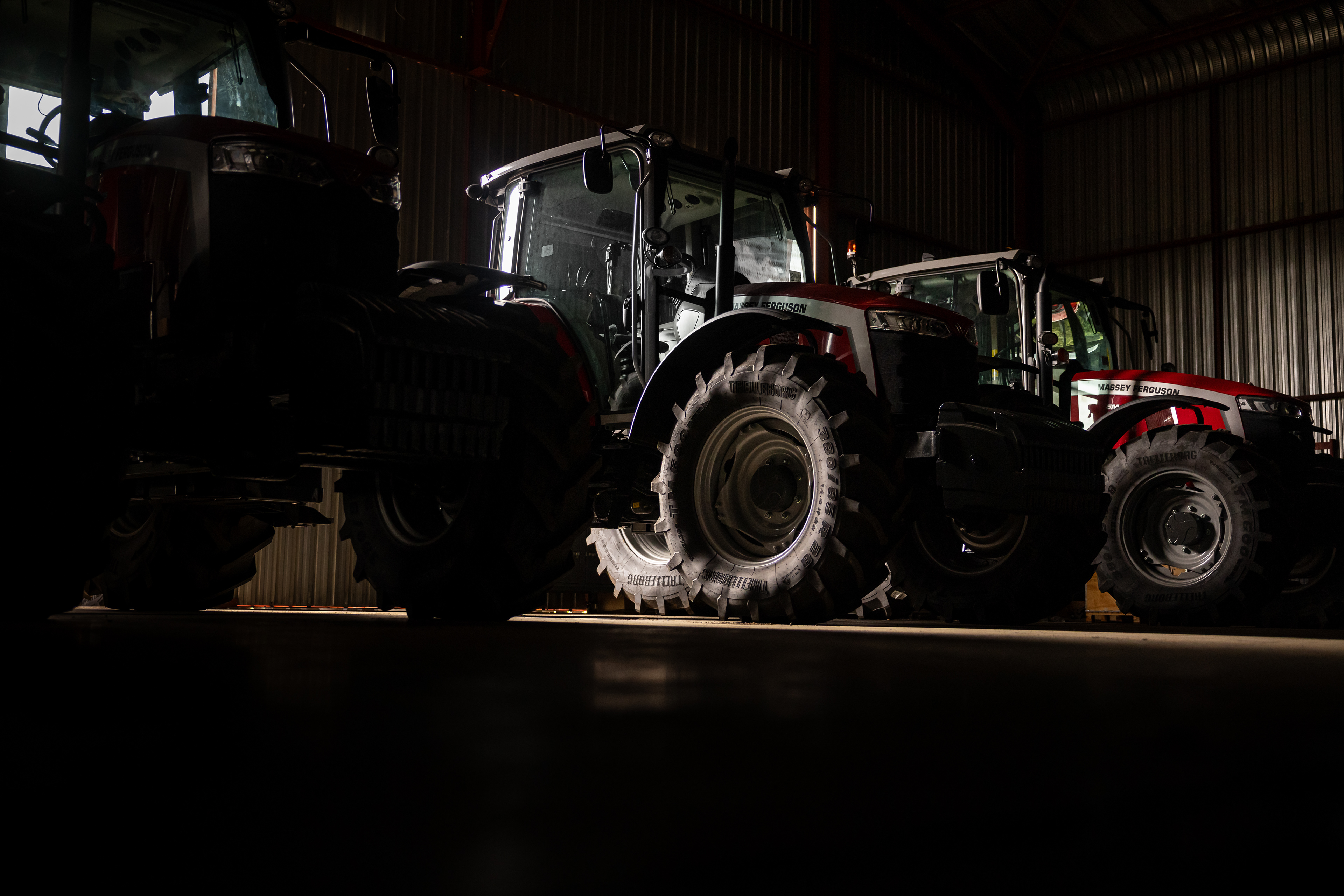
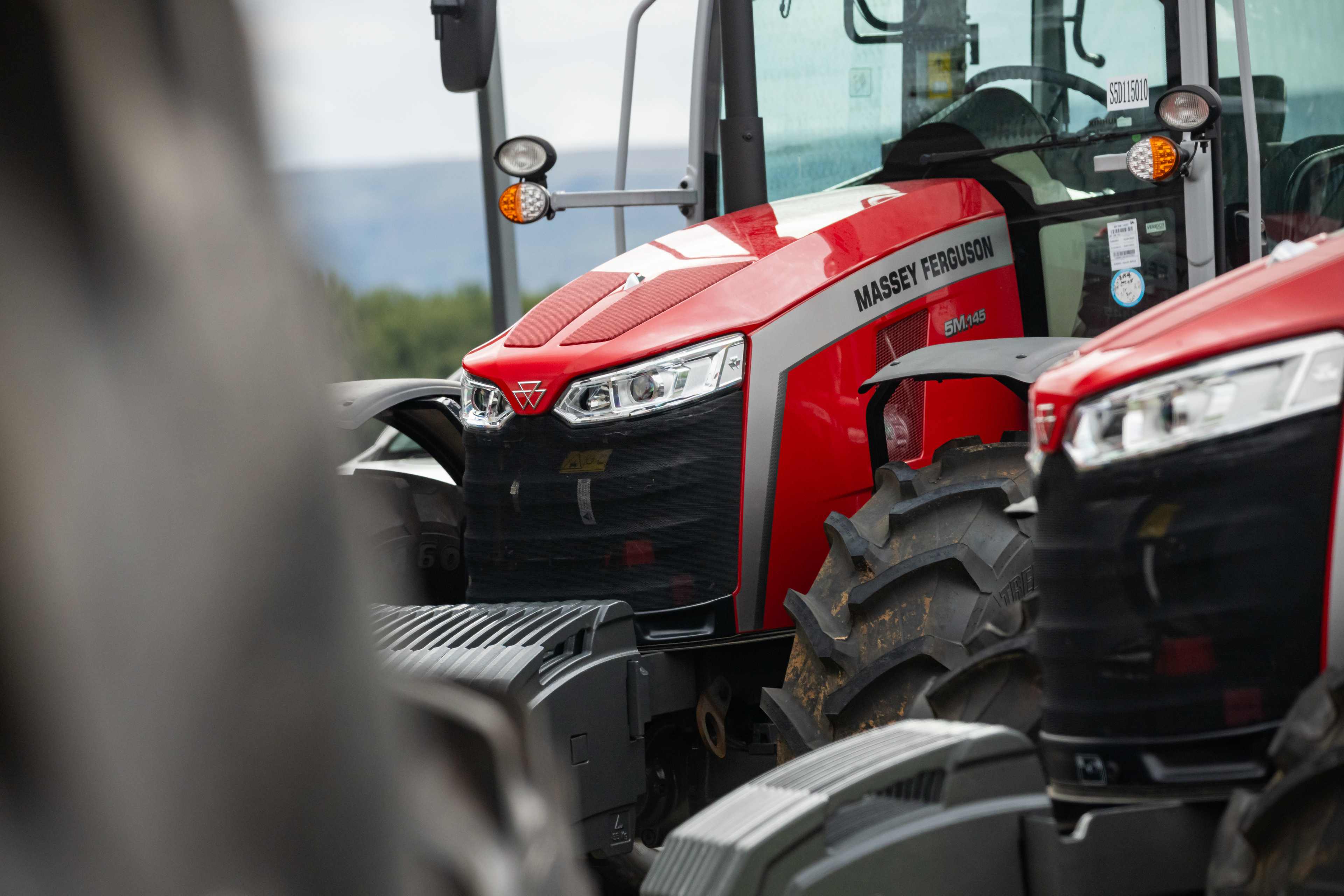
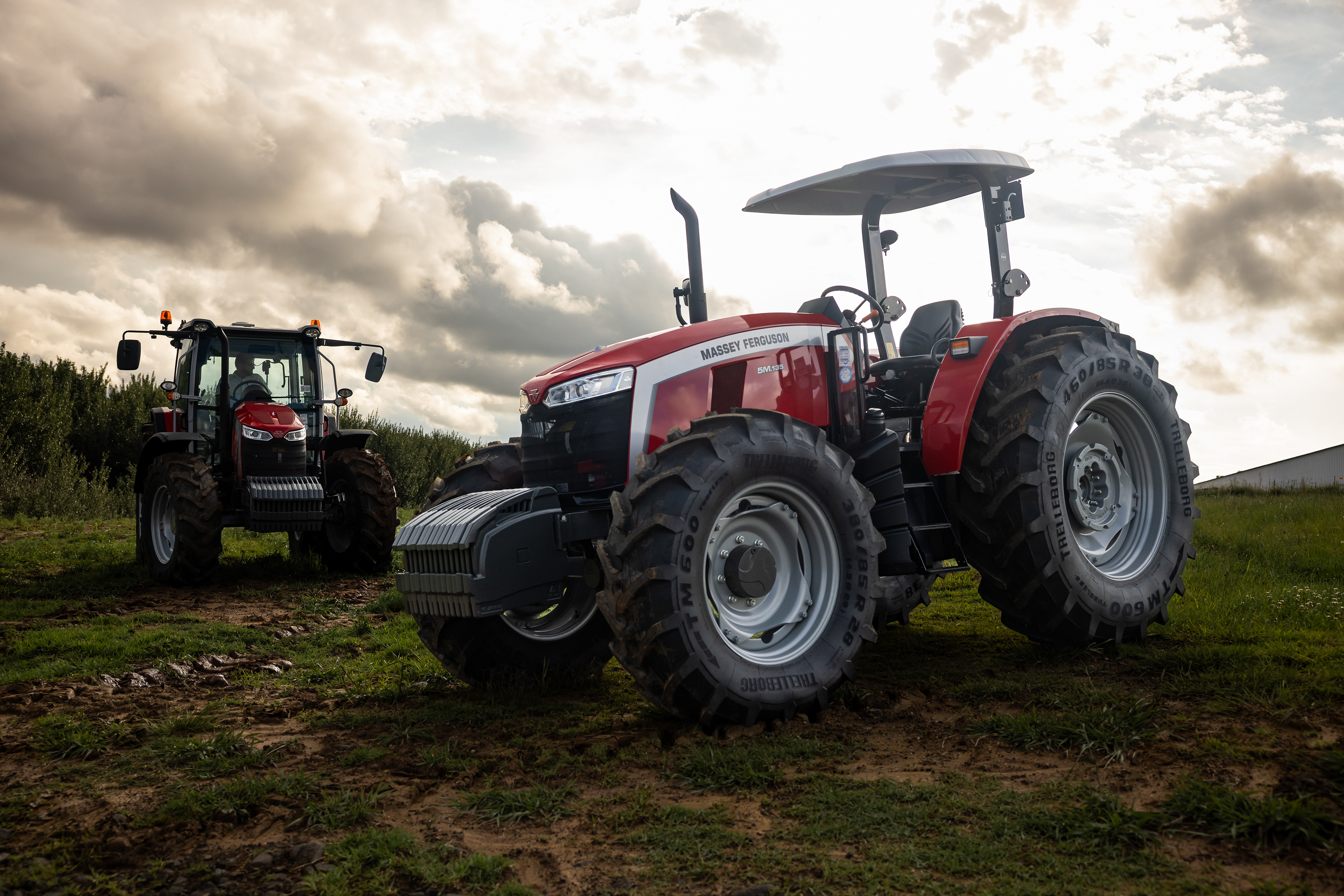
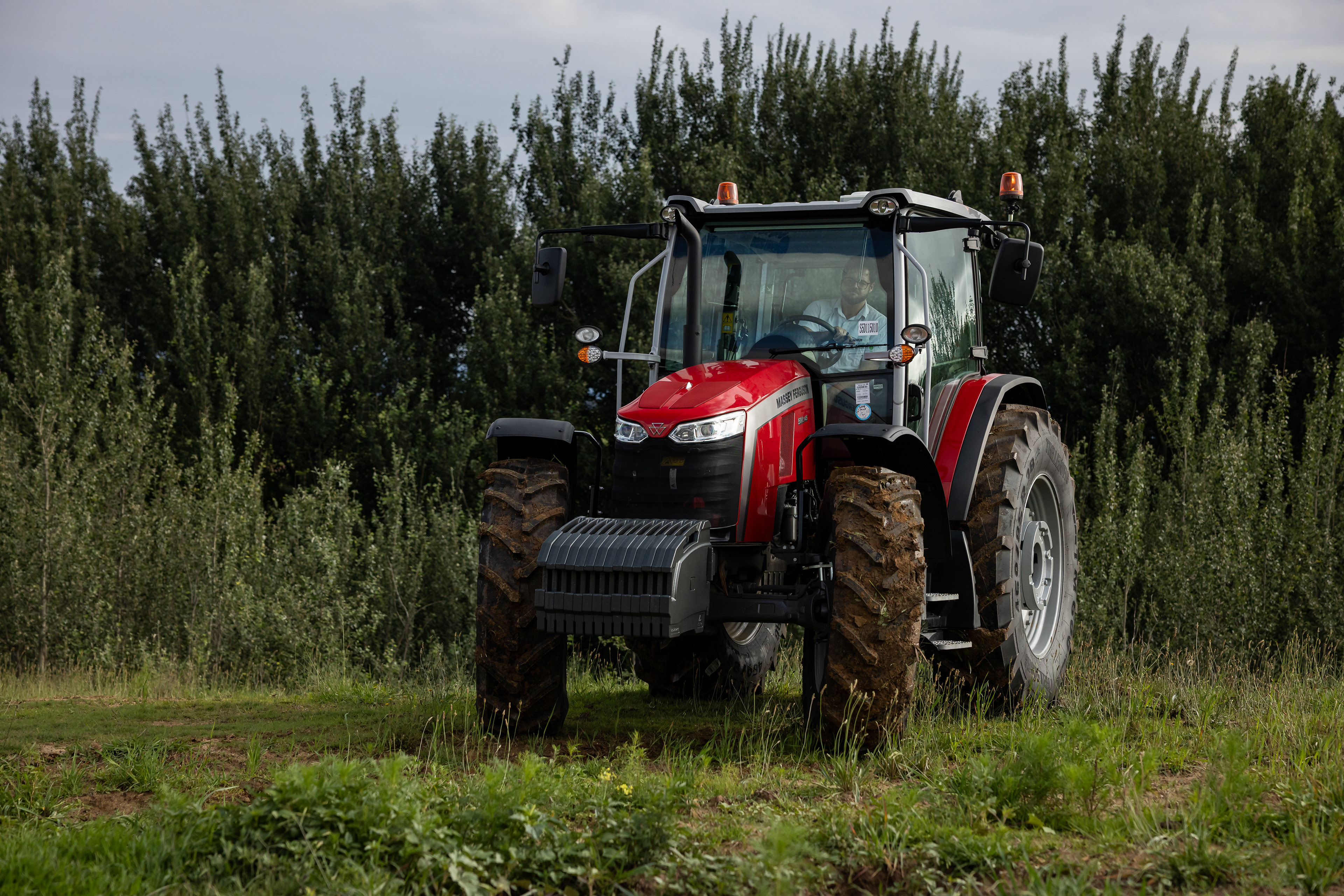
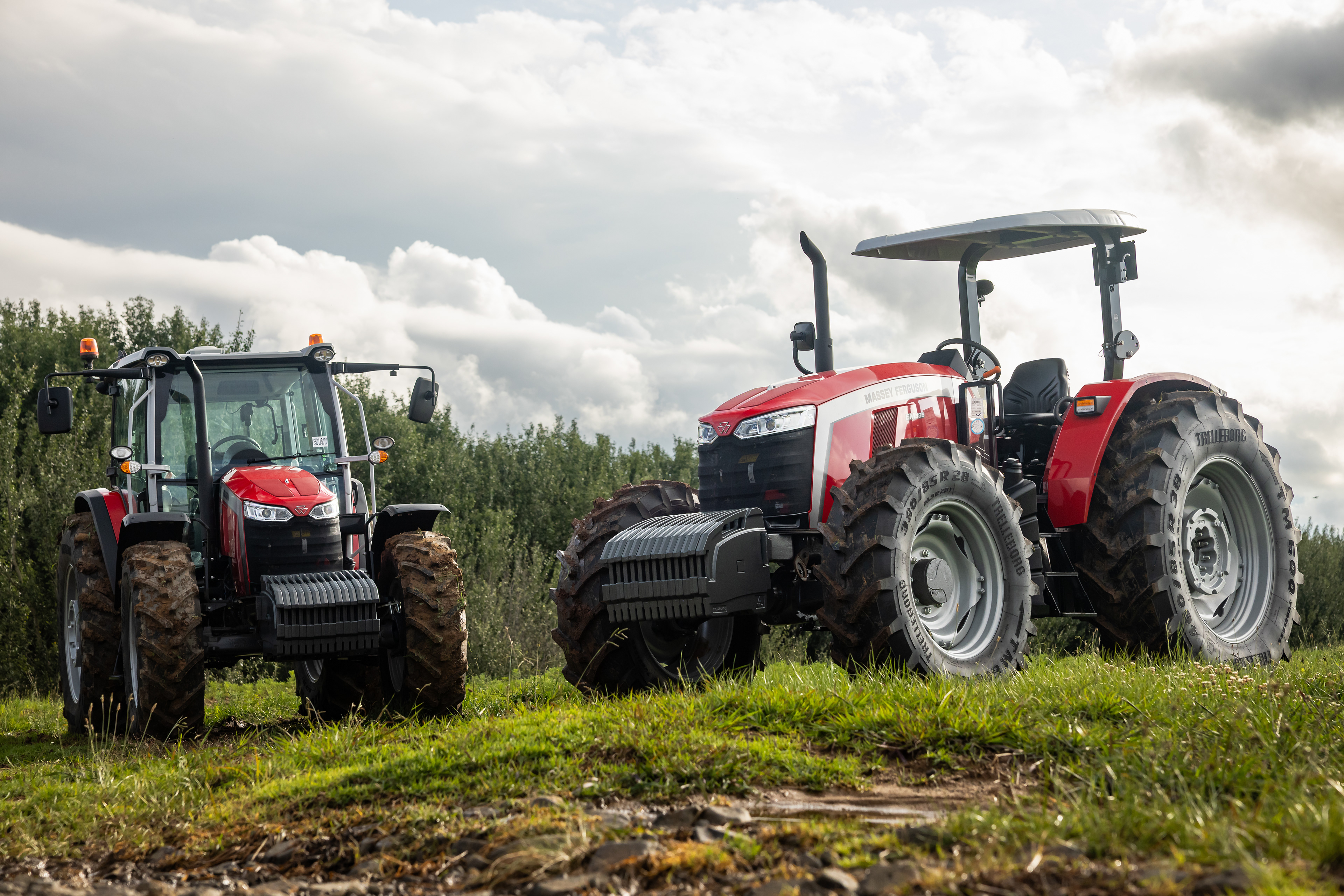
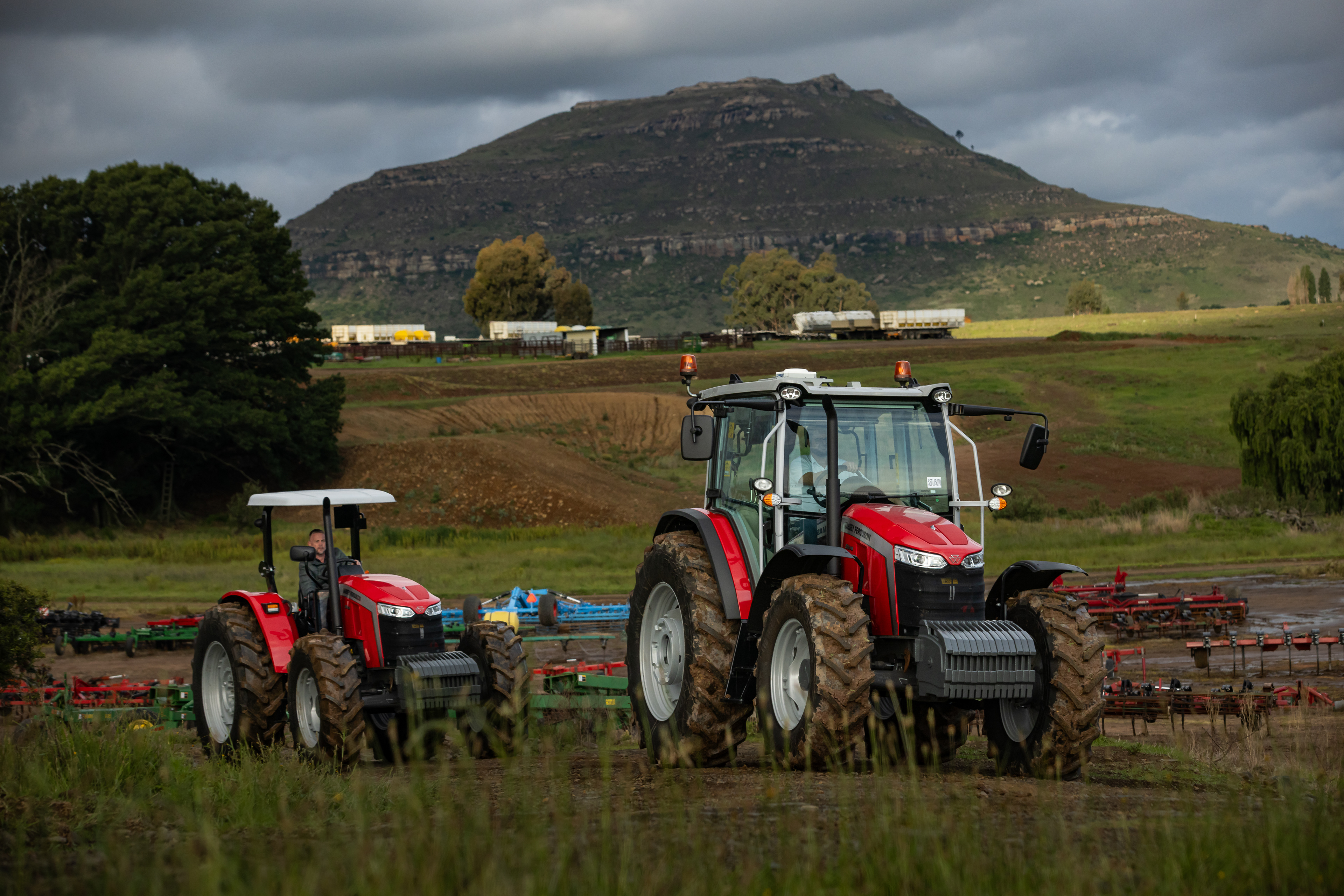
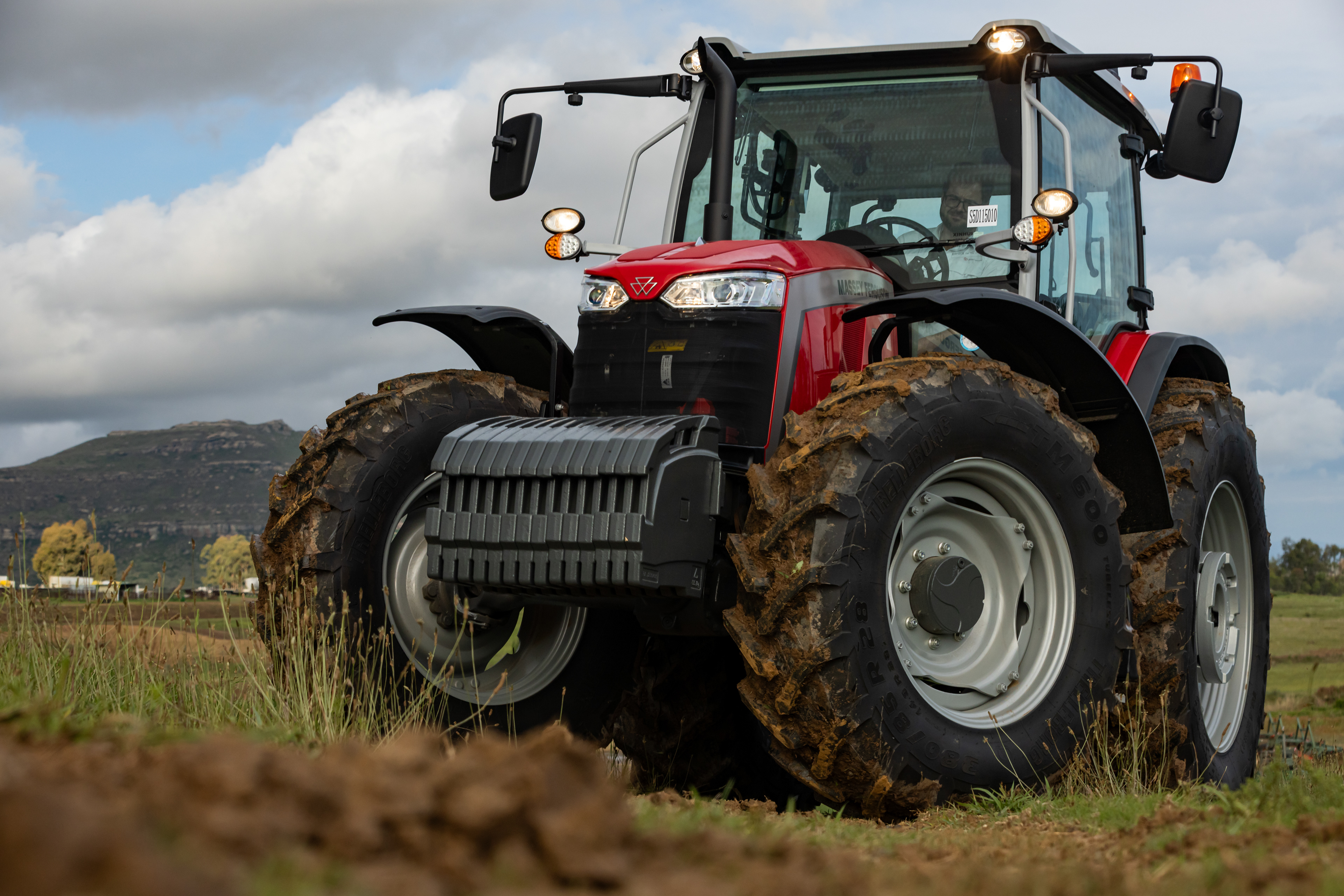
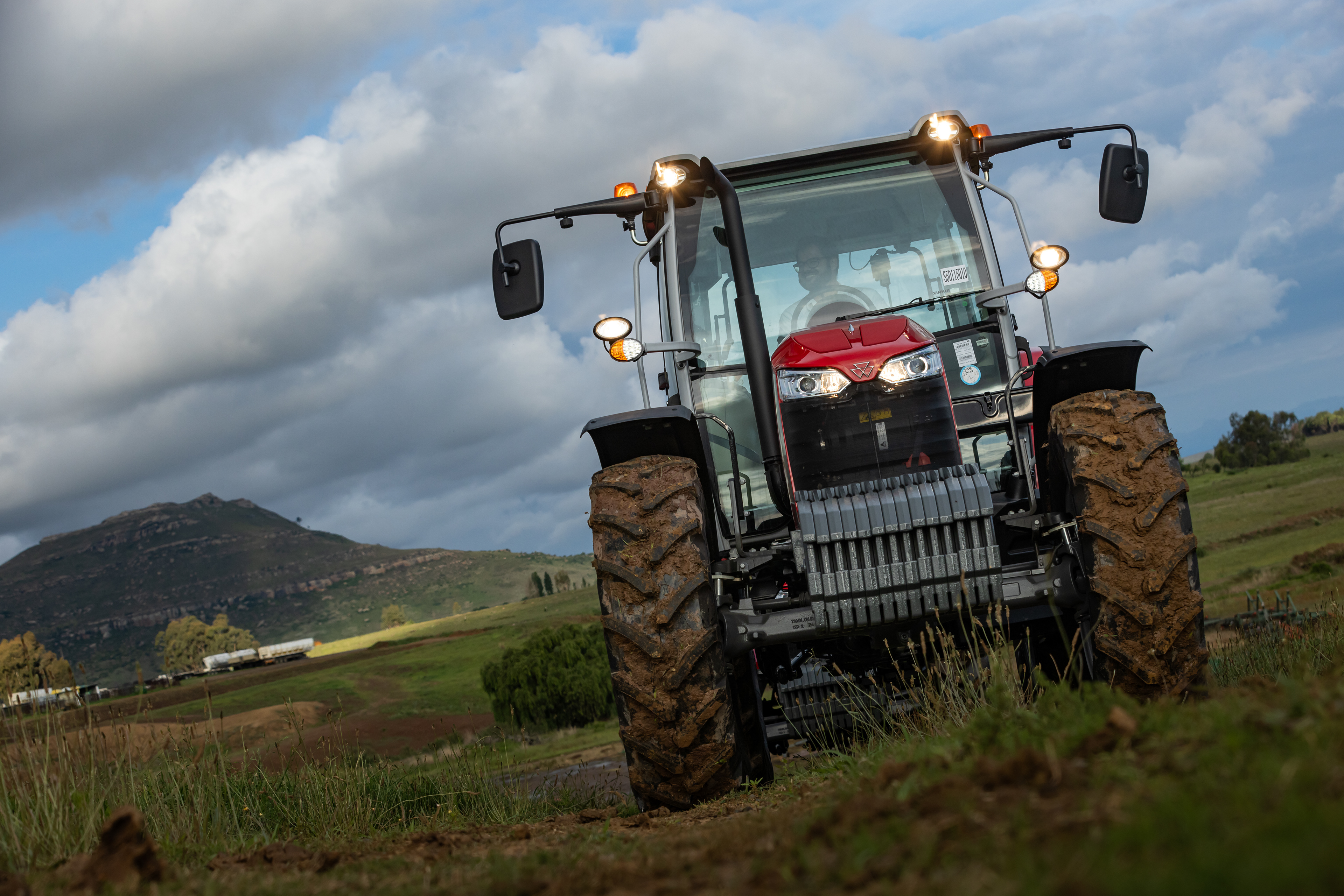
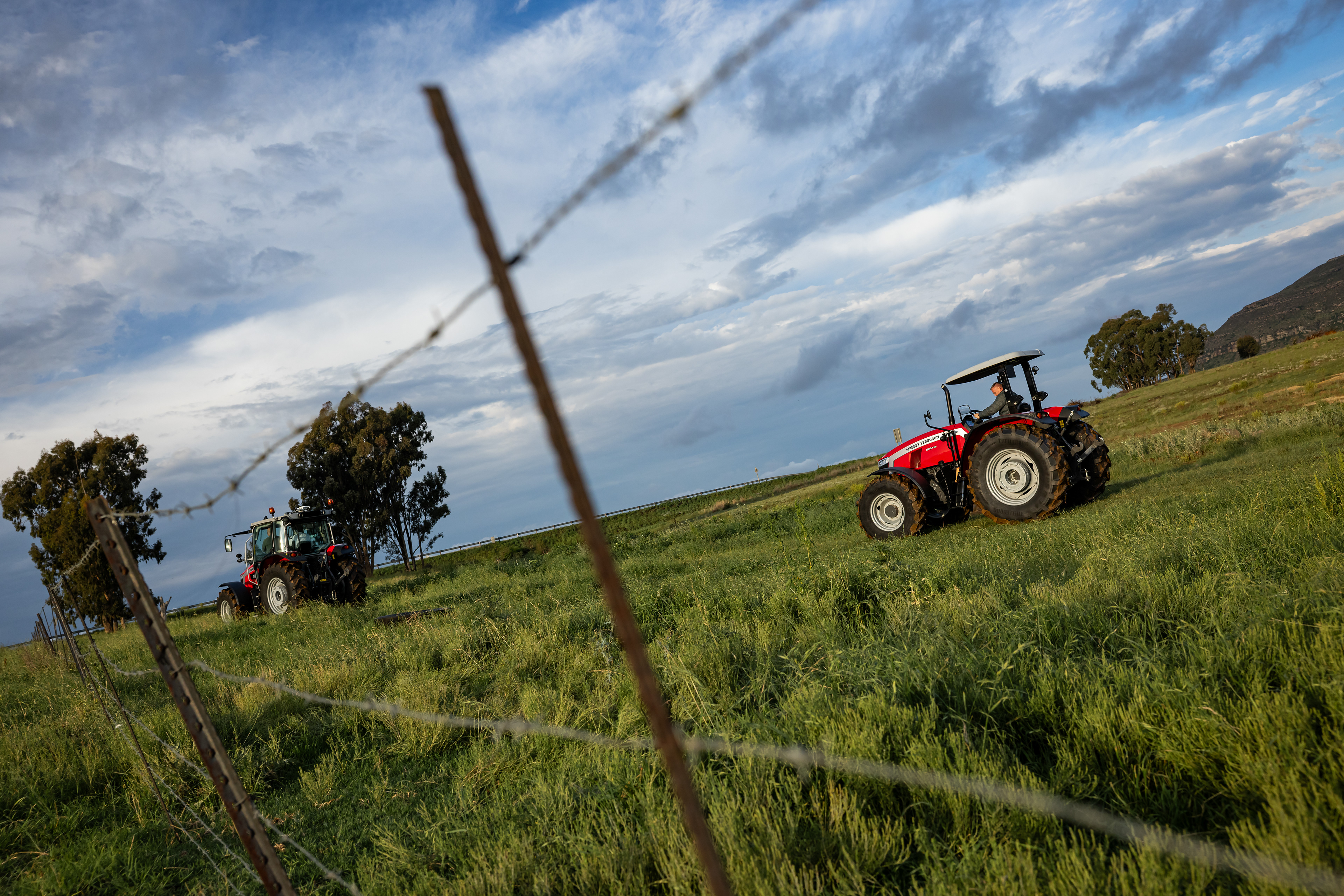
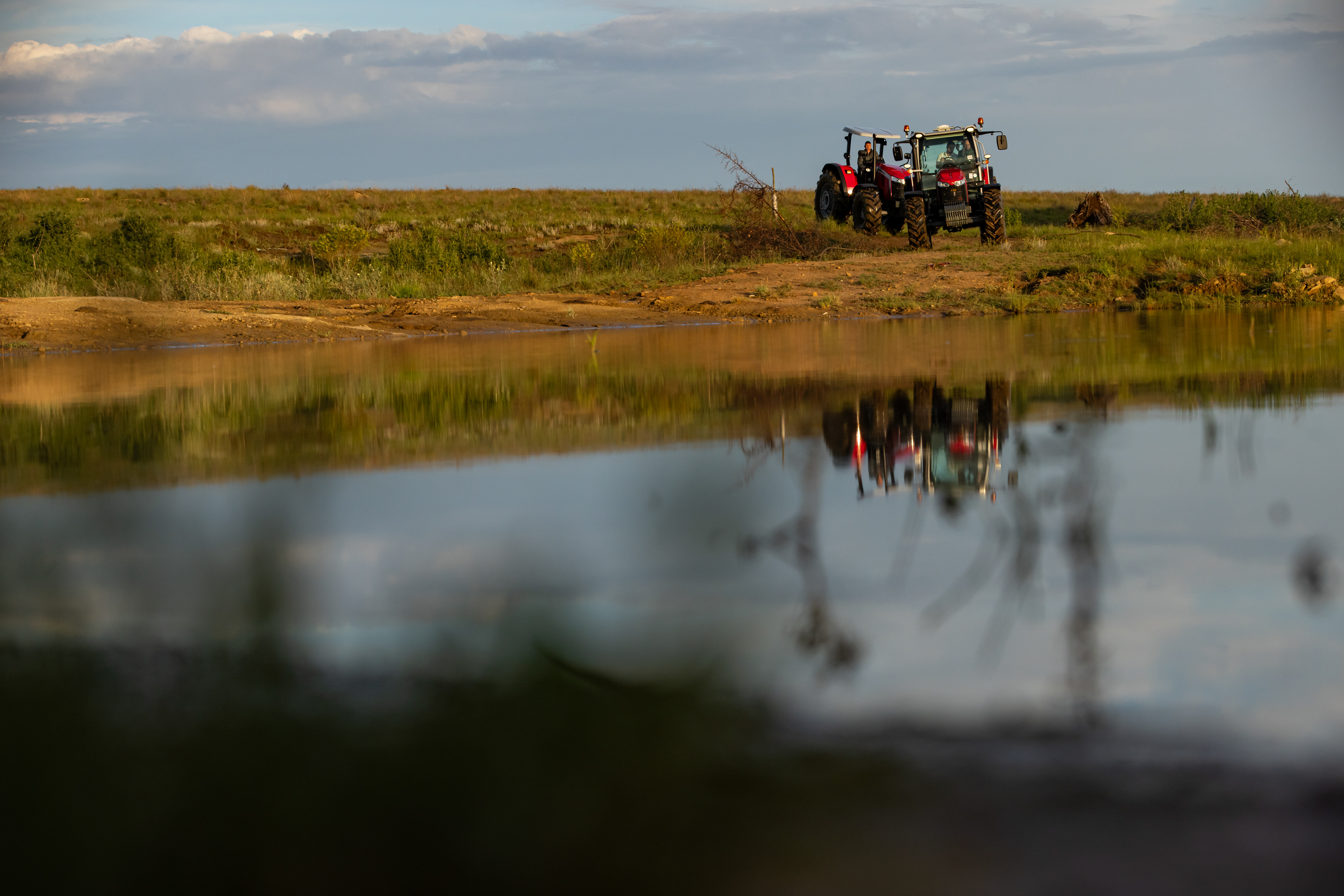
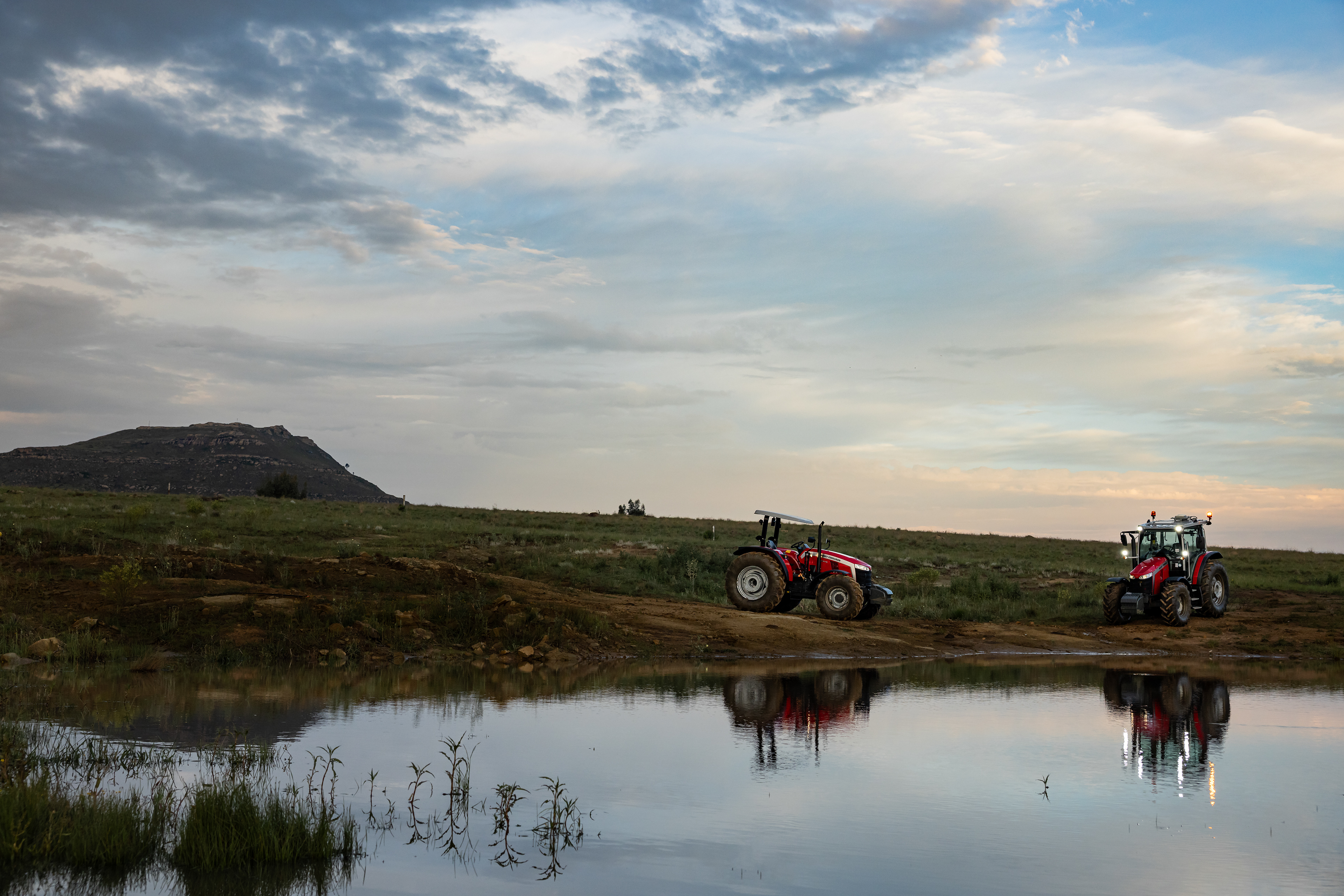
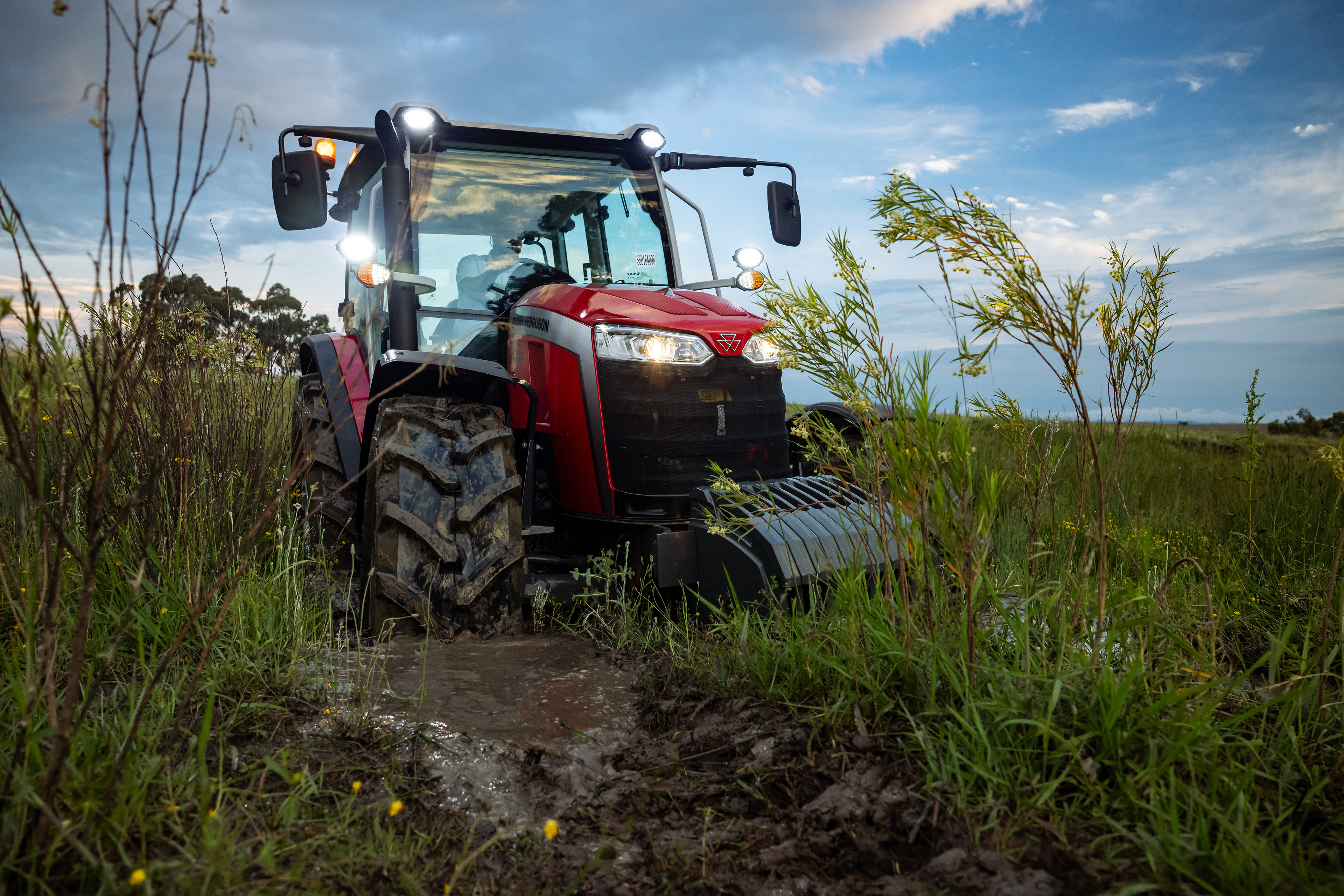
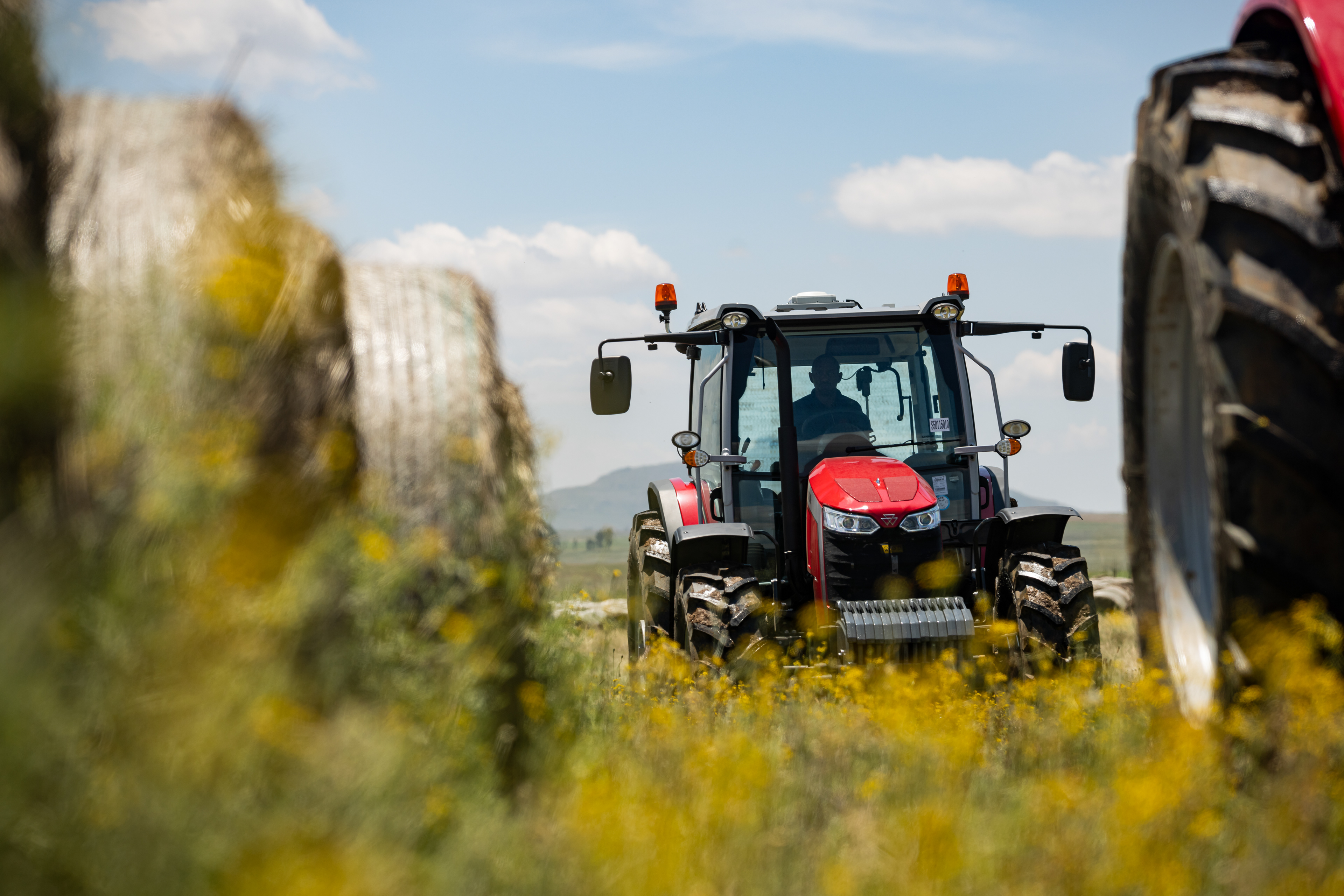
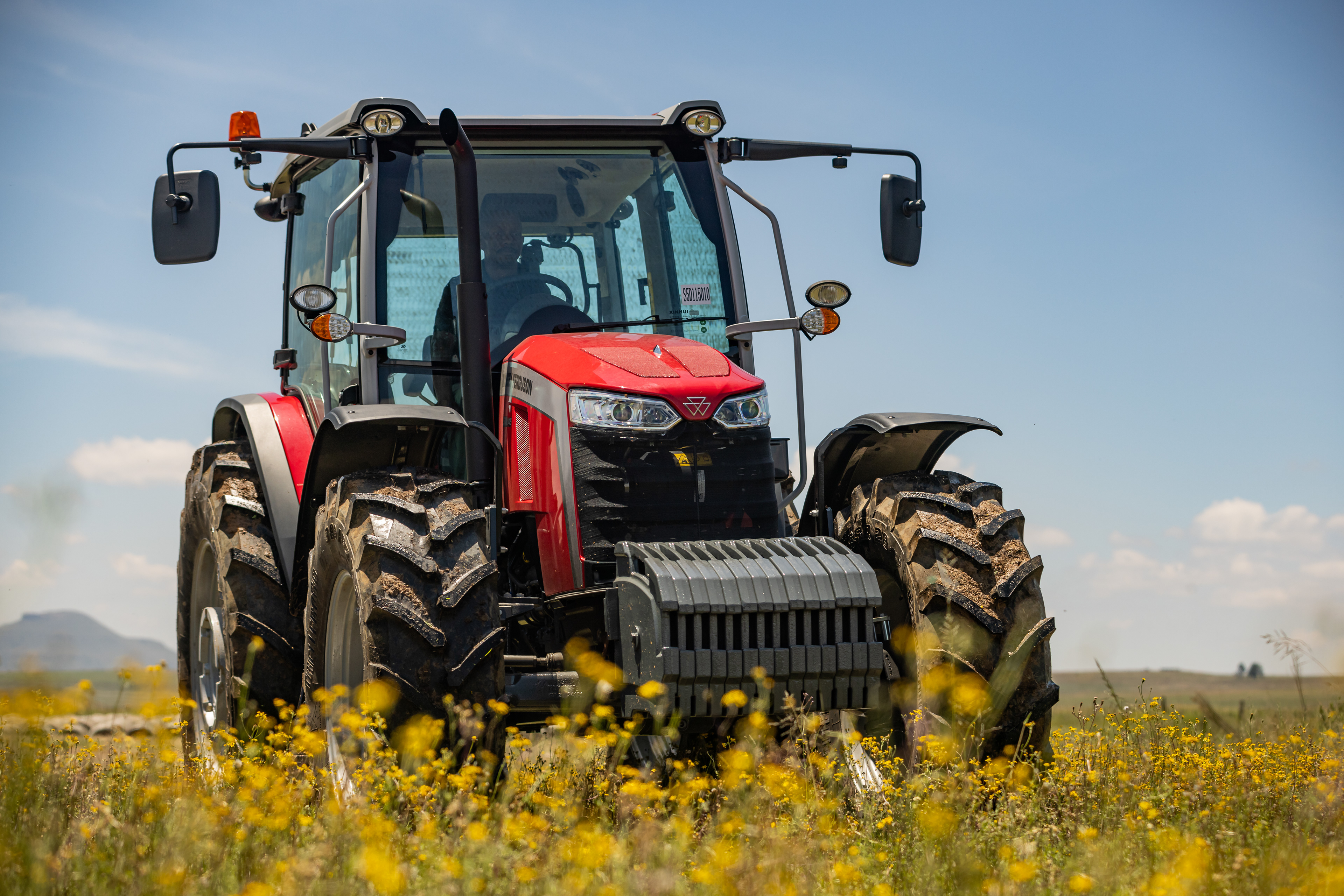
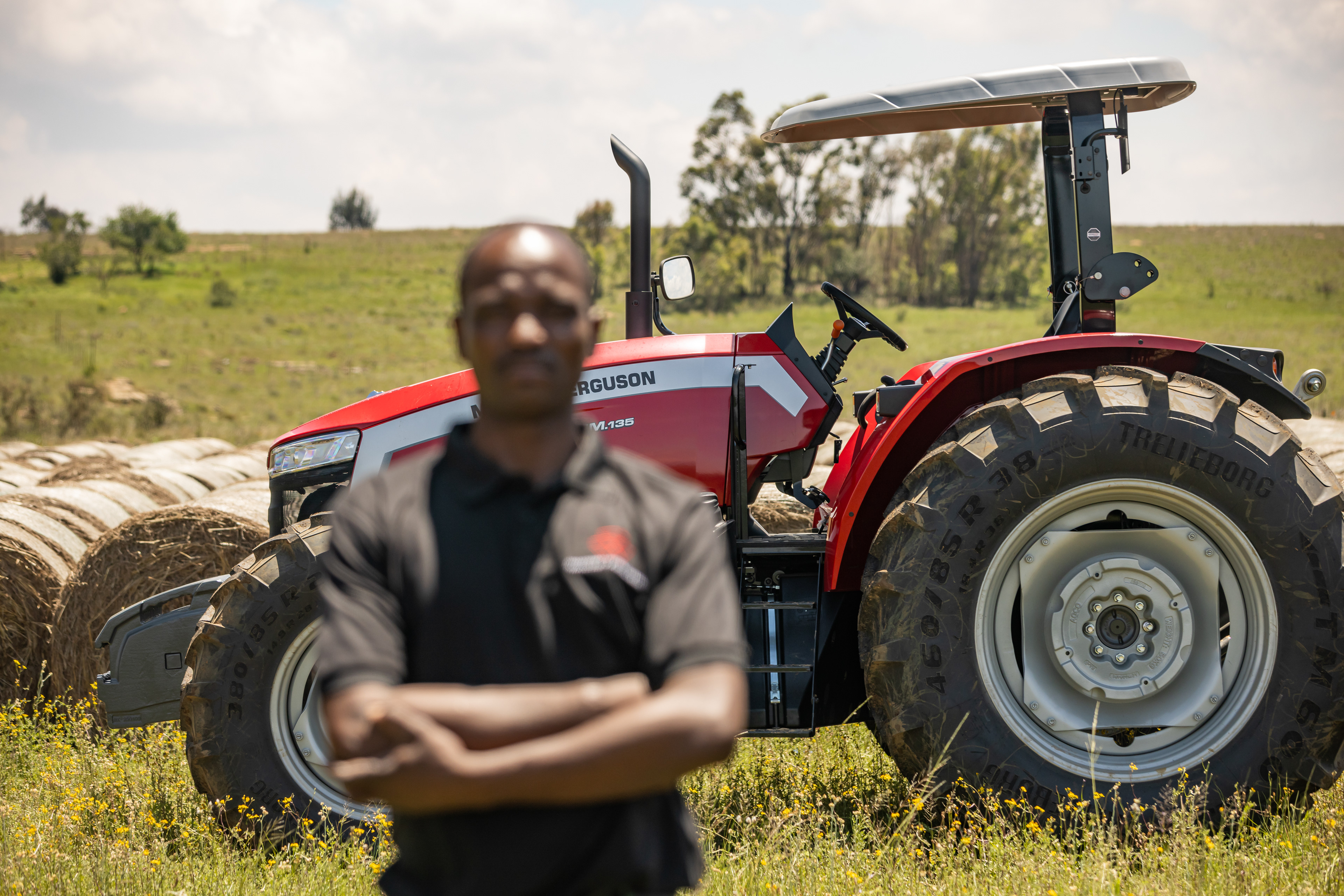
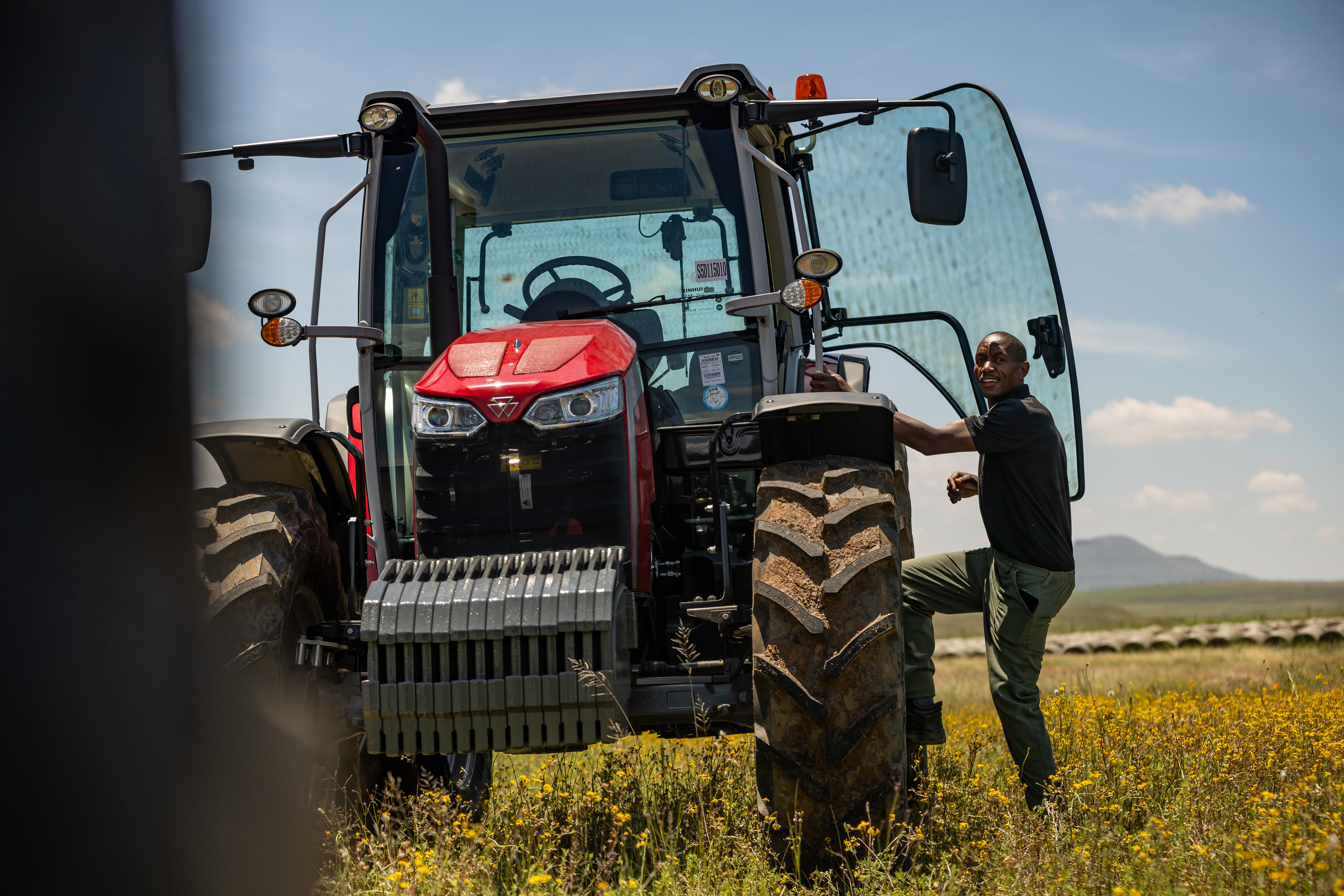
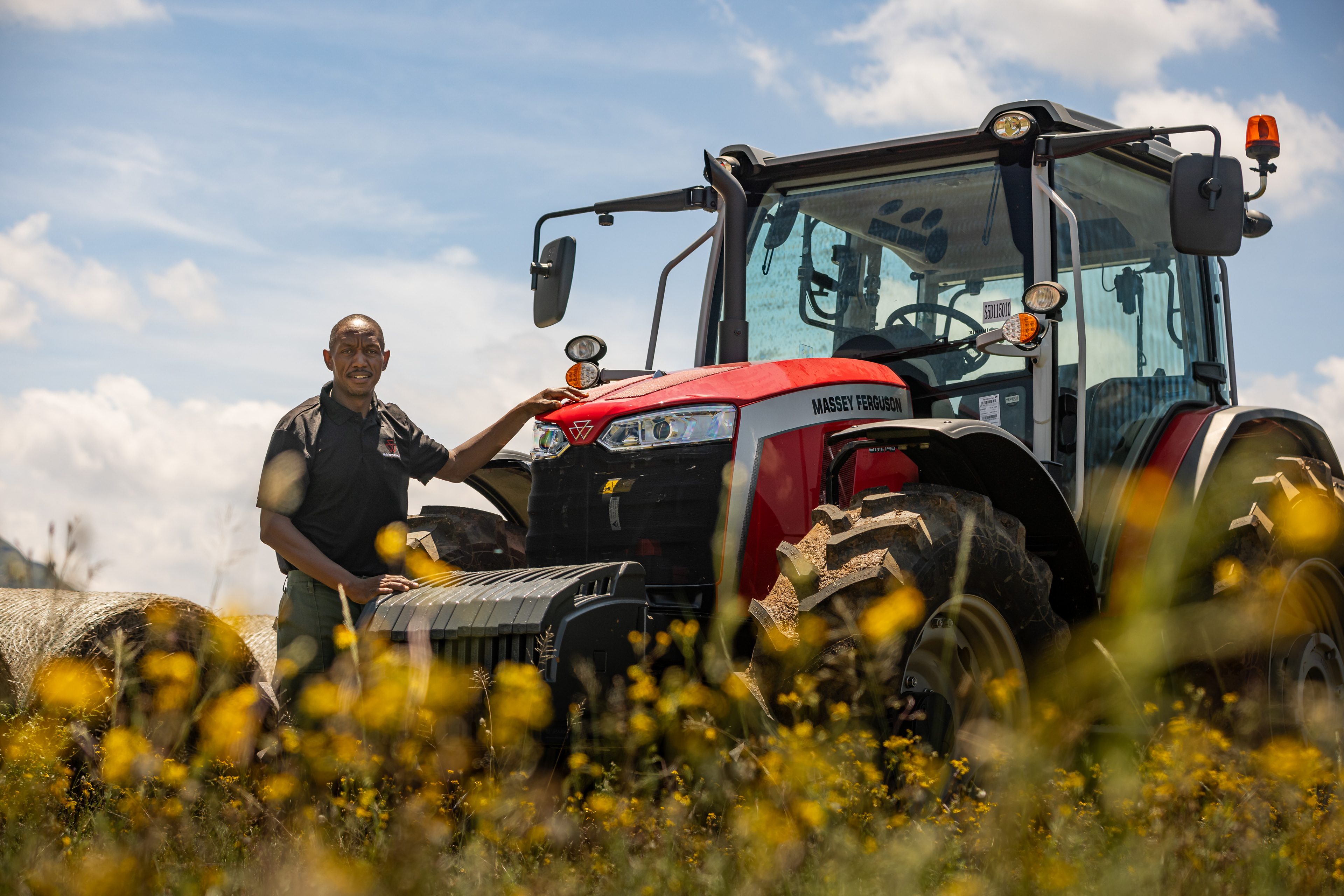
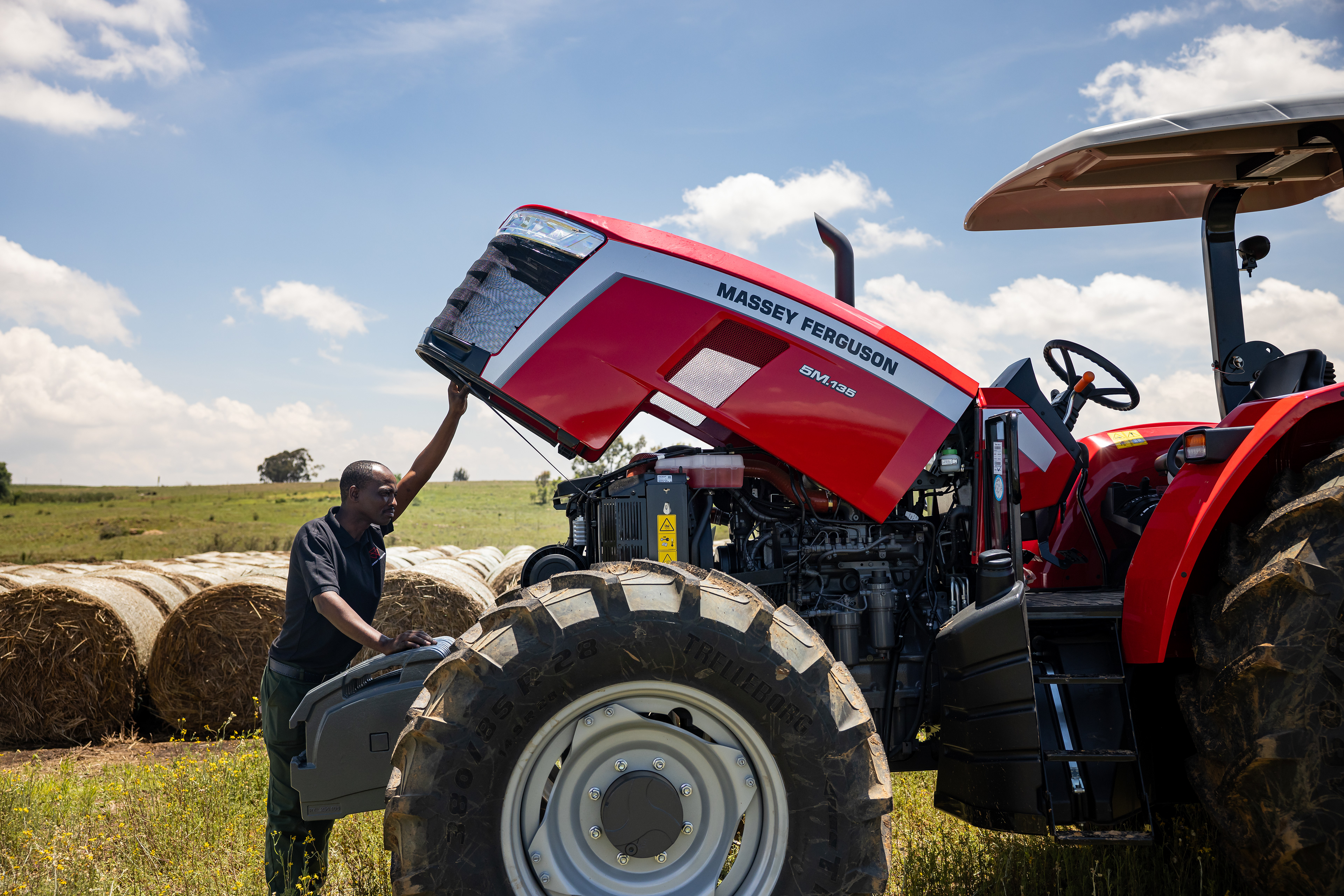
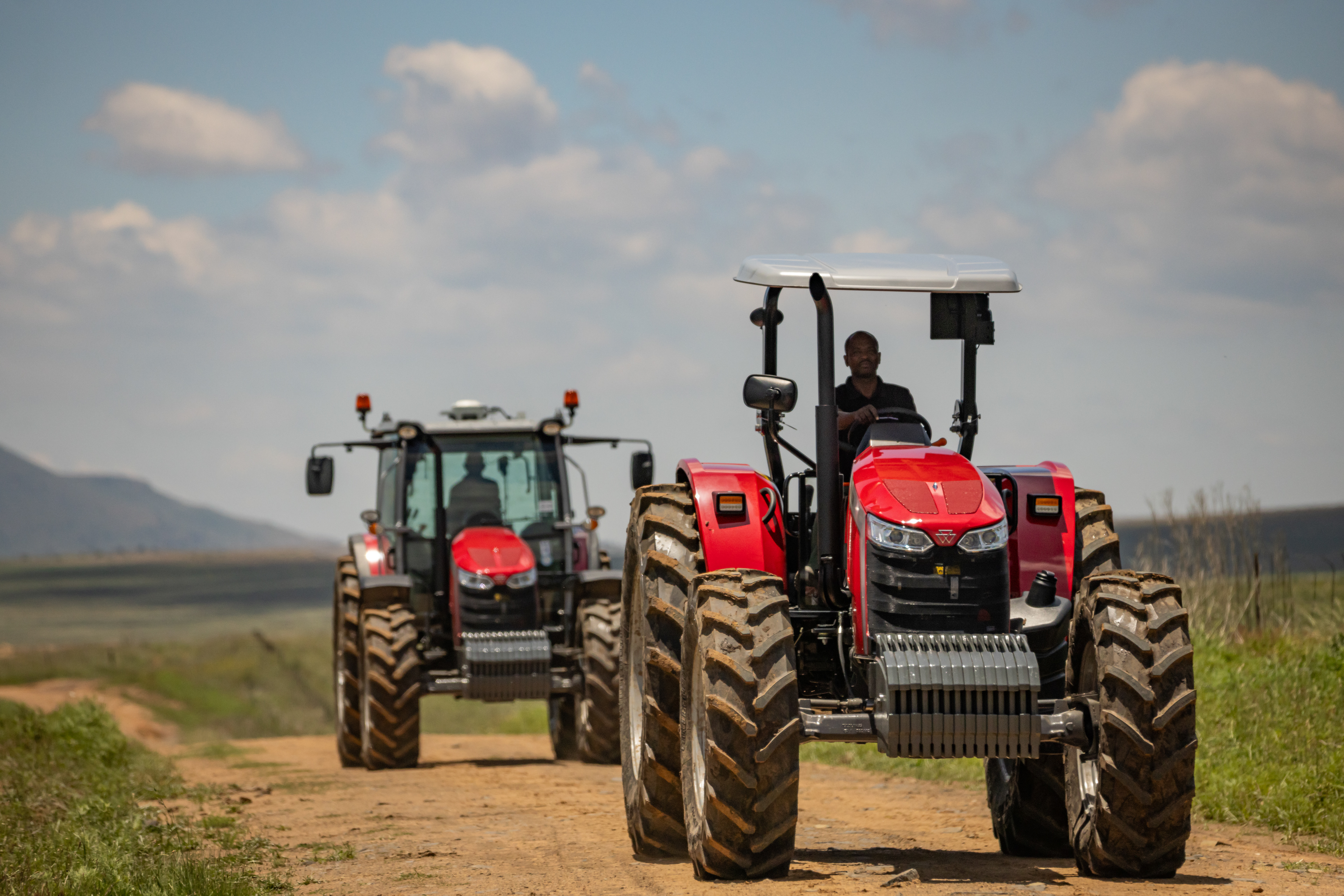
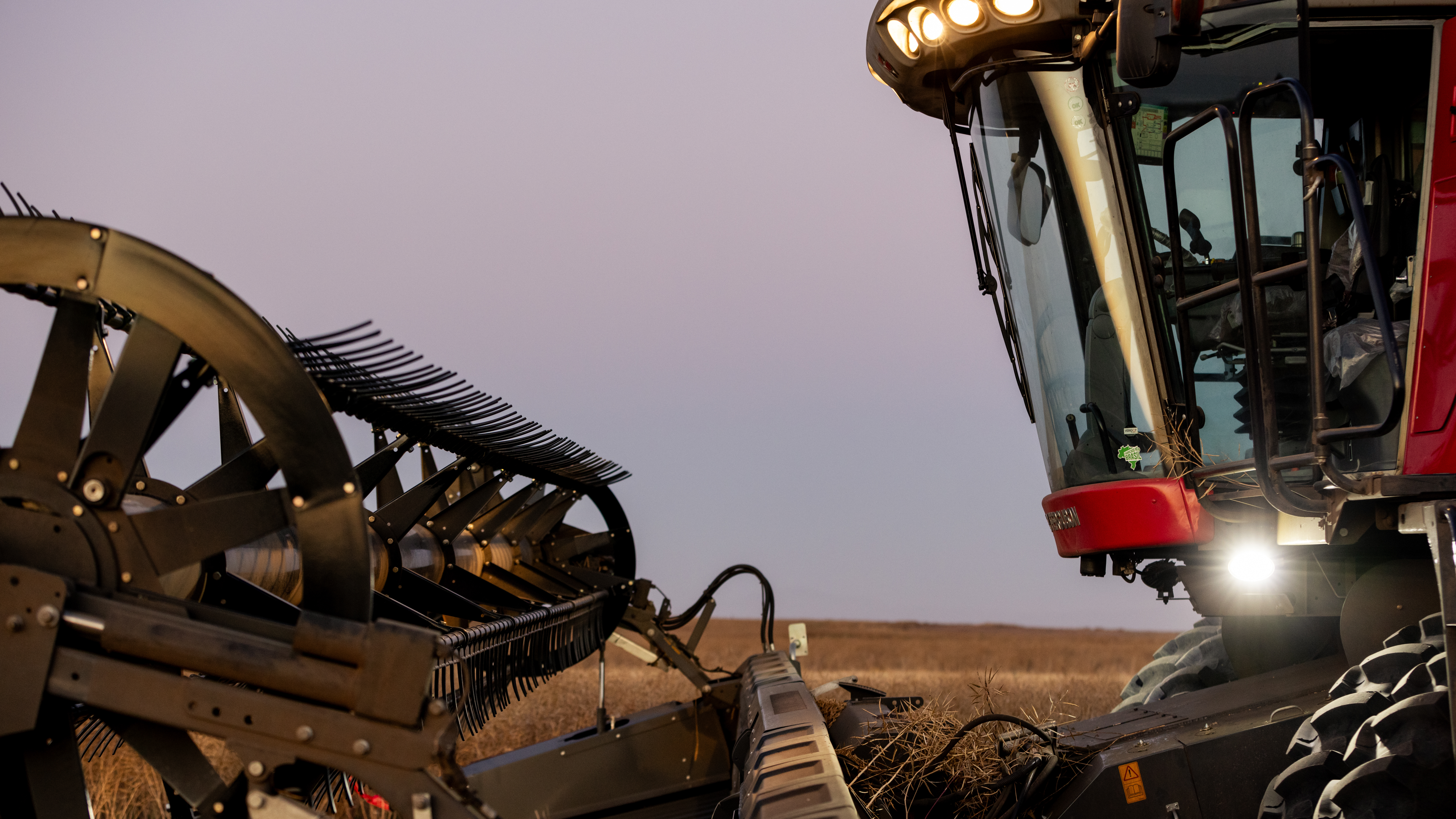
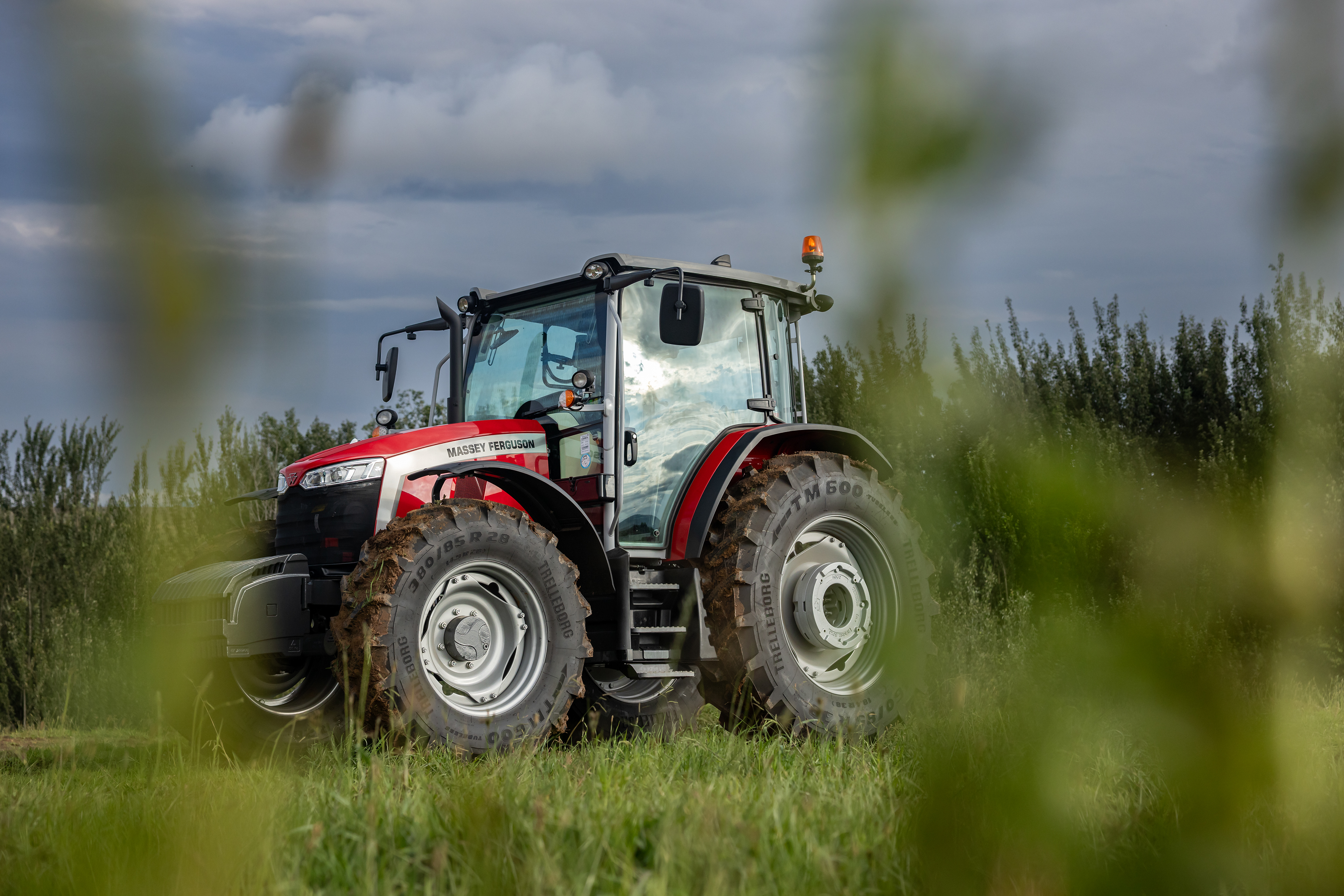
There’s a different kind of pressure when you’re not just shooting a machine, but a moment. The launch of the new Massey Ferguson 5M in Africa wasn’t about a stage, lights, or a perfectly controlled reveal. It was about putting the tractor where it belongs from the start, in the field, in the dust, in the hands of the people who will actually use it. And from behind the camera, that changes everything.
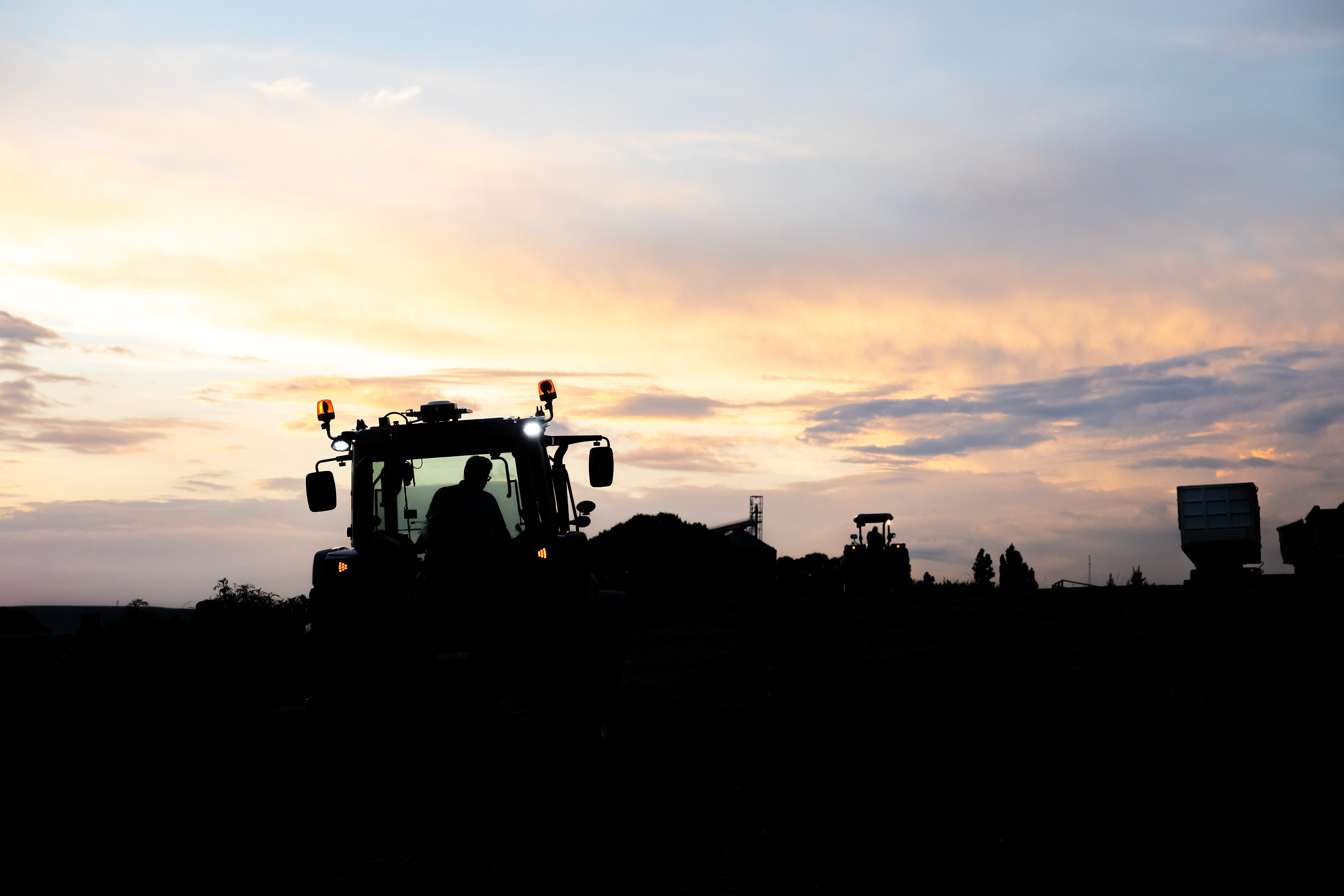
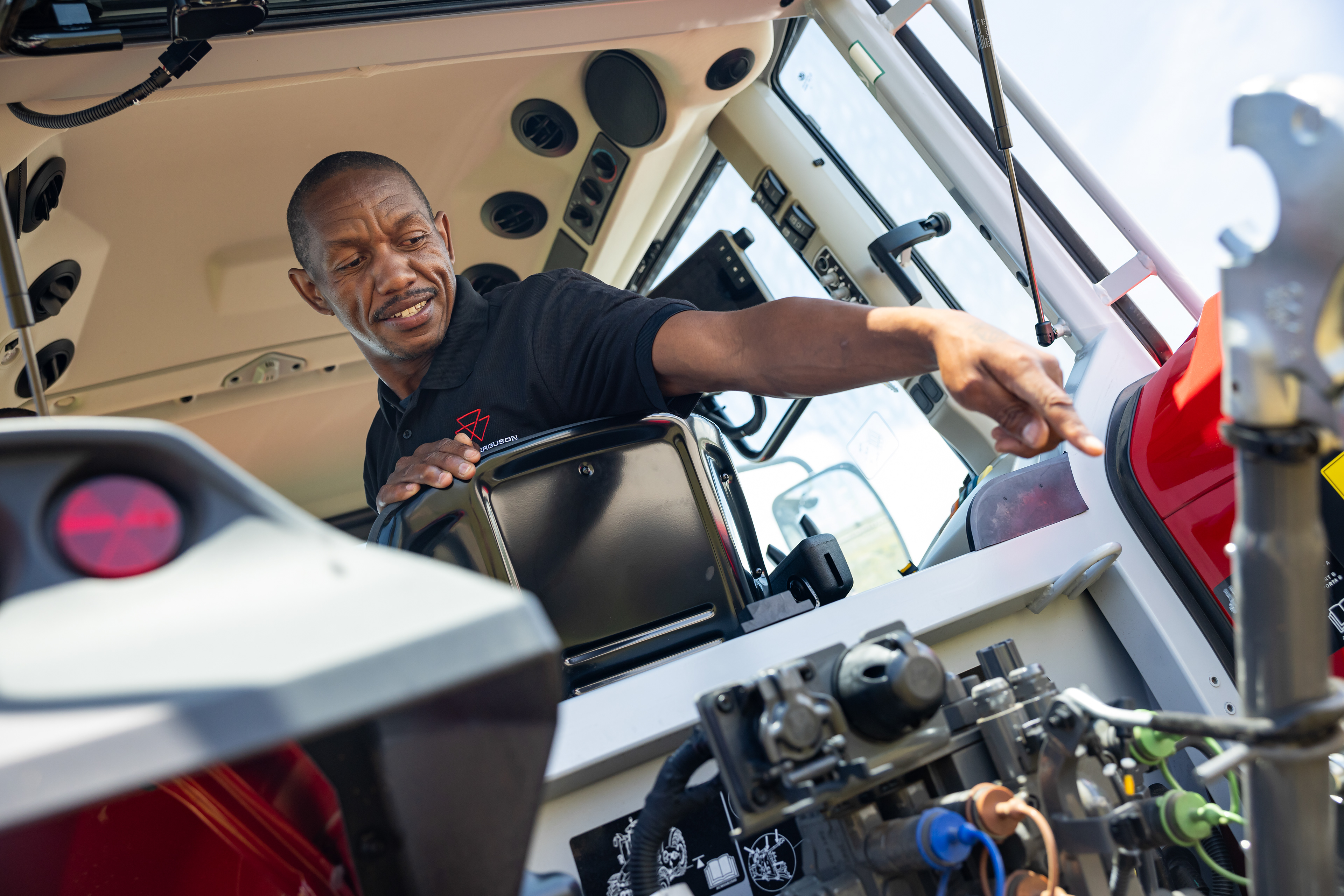
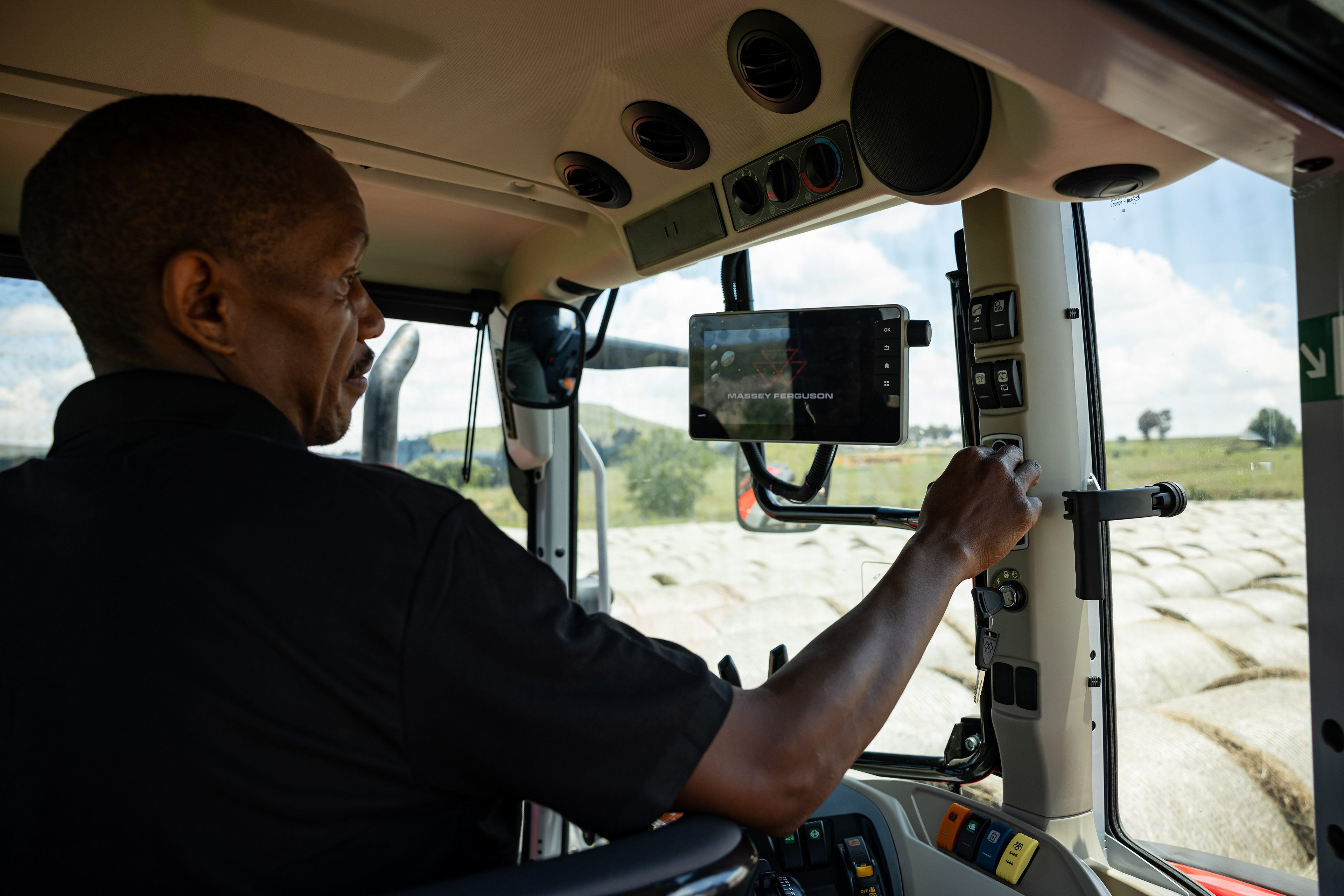
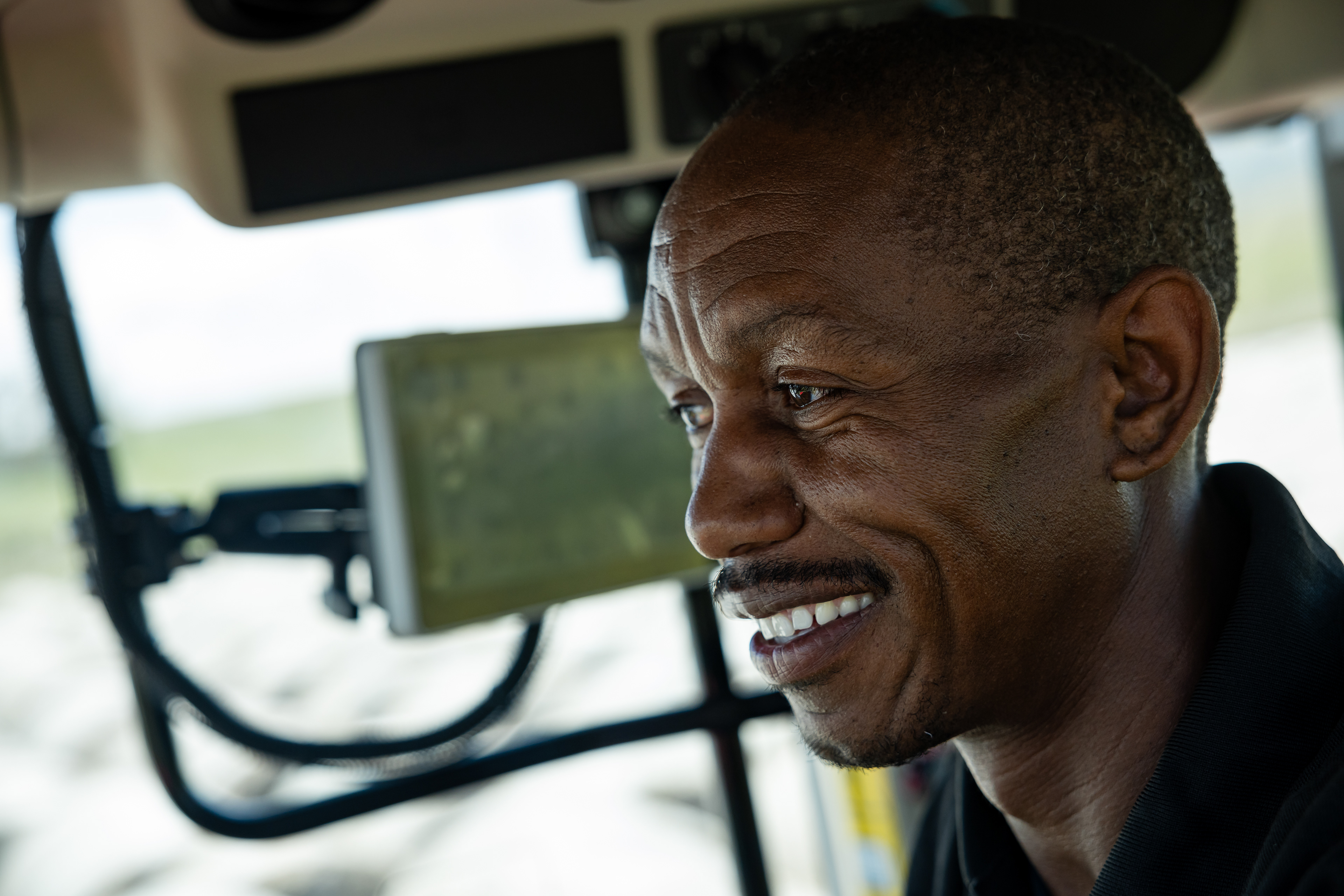
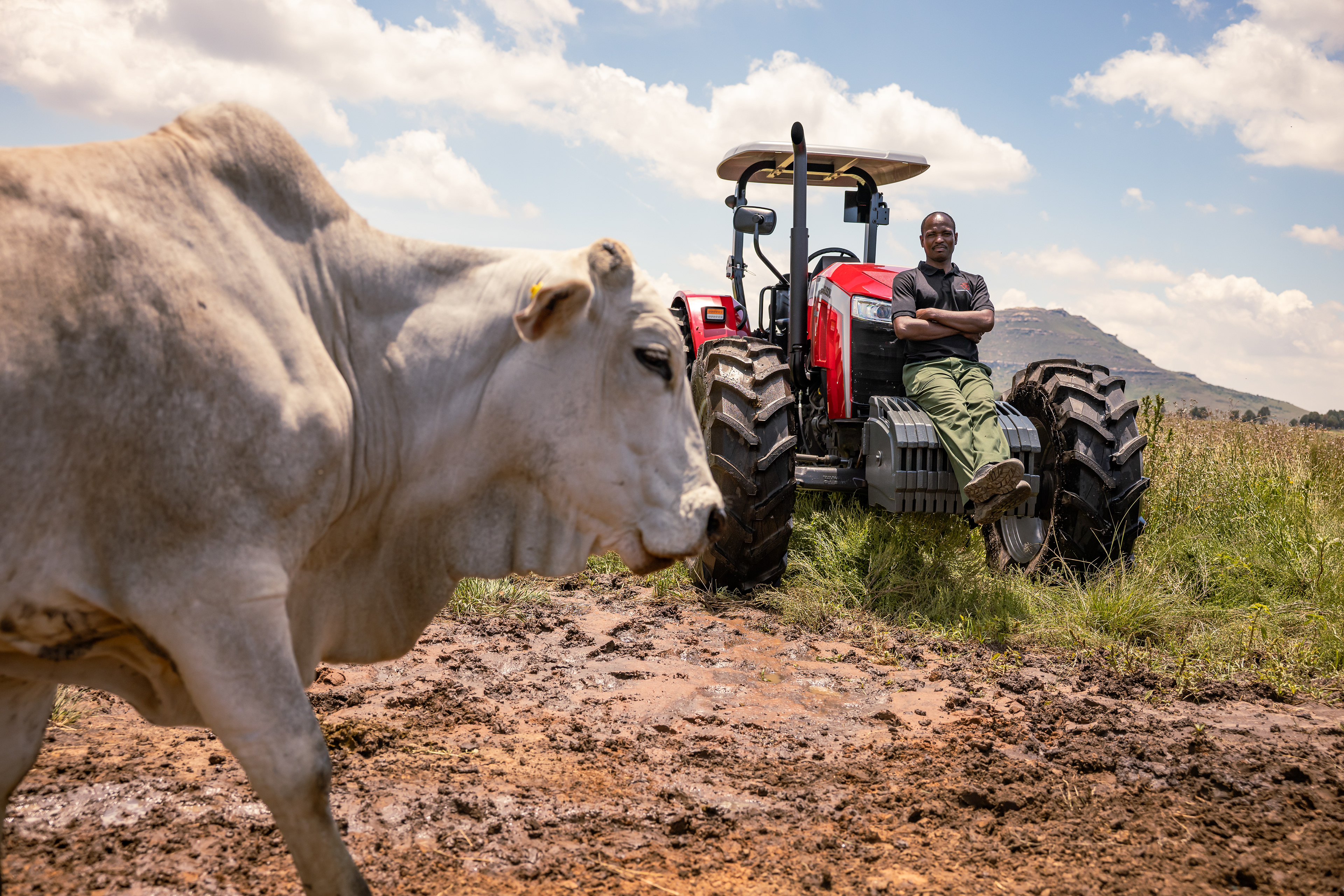
You arrive knowing this isn’t about selling a spec sheet. It’s about showing how something fits into real work. Early mornings, engines turning over before the sun properly breaks, farmers walking around the machine, looking at it the way they always do, not as a product, but as a tool that needs to prove itself. You don’t interrupt that. You follow it. You watch how they interact with it, where they pause, what they notice, what they don’t say out loud.
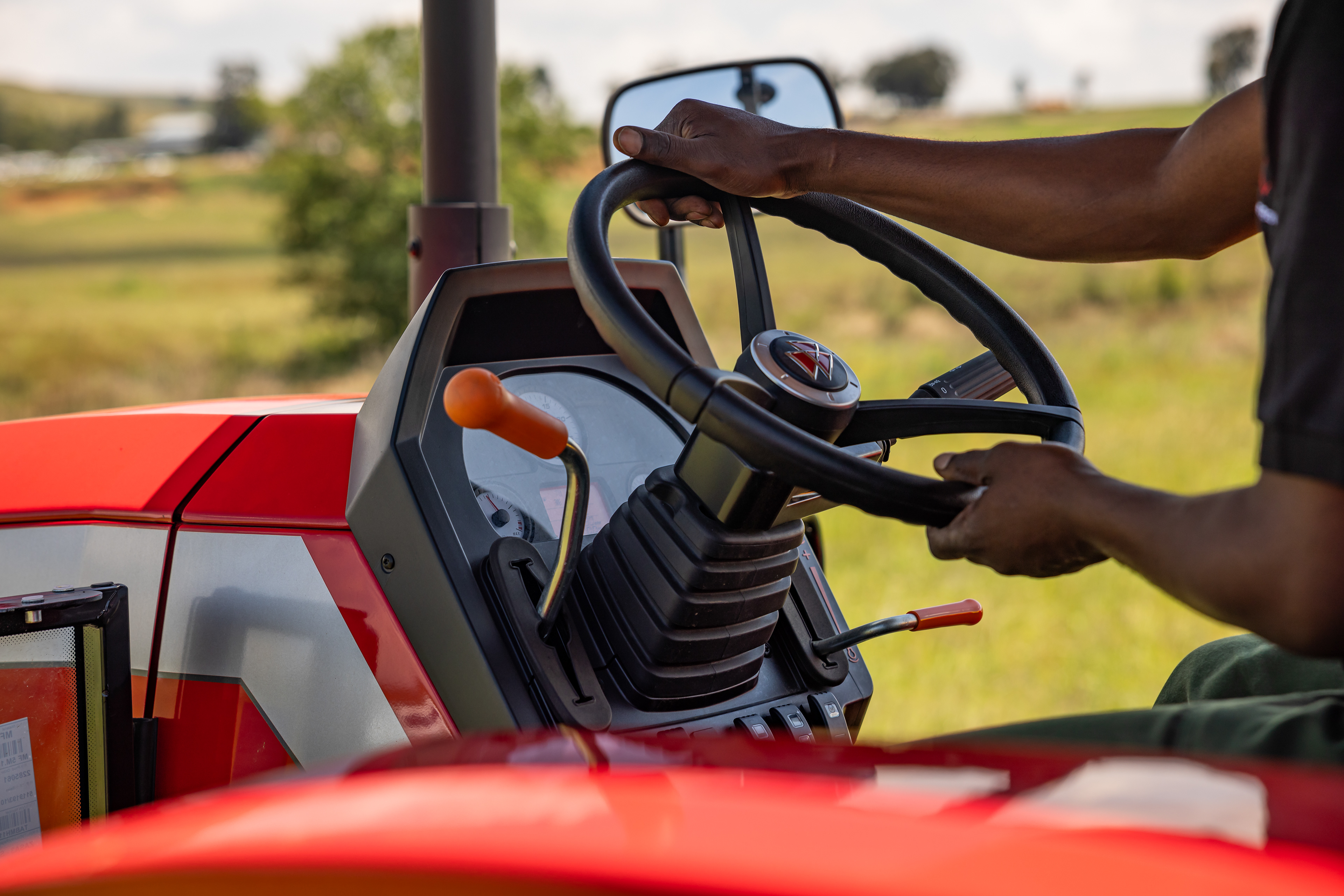
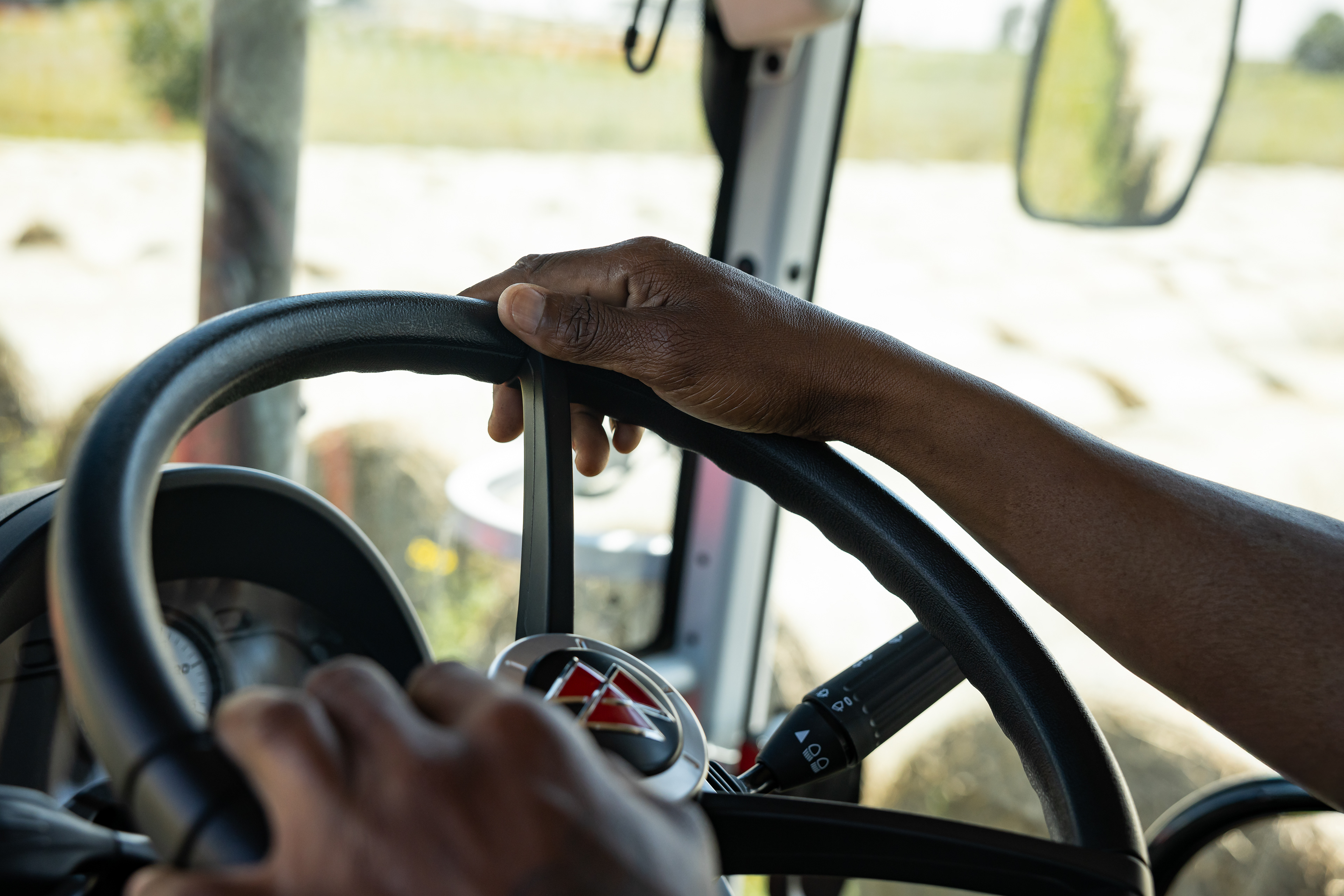
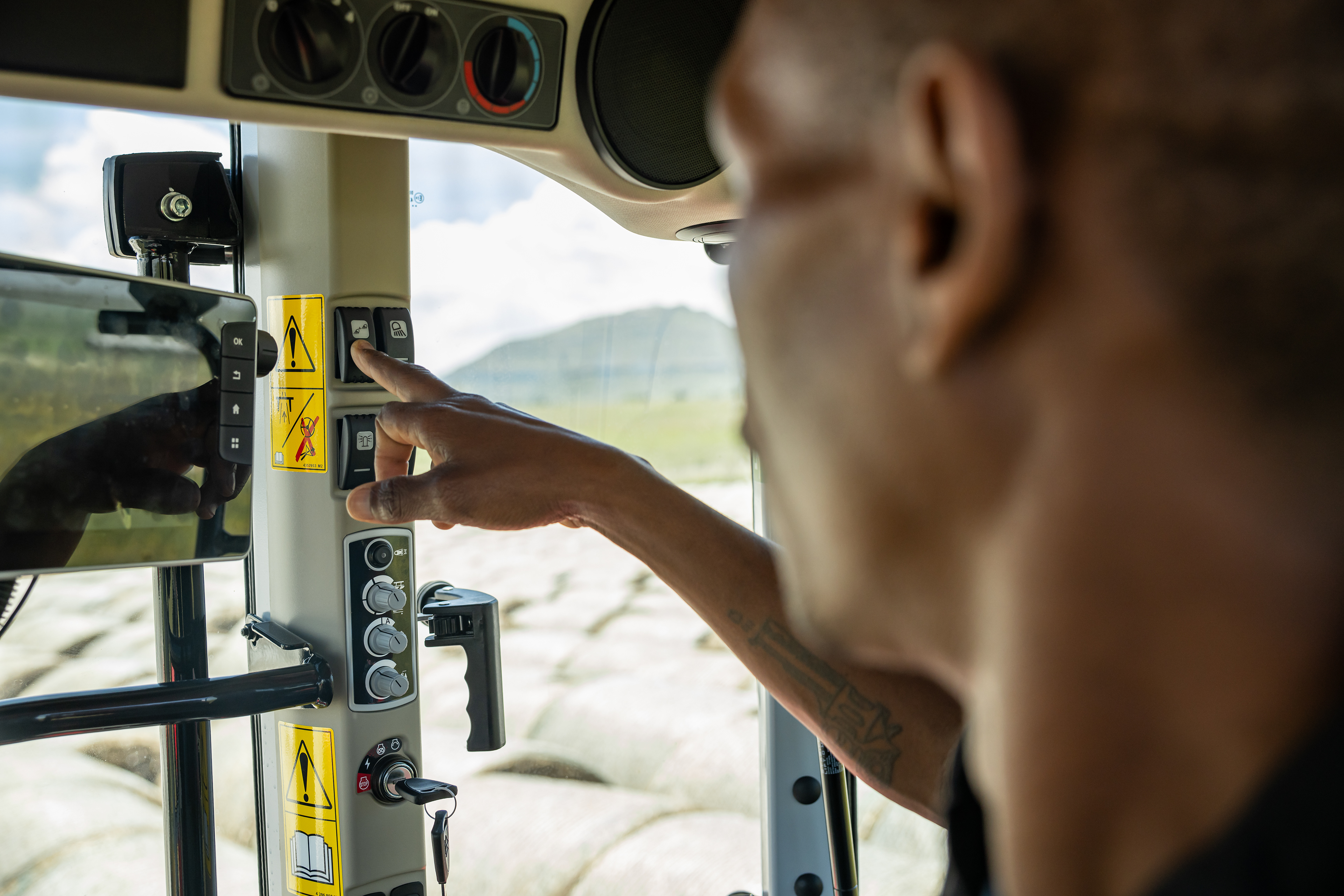
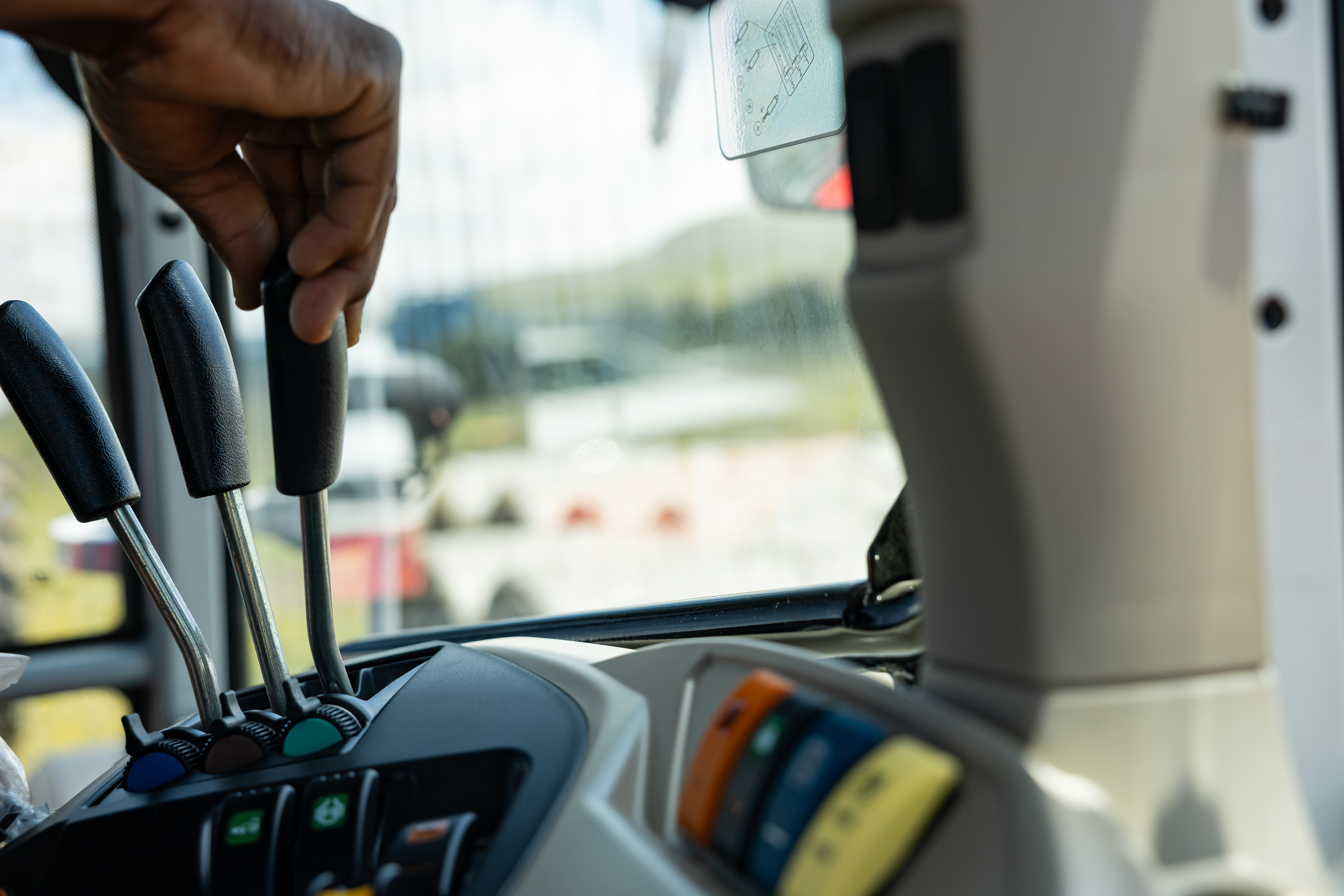
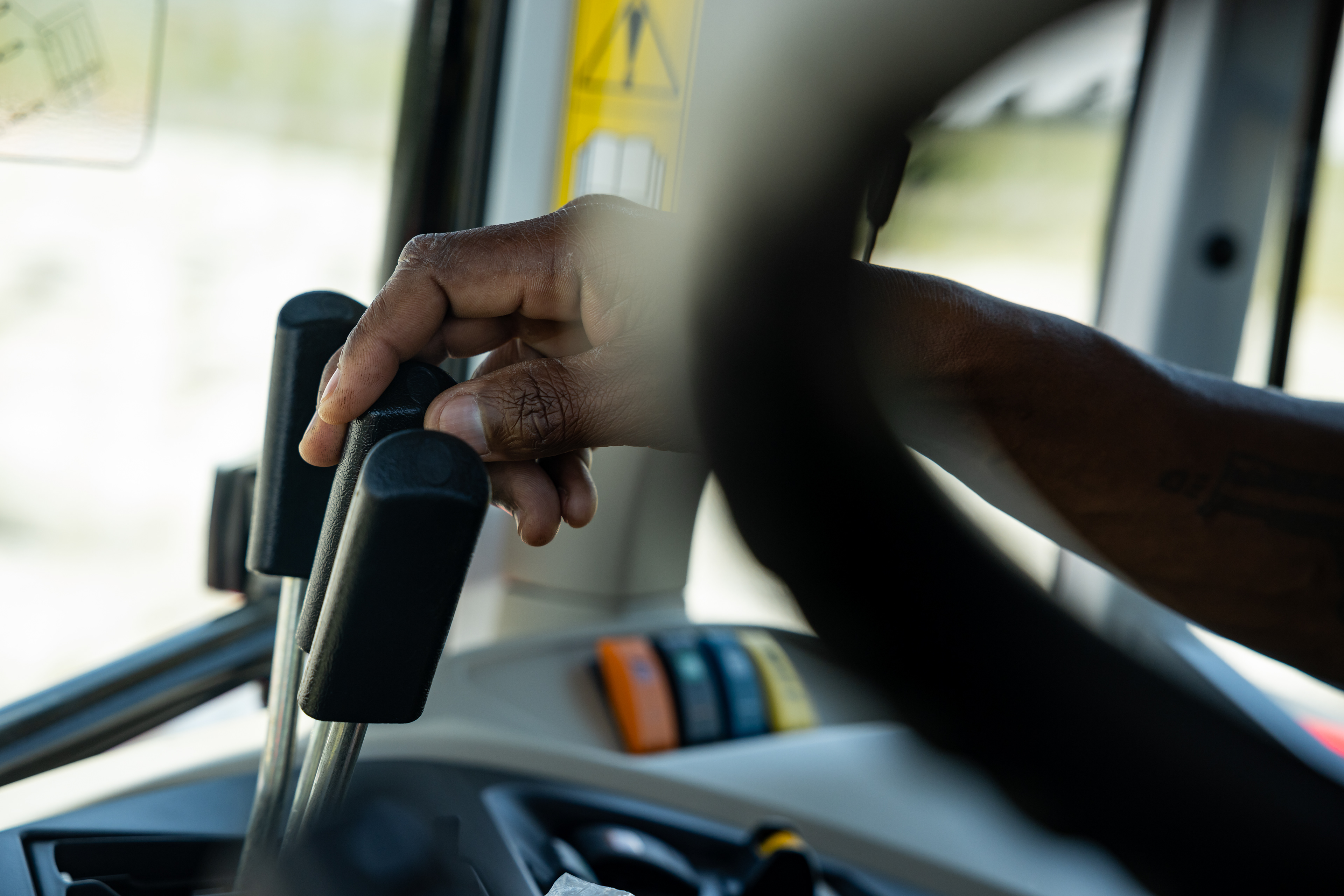
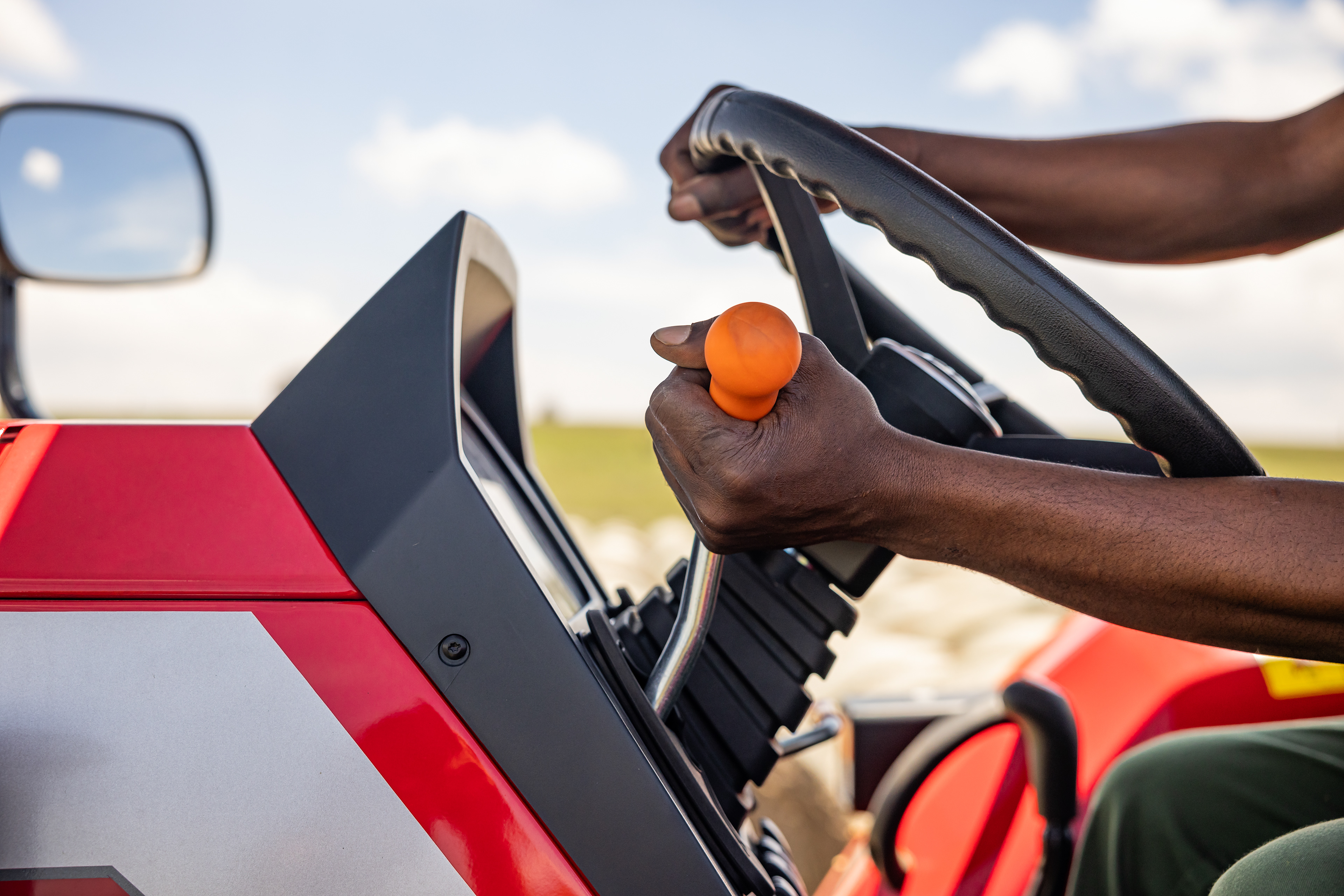
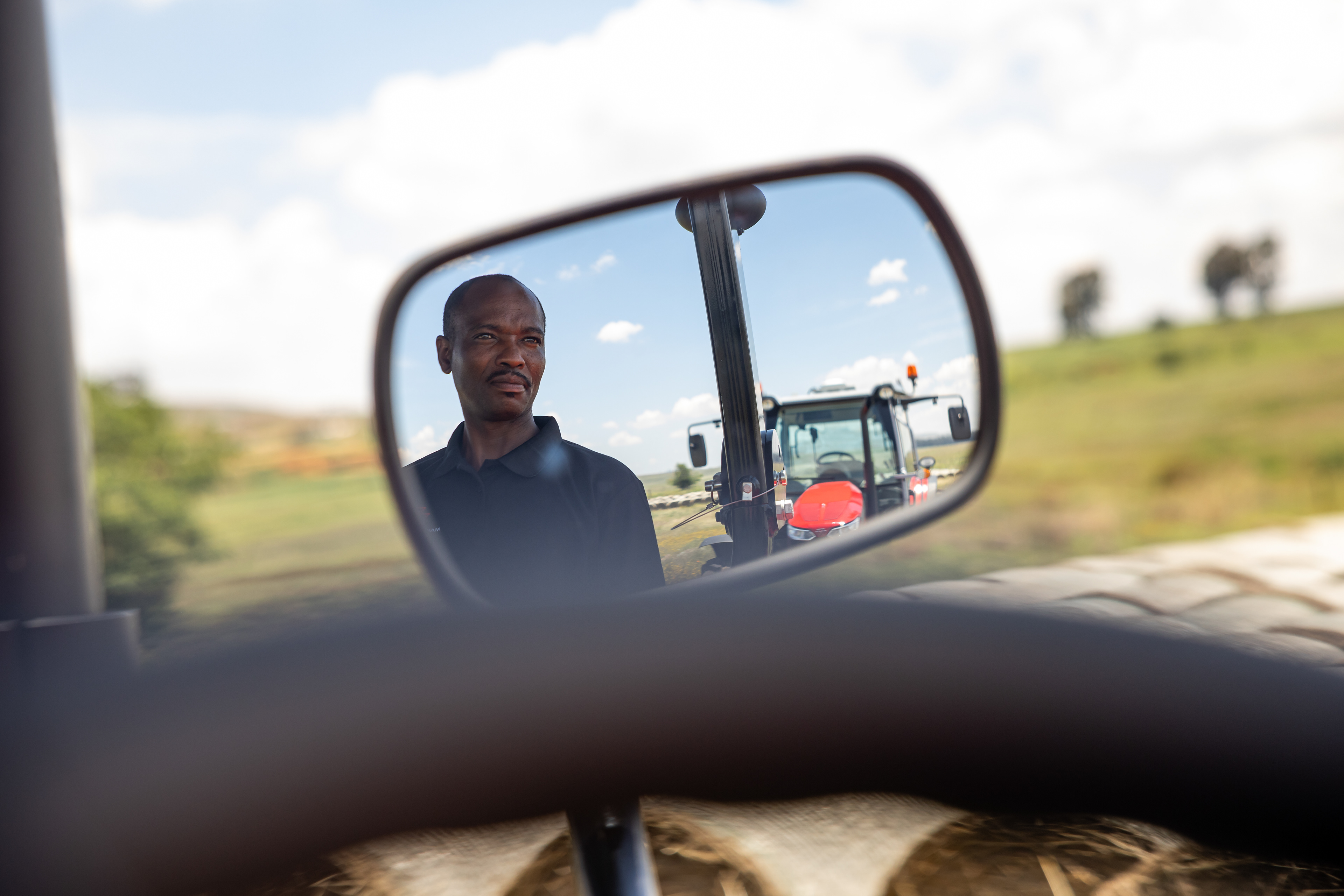
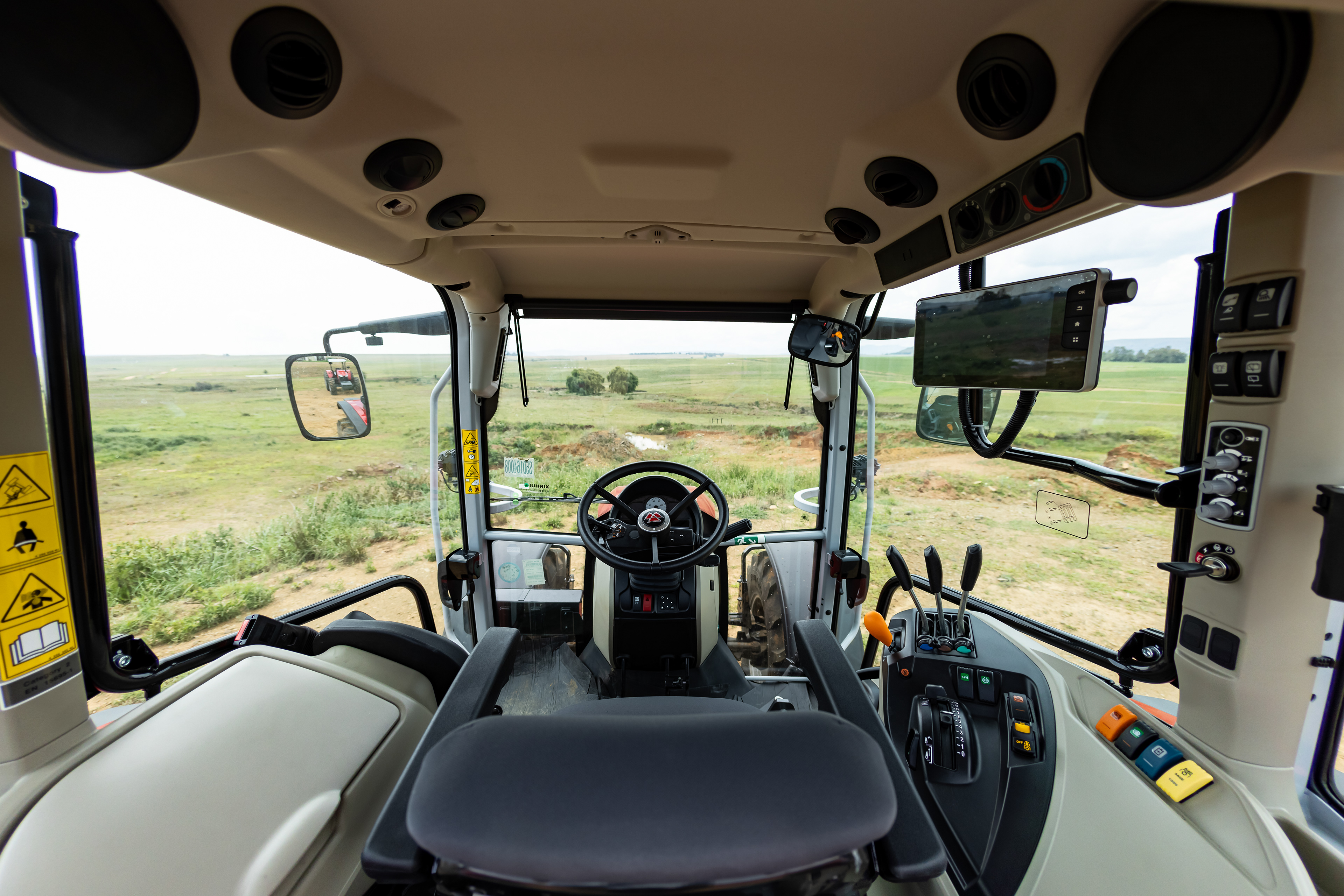
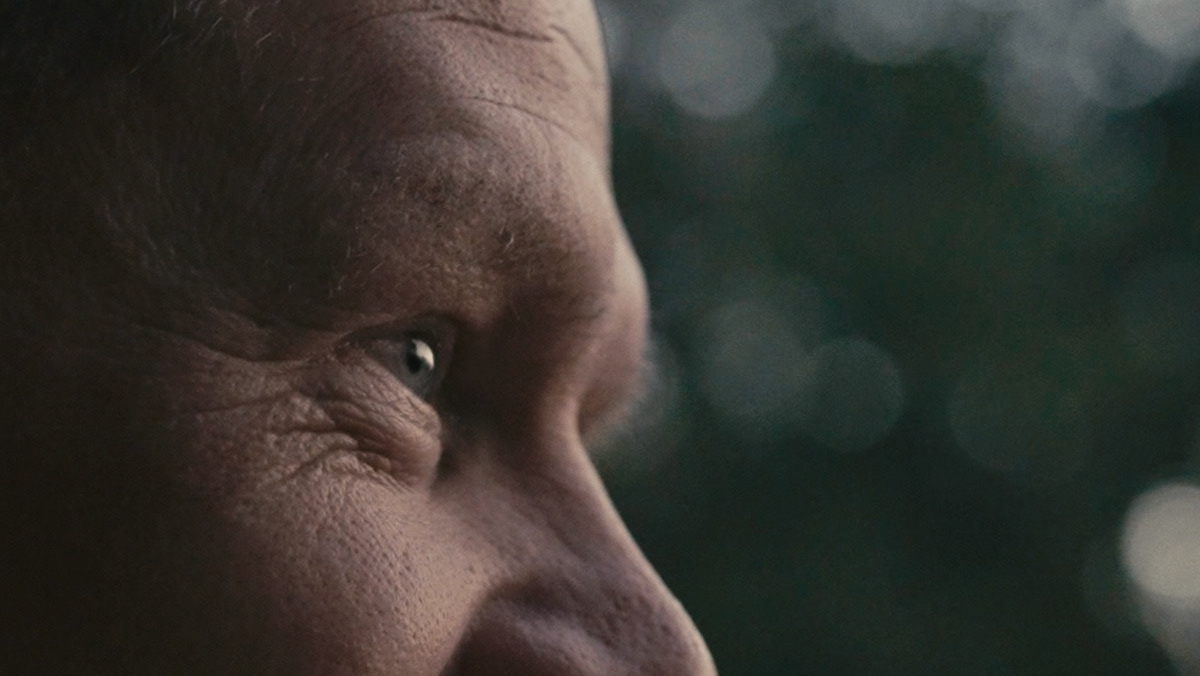
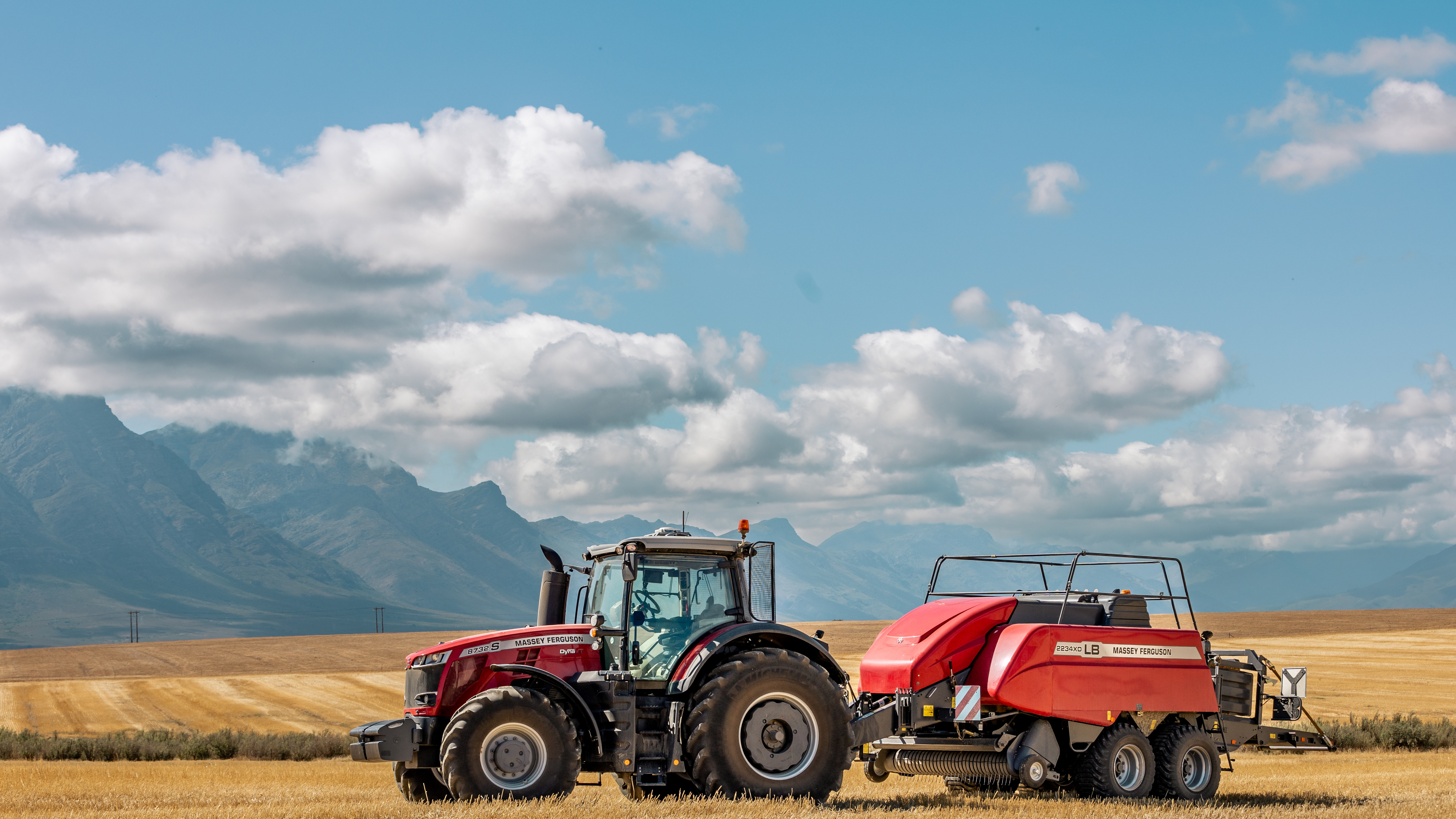
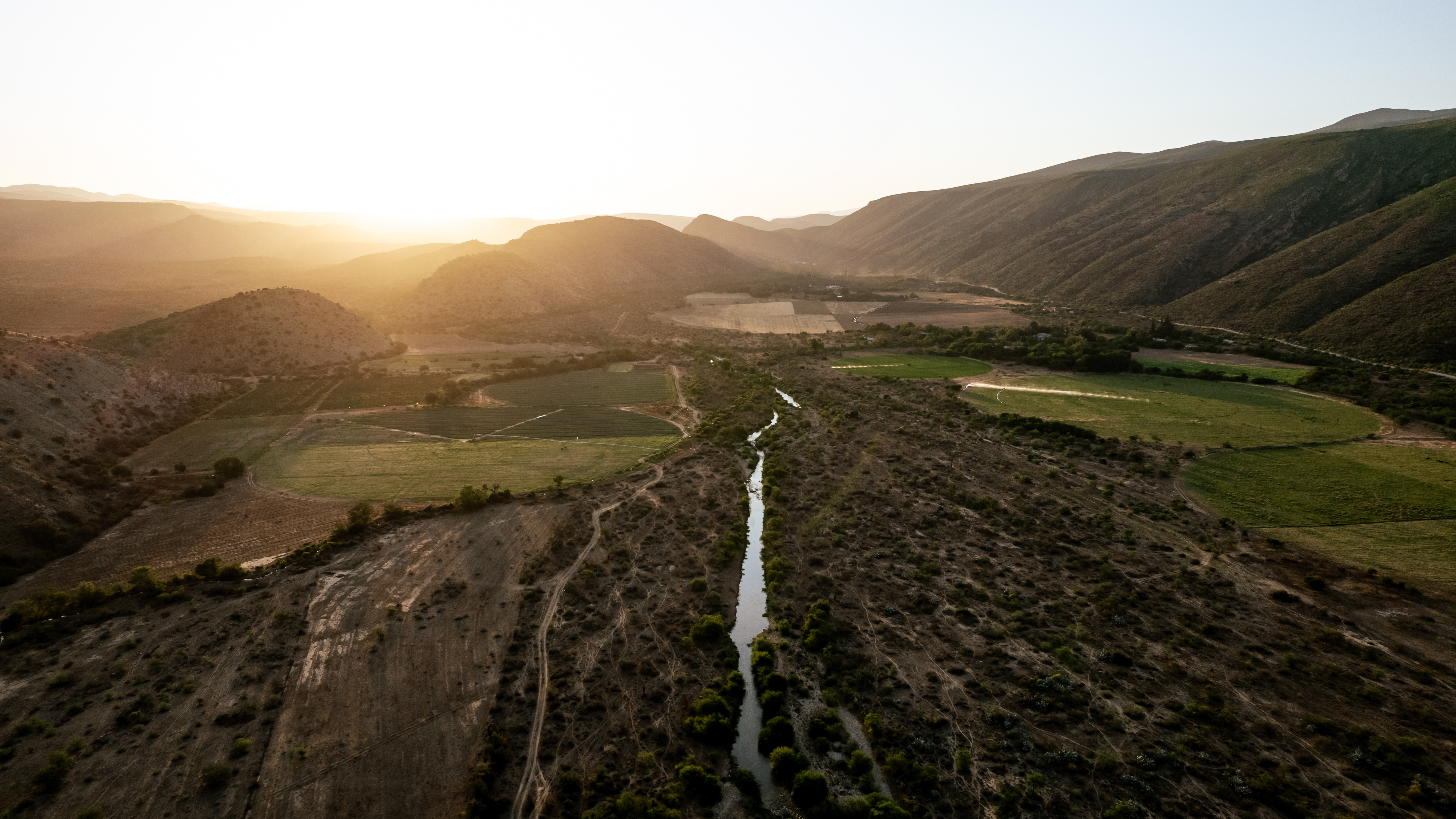
Out there, the environment shapes the story just as much as the tractor does. The dust hangs in the air longer than you expect, catching light in a way that you can’t plan. The sound of the engine carries across open land, steady and deliberate, not rushed. You start to realise that the most important shots aren’t the obvious ones. It’s not just the wide hero shot of the tractor moving through the field. It’s the smaller things. A hand on the controls. A glance between two farmers. The moment someone nods slightly, almost to themselves, because something feels right.
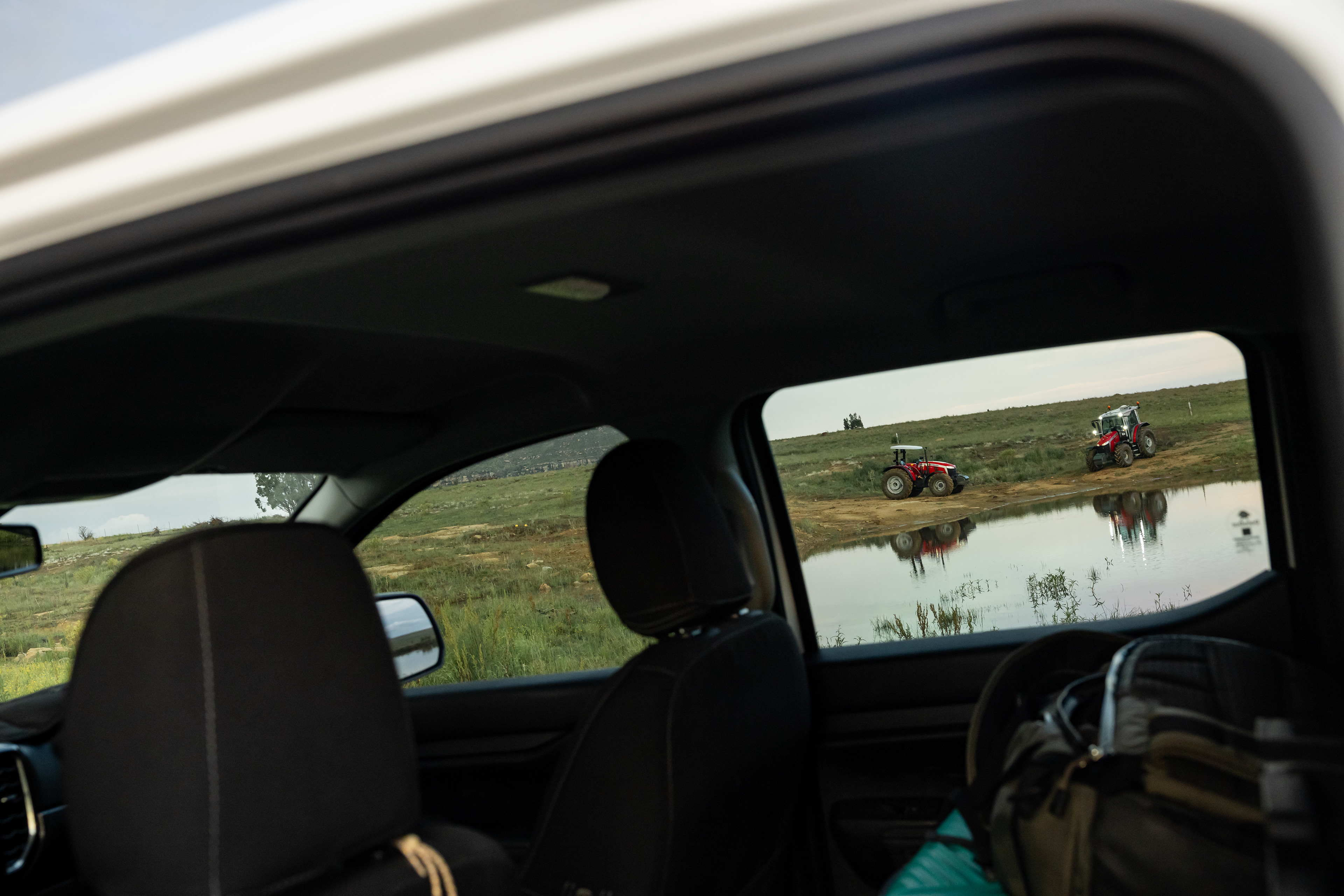
Filming in agriculture forces you to slow down in a way that most commercial work doesn’t. There’s no rushing a good moment. The machine moves at its own pace, the work unfolds as it should, and you either align with that or you miss it. You begin to anticipate instead of direct. You position yourself where you think something might happen, and you wait. And when it does, it’s not loud or dramatic. It’s subtle. But it carries weight because it’s real.
There’s also a responsibility that comes with it. This isn’t just content for the sake of content. For many of the people on those farms, a machine like the Massey Ferguson 5M is part of their livelihood. It needs to work. It needs to be reliable. It needs to earn its place. So when you’re capturing it, you’re not trying to make it look like something it’s not. You’re trying to show it exactly as it is, in conditions that matter, doing the work it was built for.
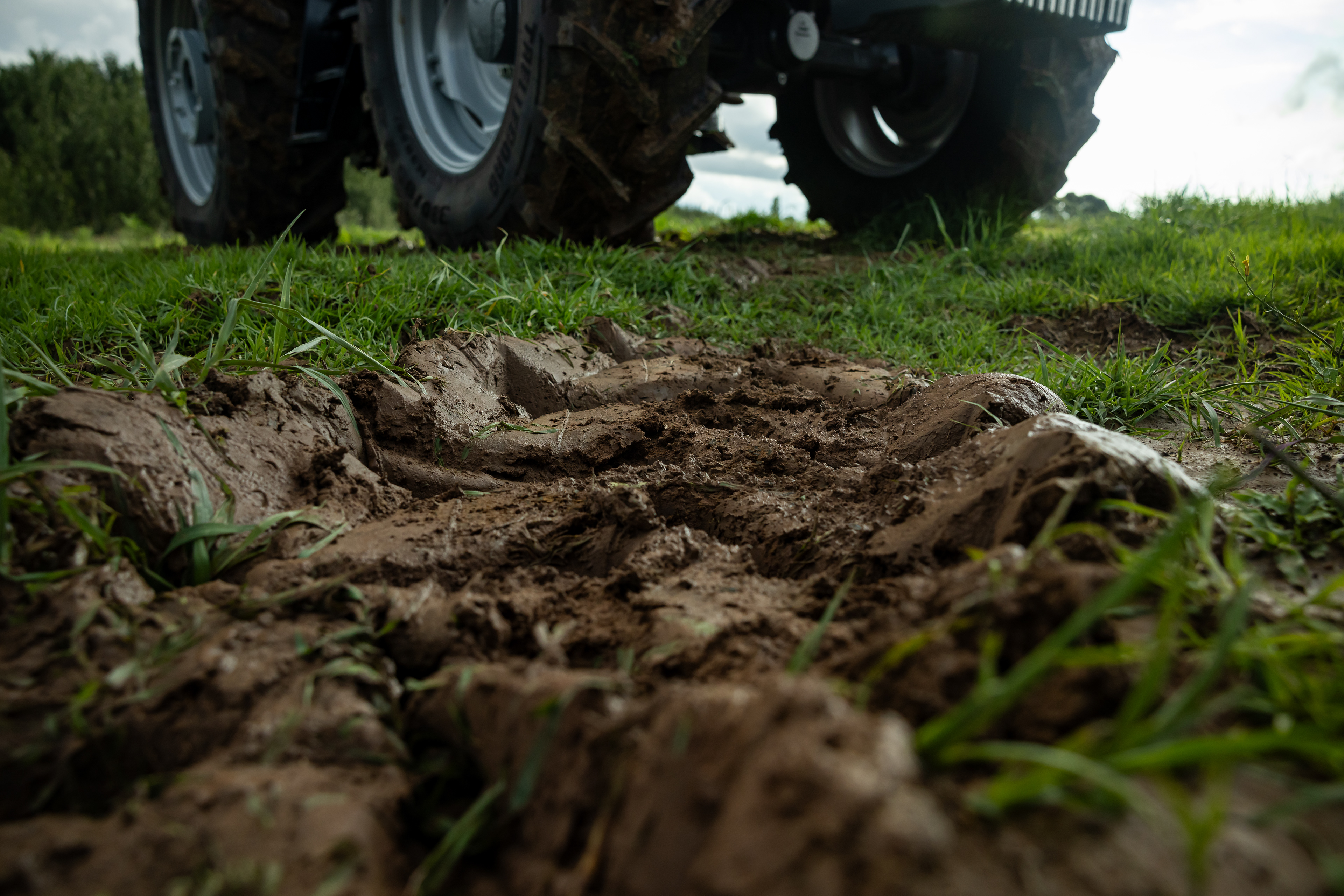
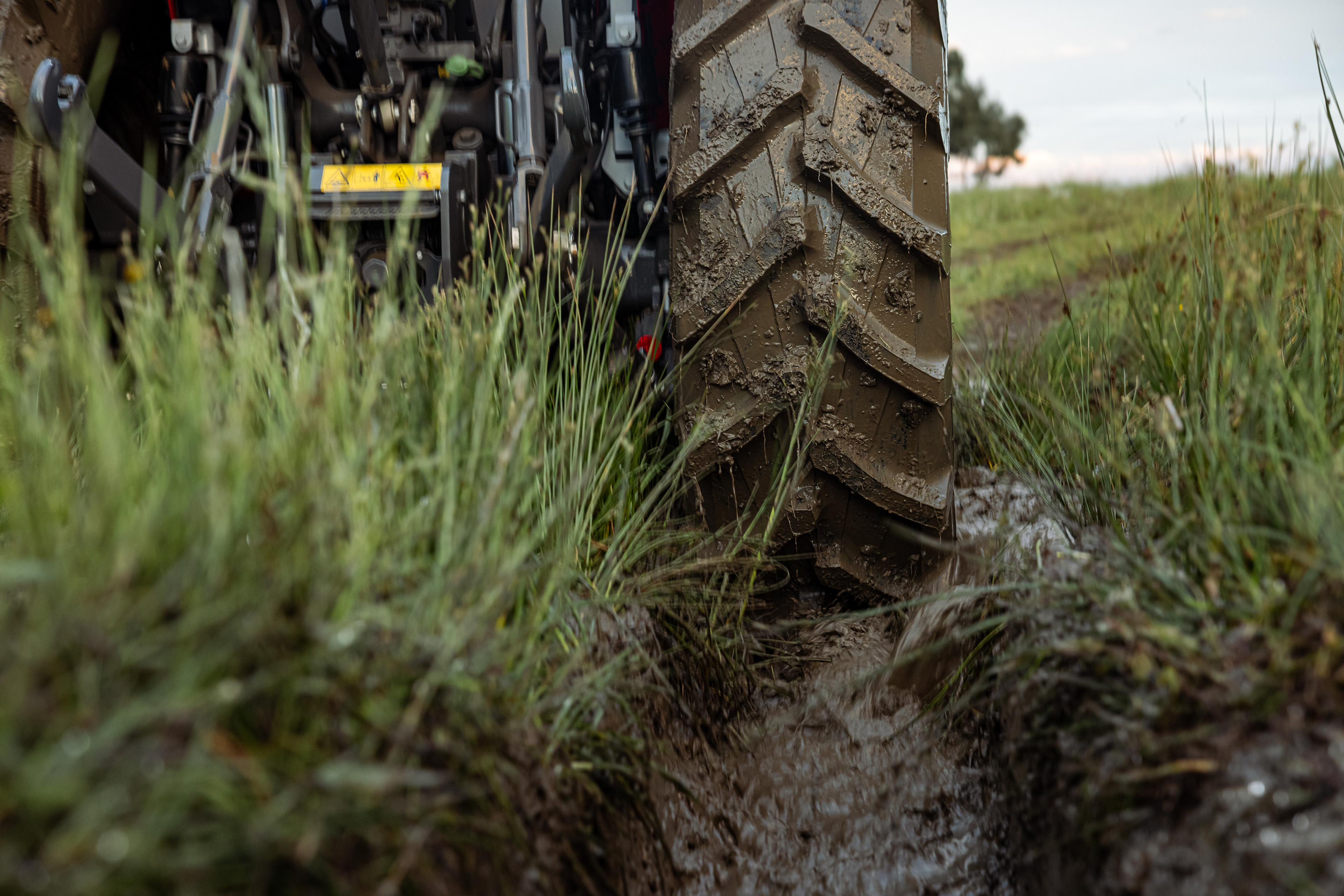
From a filmmaking side, that means letting go of perfection. You take the dust, the harsh light, the unpredictability, and you use it. You lean into the texture of the environment. You let the sound of the engine and the movement of the machine carry the story instead of forcing a narrative over it. You trust that the authenticity of the moment will do more than any scripted line ever could.
What stands out most after a shoot like this isn’t a single hero shot or a perfectly framed sequence. It’s the feeling of it. The rhythm of the day. The way the machine becomes part of the landscape almost immediately. The quiet confidence in the way it operates. And the people around it, who don’t need convincing, only proof.
That’s what makes a launch like this different. It’s not about announcing something new. It’s about showing where it fits, how it works, and why it matters. And when you capture that honestly, without overcomplicating it, you end up with something that connects.
In the end, shooting the Massey Ferguson 5M in Africa wasn’t about creating a campaign. It was about documenting a beginning. A new machine stepping into real conditions, real work, and real expectations. And being there to capture that, as it unfolds naturally, is what turns content into something people can actually trust.