Here’s your Munga version, same tone, same flow, fully human and grounded:
The Munga
Chasing a Story That Doesn’t Slow Down
Some projects ask you to be ready. The Munga doesn’t wait for that. It moves whether you’re prepared or not, and from the moment it starts, you realise very quickly that you’re not in control of how this story unfolds. You’re just trying to keep up with it.
You arrive knowing it’s going to be long, but it’s only once you’re in it that you understand what that actually means. This isn’t a race that plays out over a few hours. It stretches across days, through changing light, shifting conditions, and riders who slowly get worn down by the distance. As a filmmaker, you don’t just document it. You start to feel it with them.
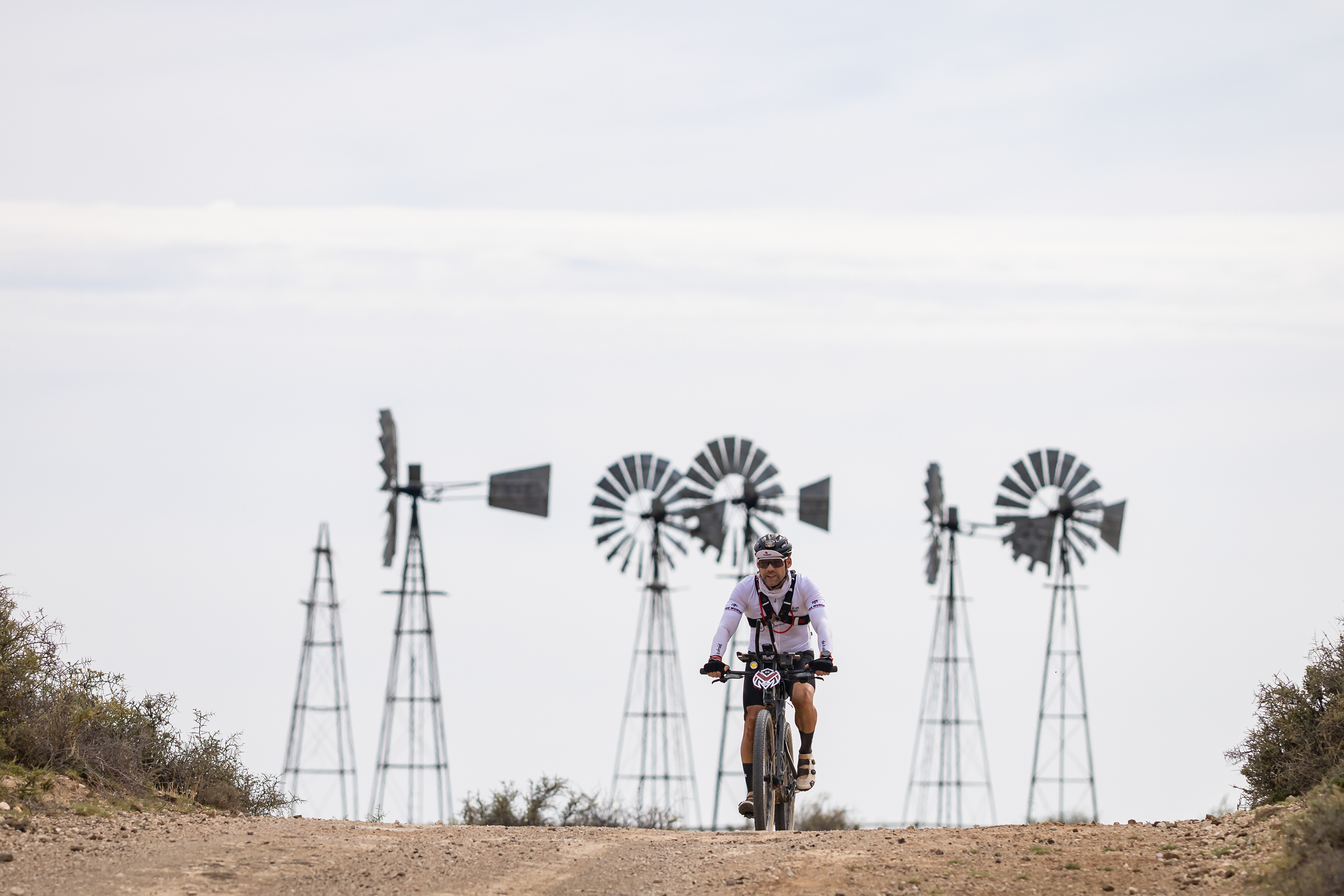
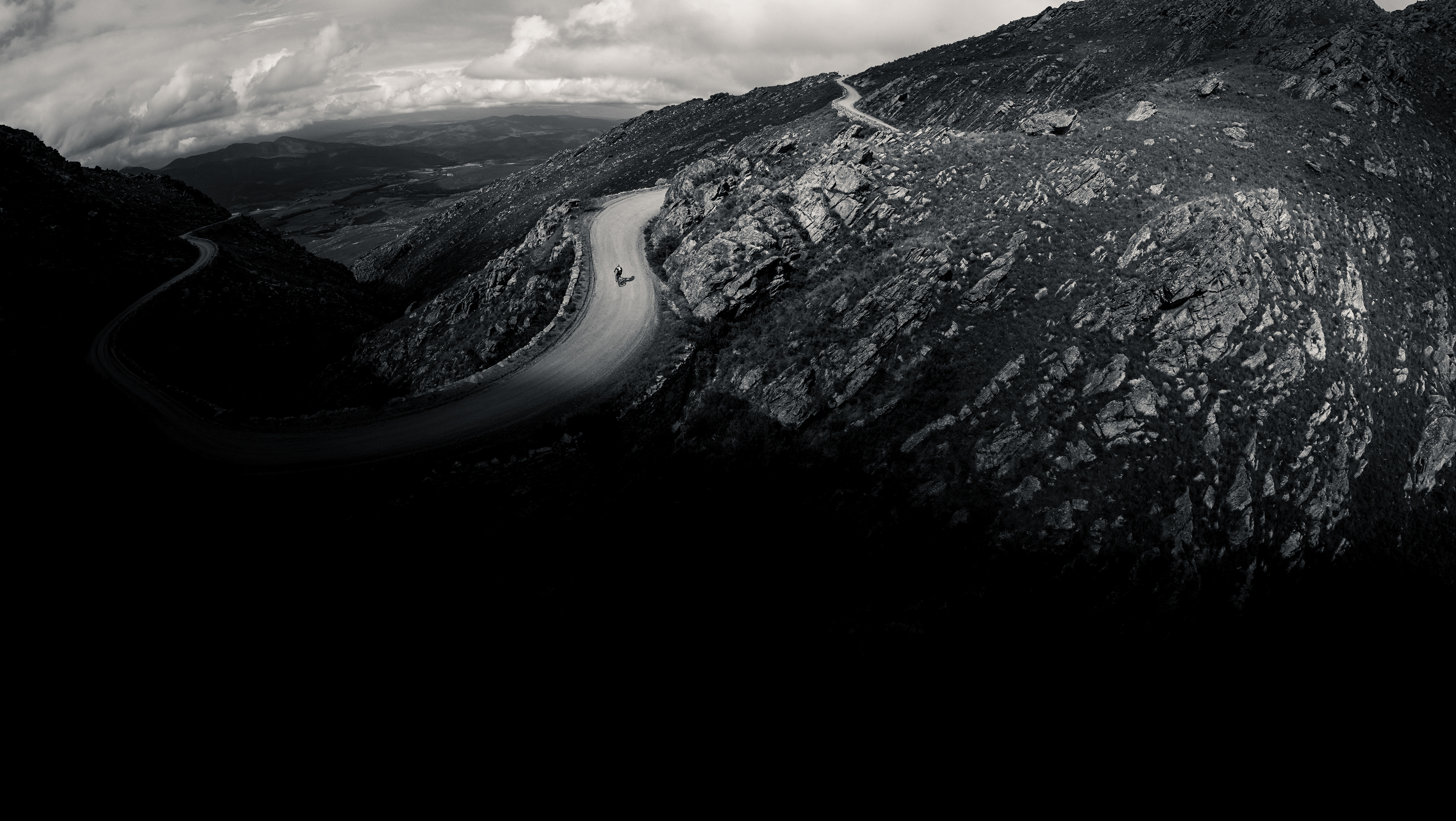
The first few moments are almost deceptive. There’s energy, movement, a sense of anticipation as riders roll out. Everything feels alive. But as the race settles, the tone changes. The gaps grow. The silence becomes more noticeable. Riders are no longer surrounded by others. They’re out there on their own, working through something that becomes less about racing and more about enduring.
That’s where the story really starts.
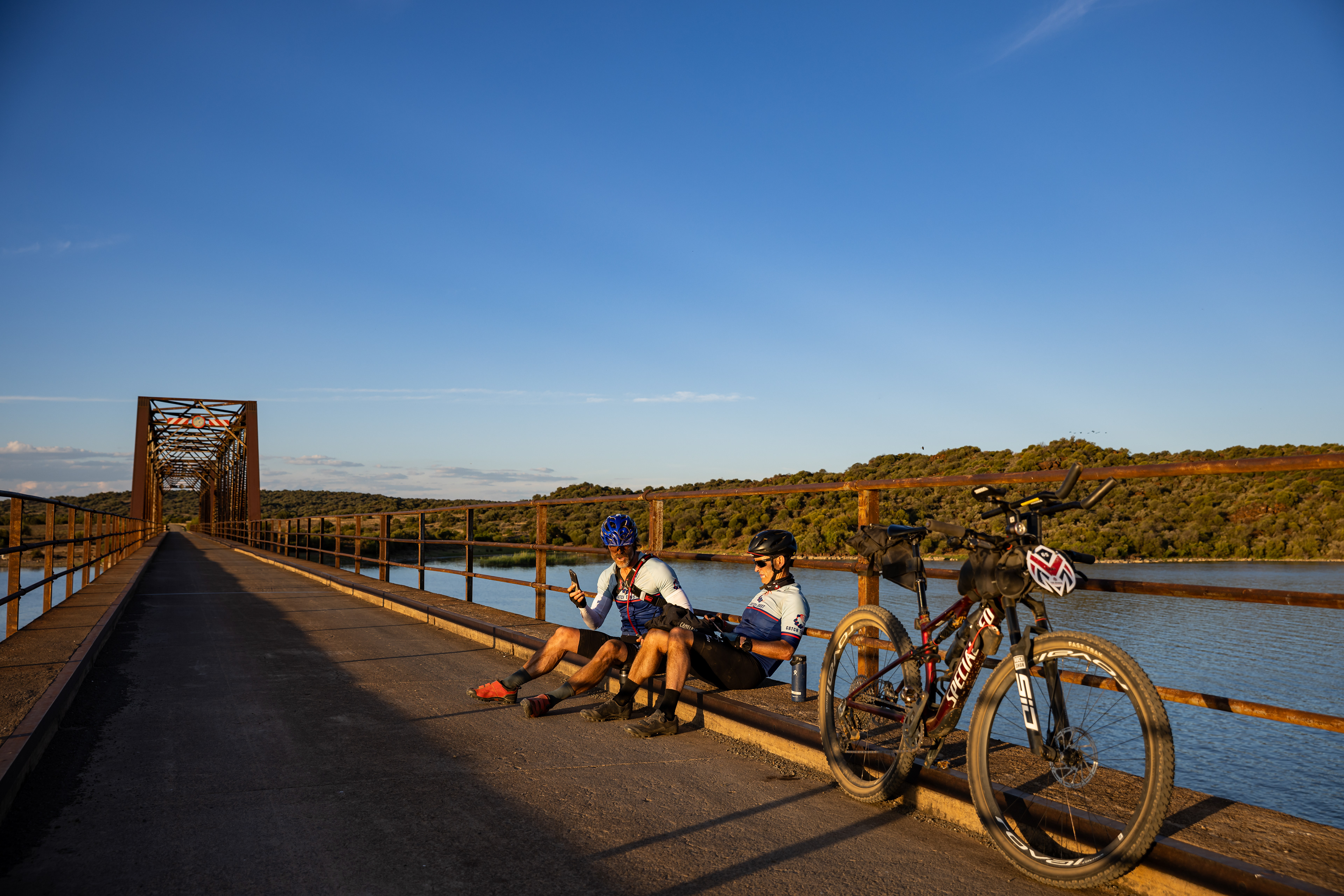
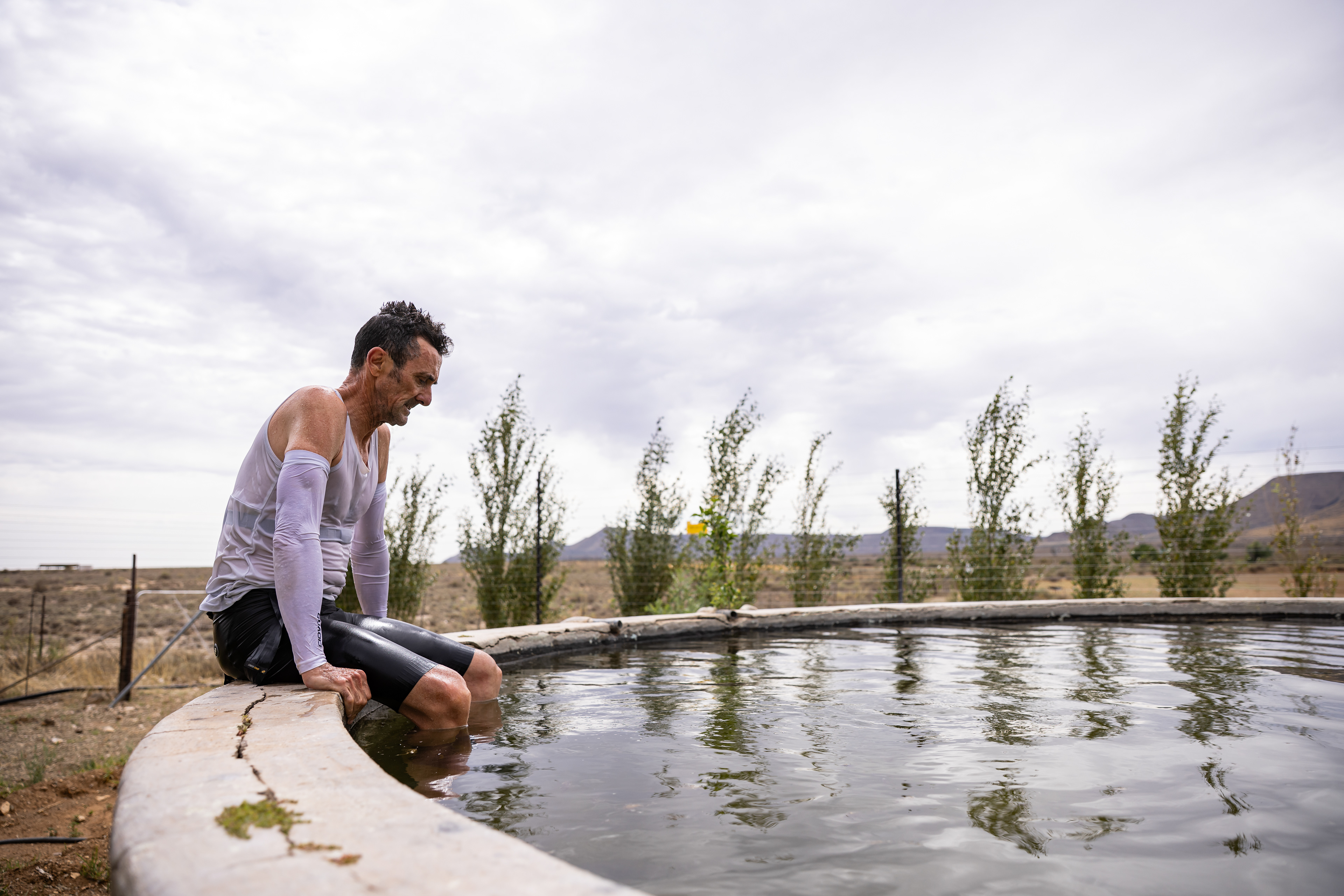
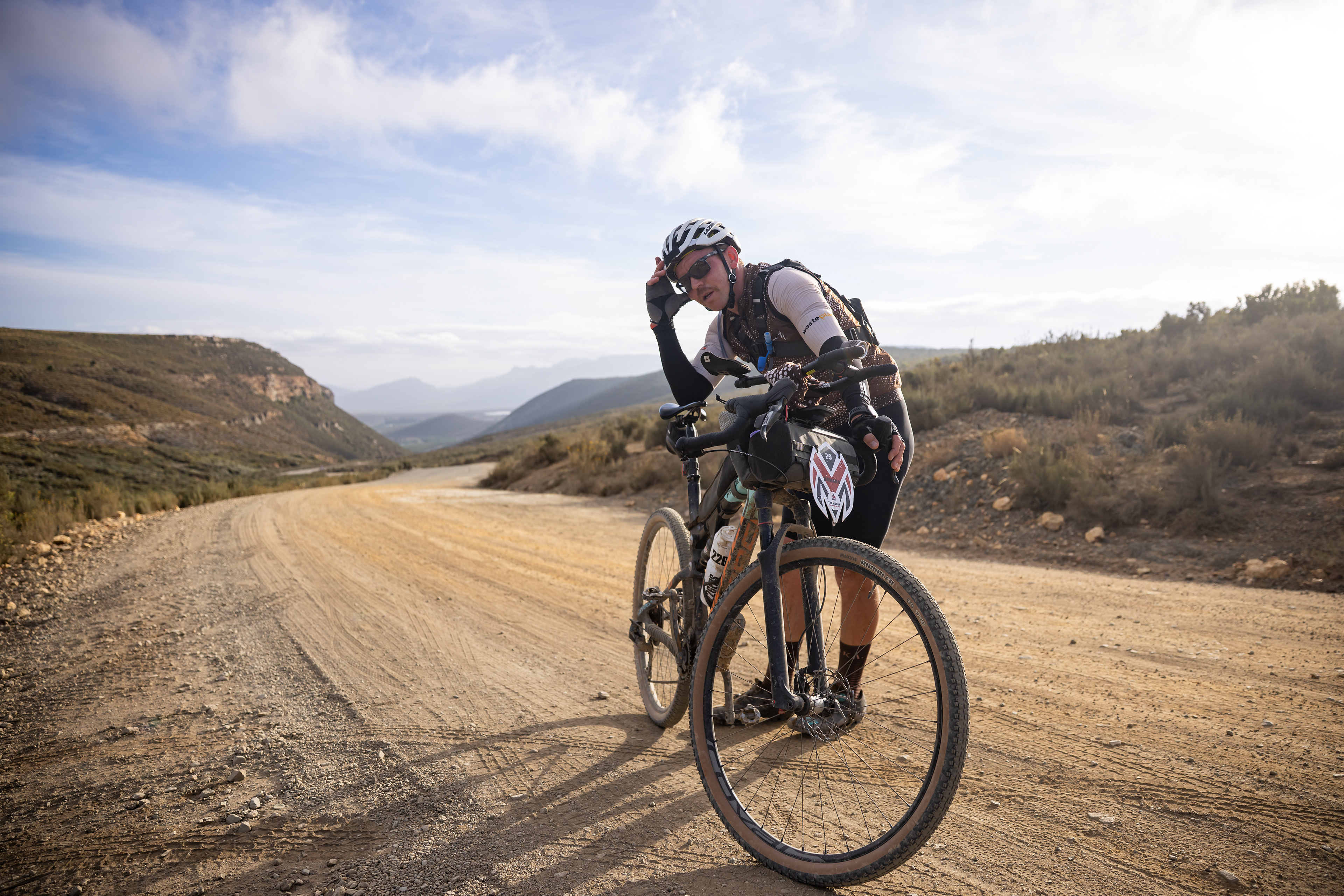
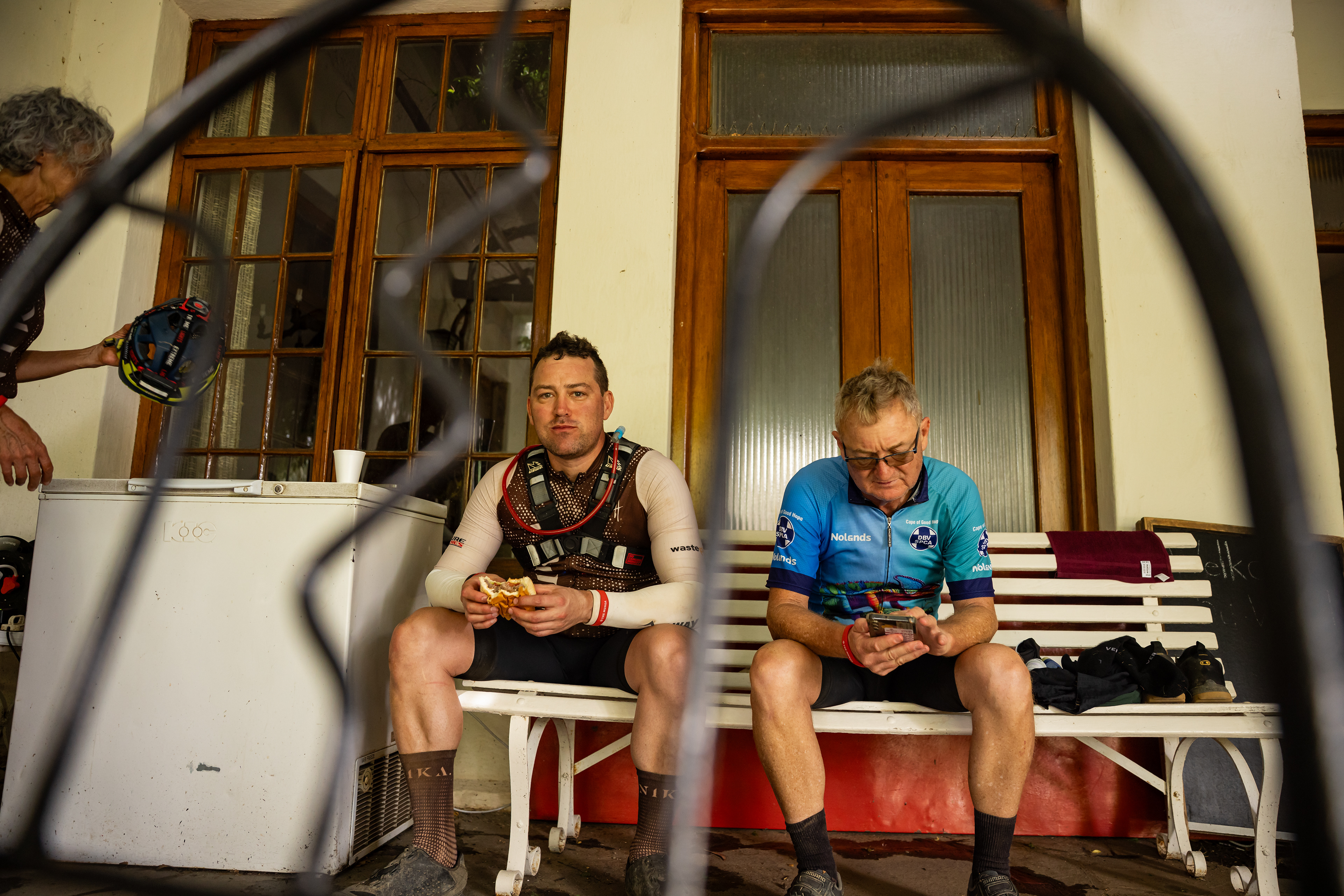
You stop looking for big moments and start paying attention to the small ones. A rider sitting alone for a minute longer than planned. Someone staring down the road ahead before getting back on the bike. The way the body language changes as fatigue sets in. There’s no need to create drama. It’s already there, just quieter than you expect.
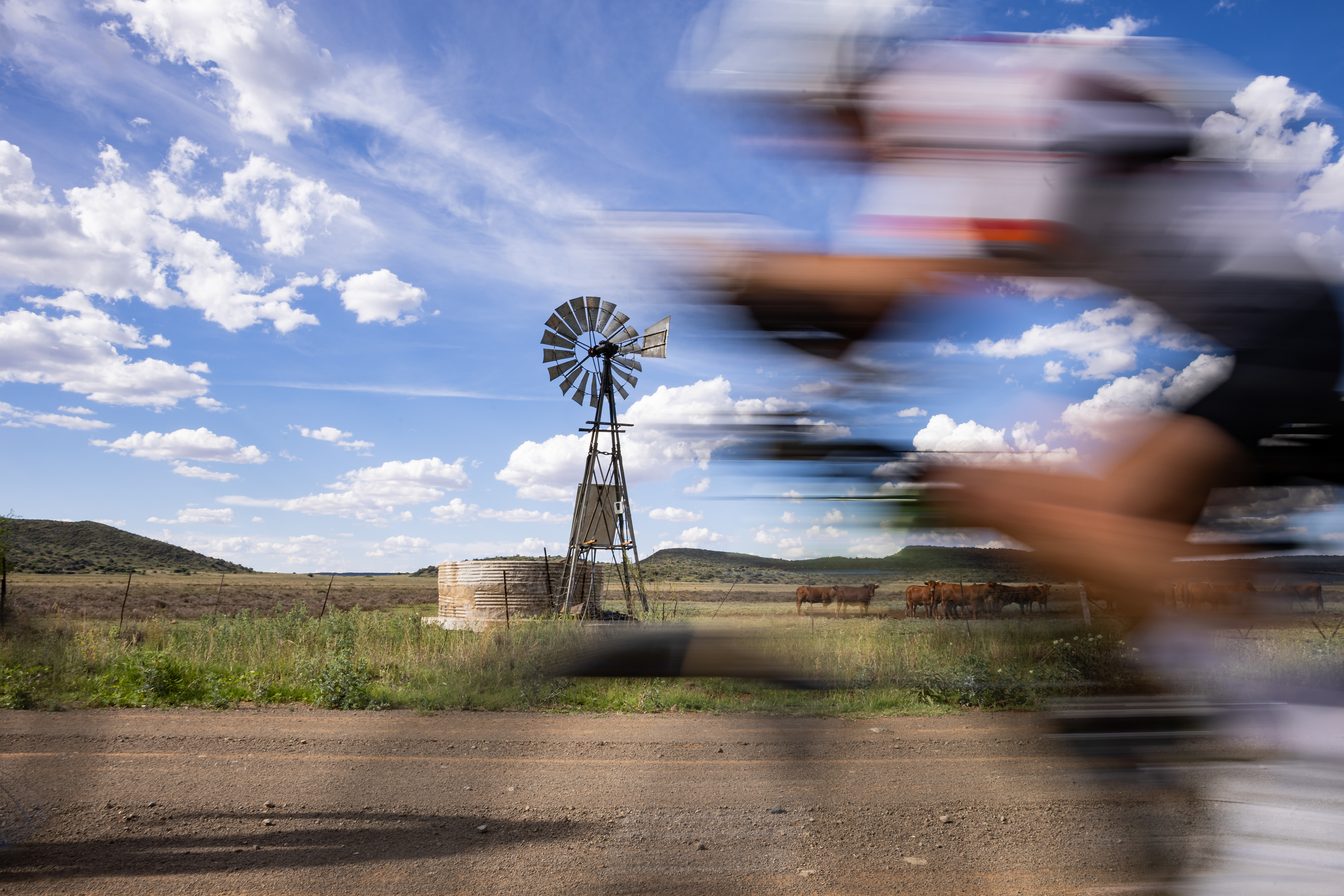
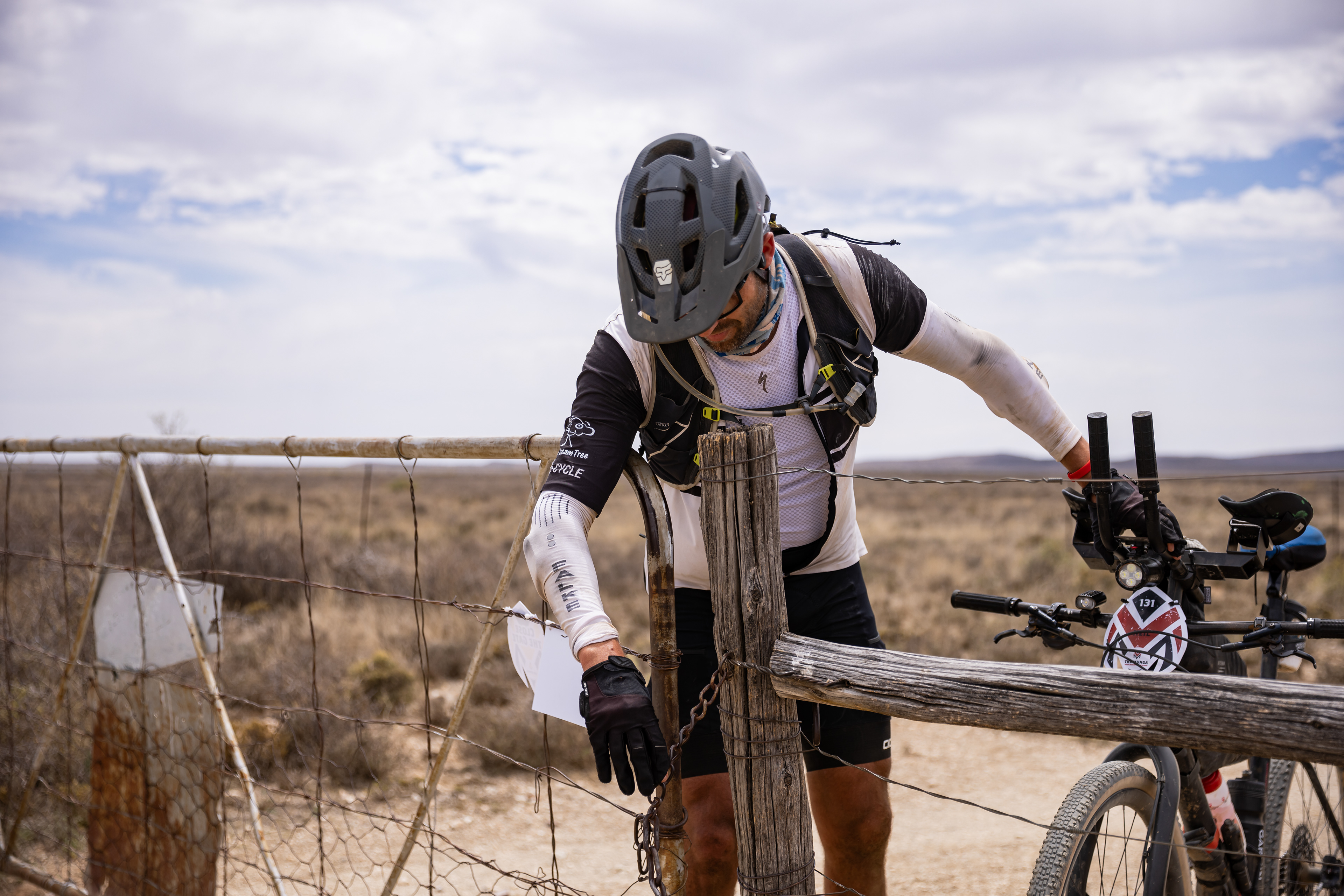
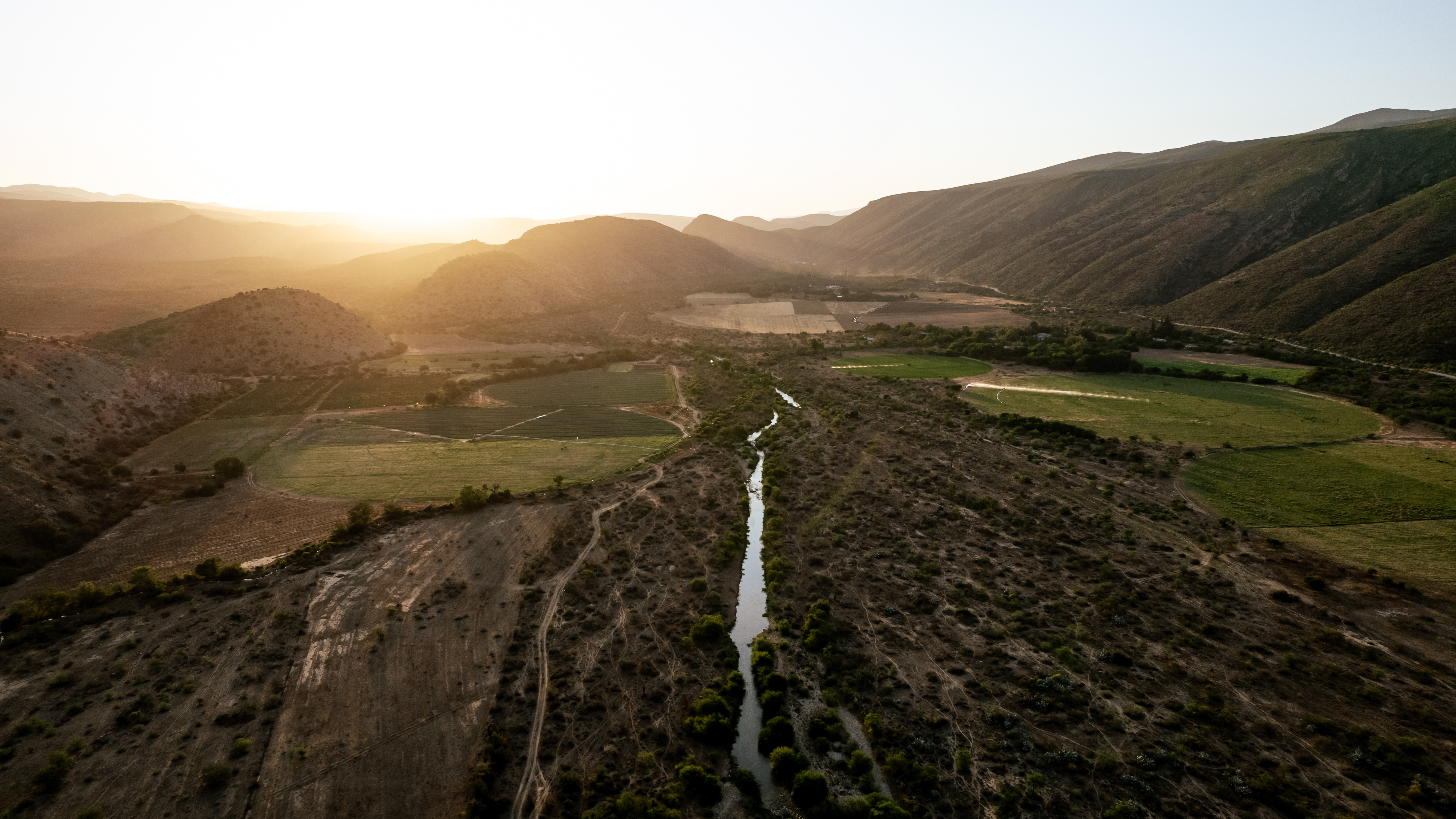
From a shooting perspective, it’s one of the most demanding environments you can be in. You’re chasing riders across long distances, often not knowing exactly when or where you’ll see them next. You plan as best you can, but the race doesn’t follow your plan. You work around it, adjusting constantly, trying to position yourself where something might happen, knowing that you’ll miss things along the way.
And that’s part of it.
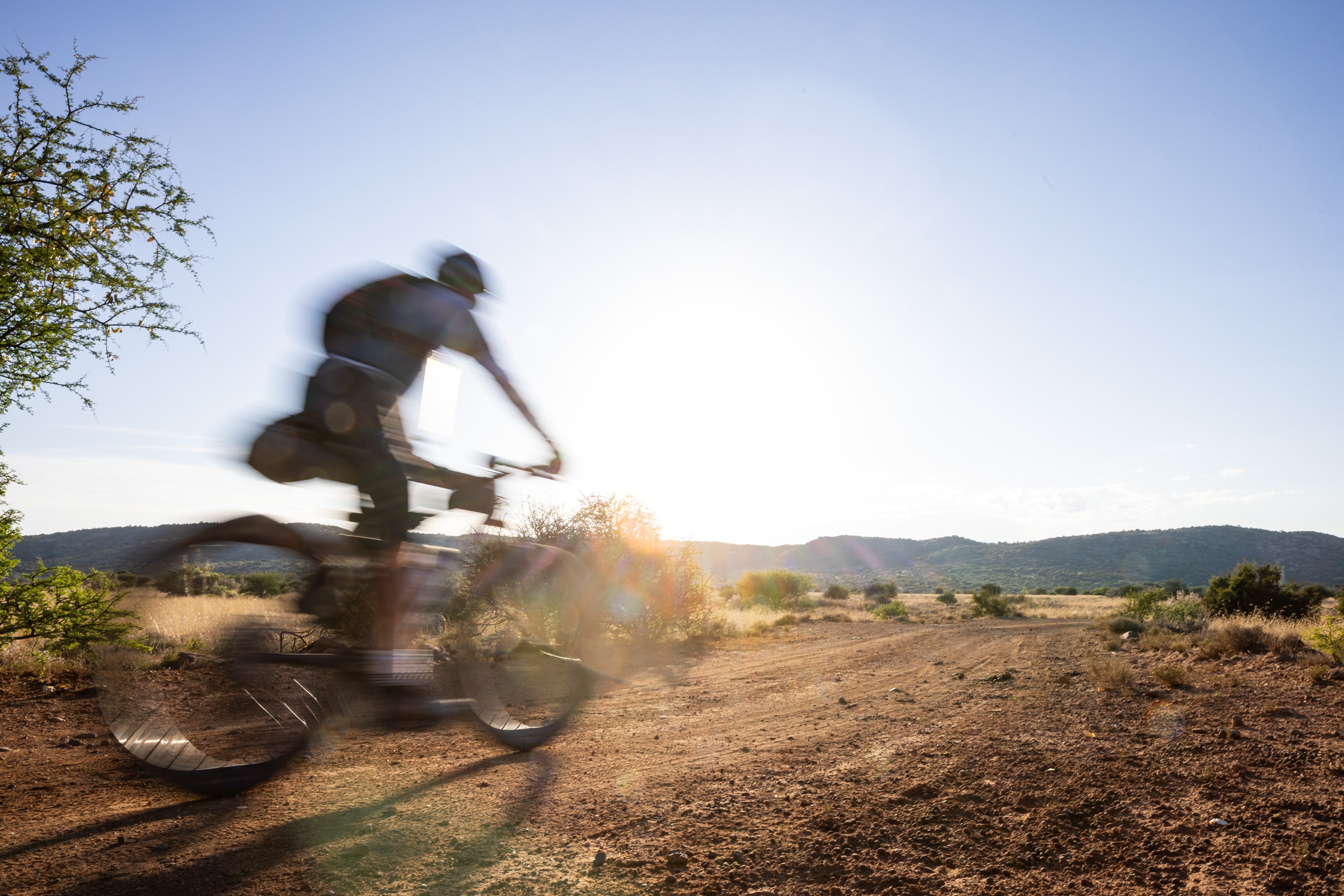
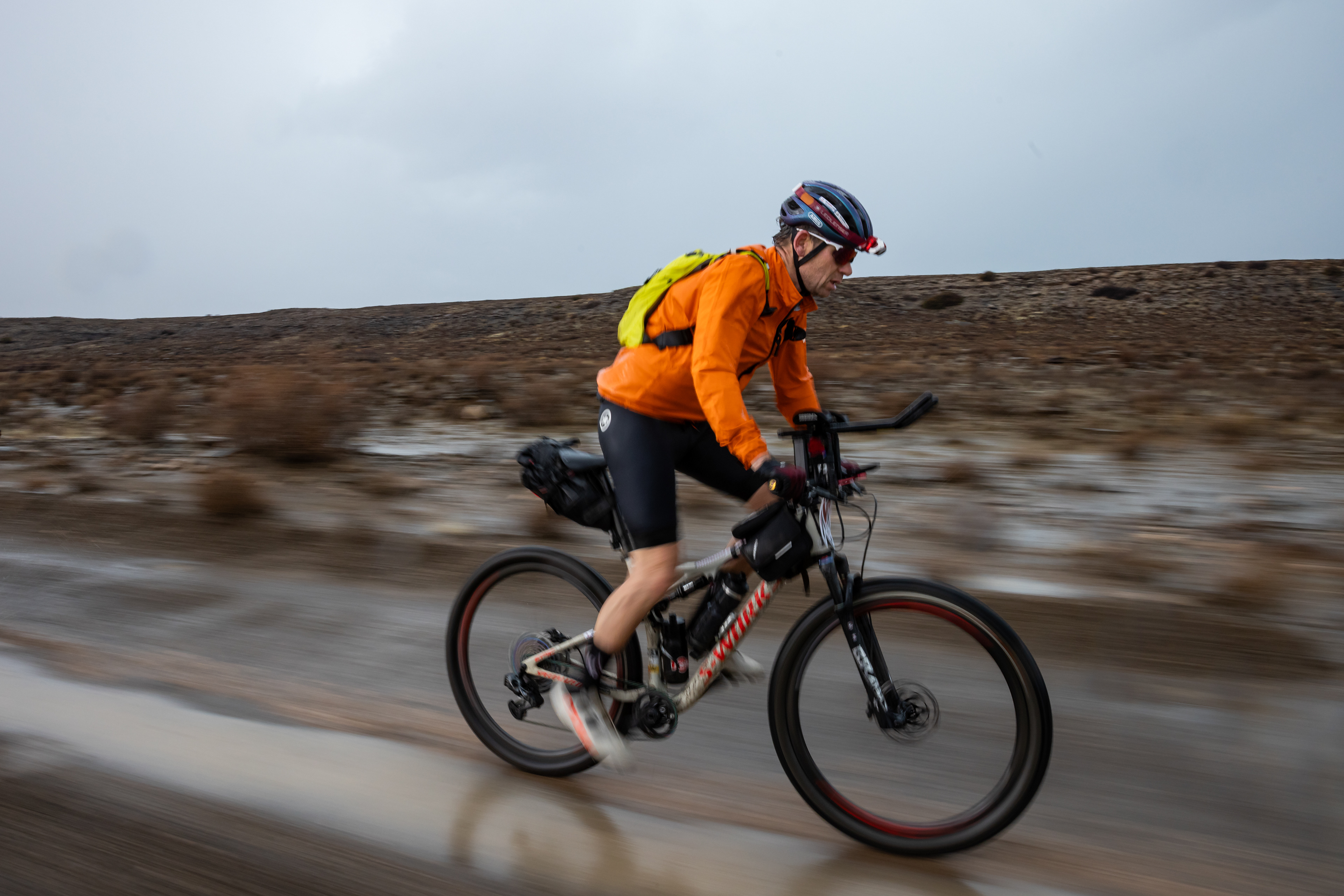
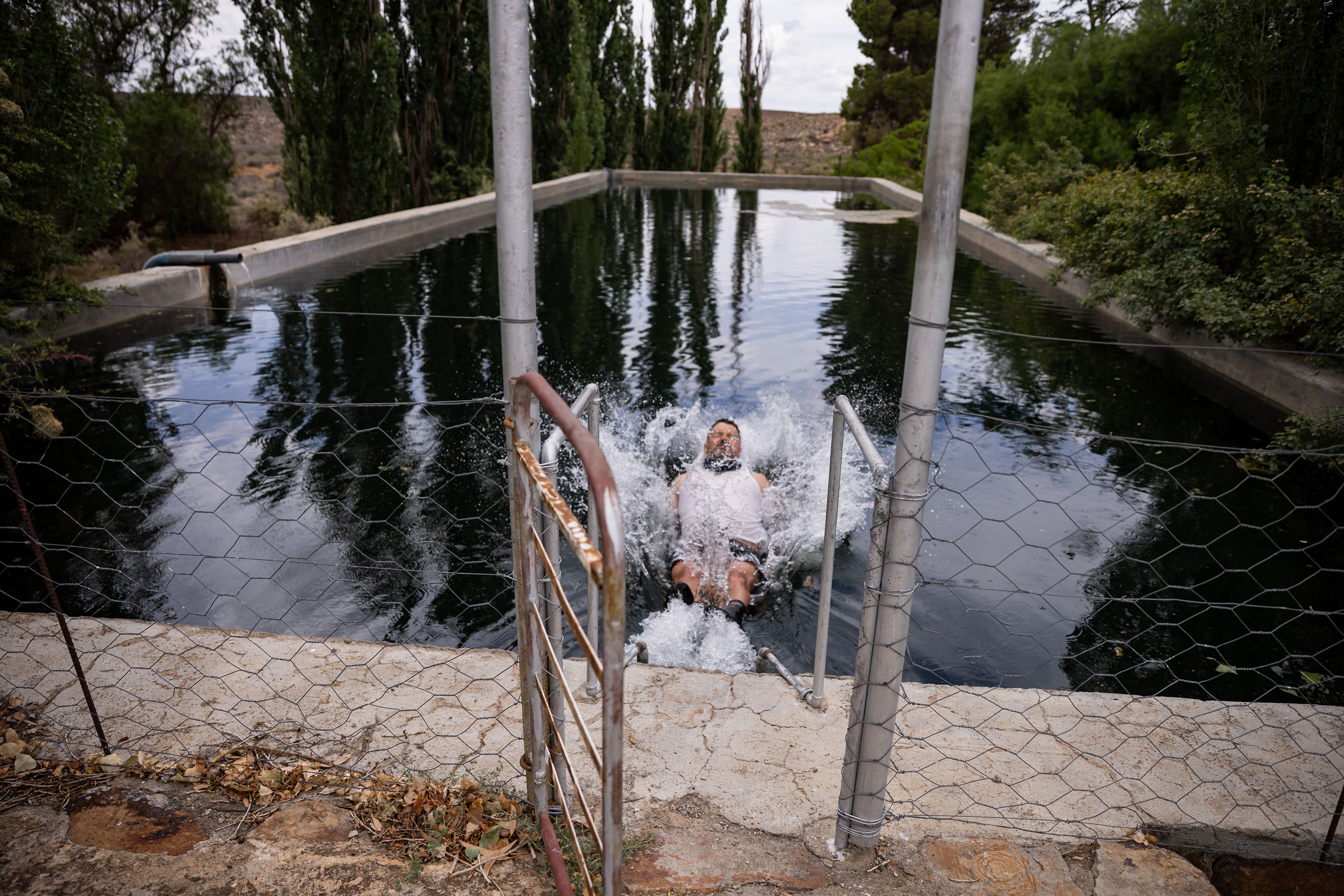
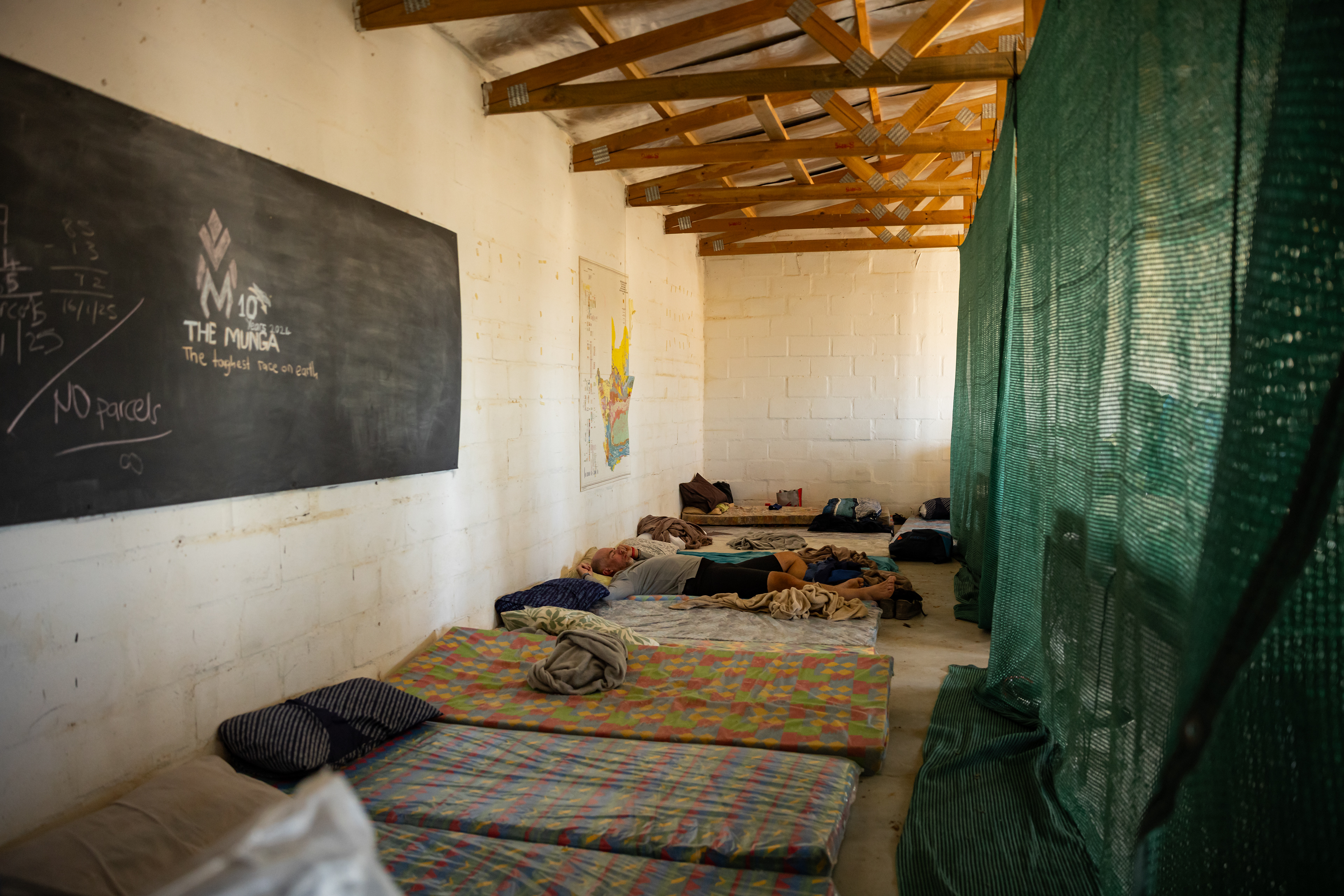
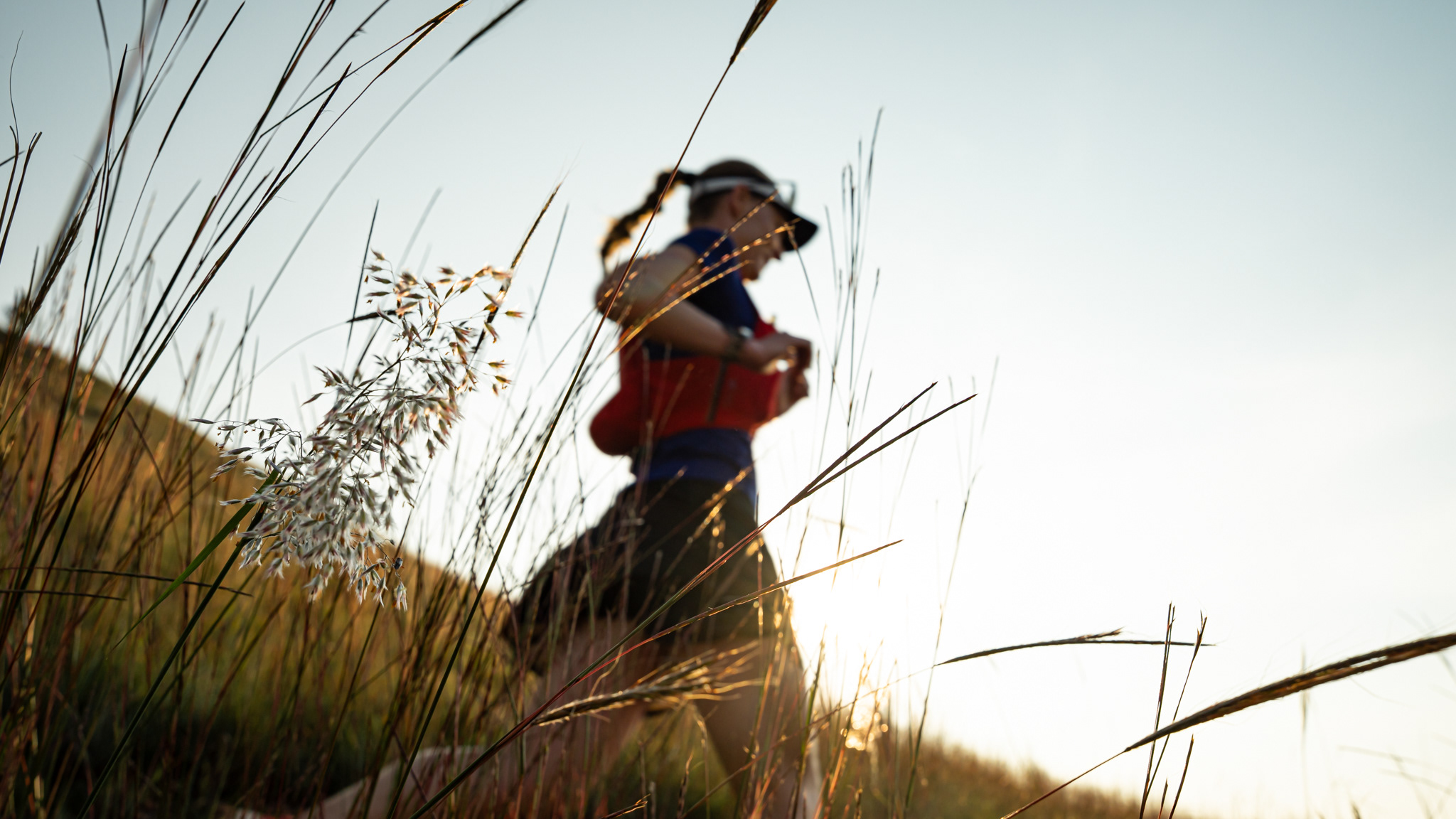
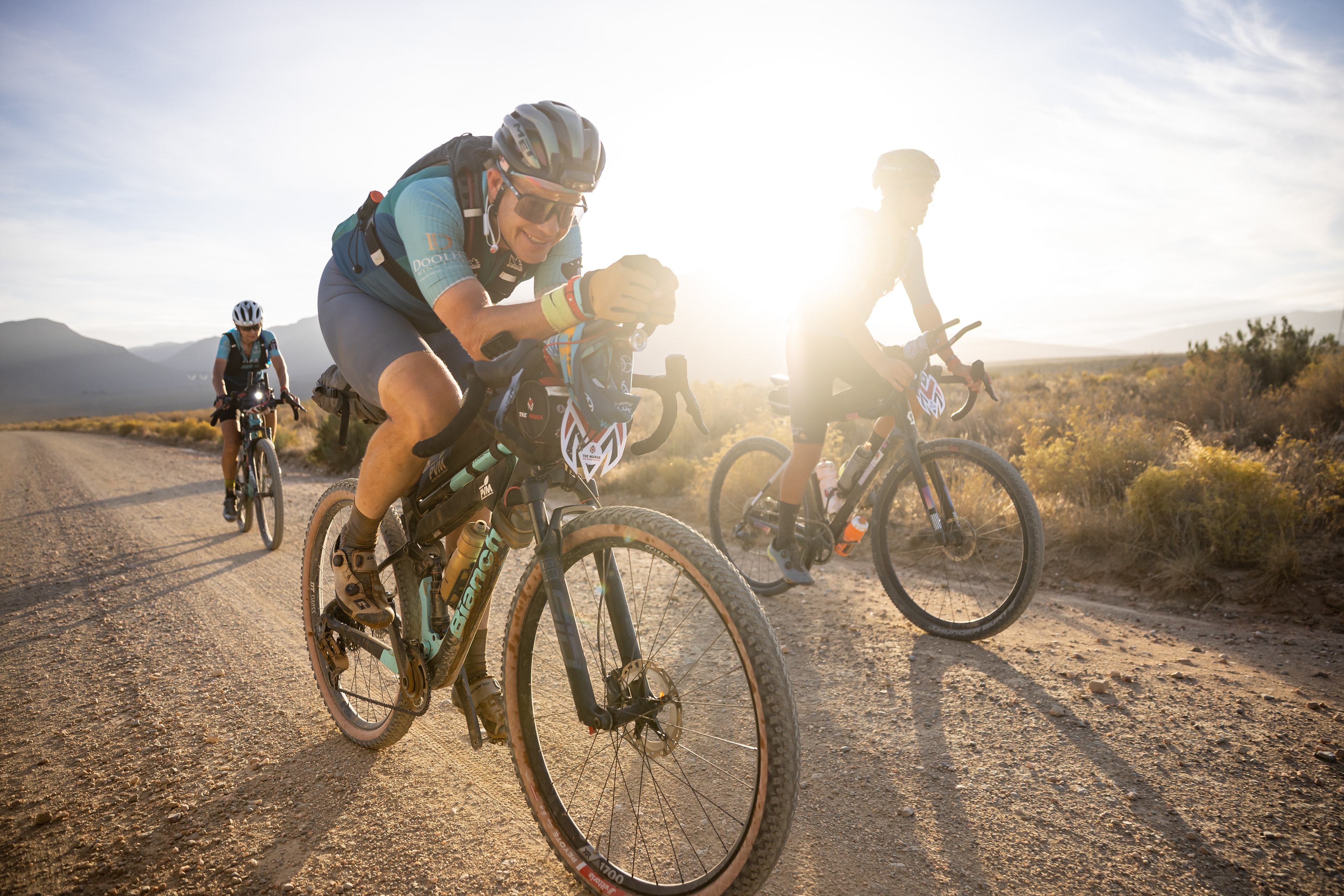
You can’t capture everything. You accept that early on. What you focus on instead is being present for the moments you do get. The ones that carry weight. The ones that feel honest. A rider pushing through the night. The early morning light hitting someone who hasn’t slept. The quiet relief at a checkpoint. None of it is staged. None of it repeats.
There’s a rawness to The Munga that strips everything back. Riders are not performing. They’re surviving. And when you’re filming that, your role changes. You’re not directing or guiding. You’re observing, respecting the space they’re in, and trying to translate that into something others can feel.
It’s also one of those projects where the line between filmmaker and participant starts to blur. You might not be on the bike, but you’re in it. The long days, the constant movement, the mental shift of staying focused over time. You begin to understand, even in a small way, what it takes to keep going when everything tells you to stop.
What stands out isn’t one defining moment. It’s the accumulation of everything. The distance. The silence. The effort. The way the race slowly reveals who each rider is when there’s nothing left to hide behind. That’s what makes it powerful. Not the speed, not the results, but the process of getting through it.
Projects like The Munga remind you why real storytelling matters. You don’t need to build anything on top of it. You just need to be there, pay attention, and capture it as it is. The weight of it comes through on its own.
Looking back, it’s not the cleanest shoot, and it’s not supposed to be. It’s unpredictable, exhausting, and at times you feel like you’re always one step behind. But that’s exactly what makes it real. You’re not controlling the story. You’re following it.
In the end, shooting The Munga isn’t about covering a race. It’s about chasing something that doesn’t slow down, and finding meaning in the moments you manage to catch along the way.