What It’s Like Being Out There With a Camera at One of South Africa’s Toughest MTB Races
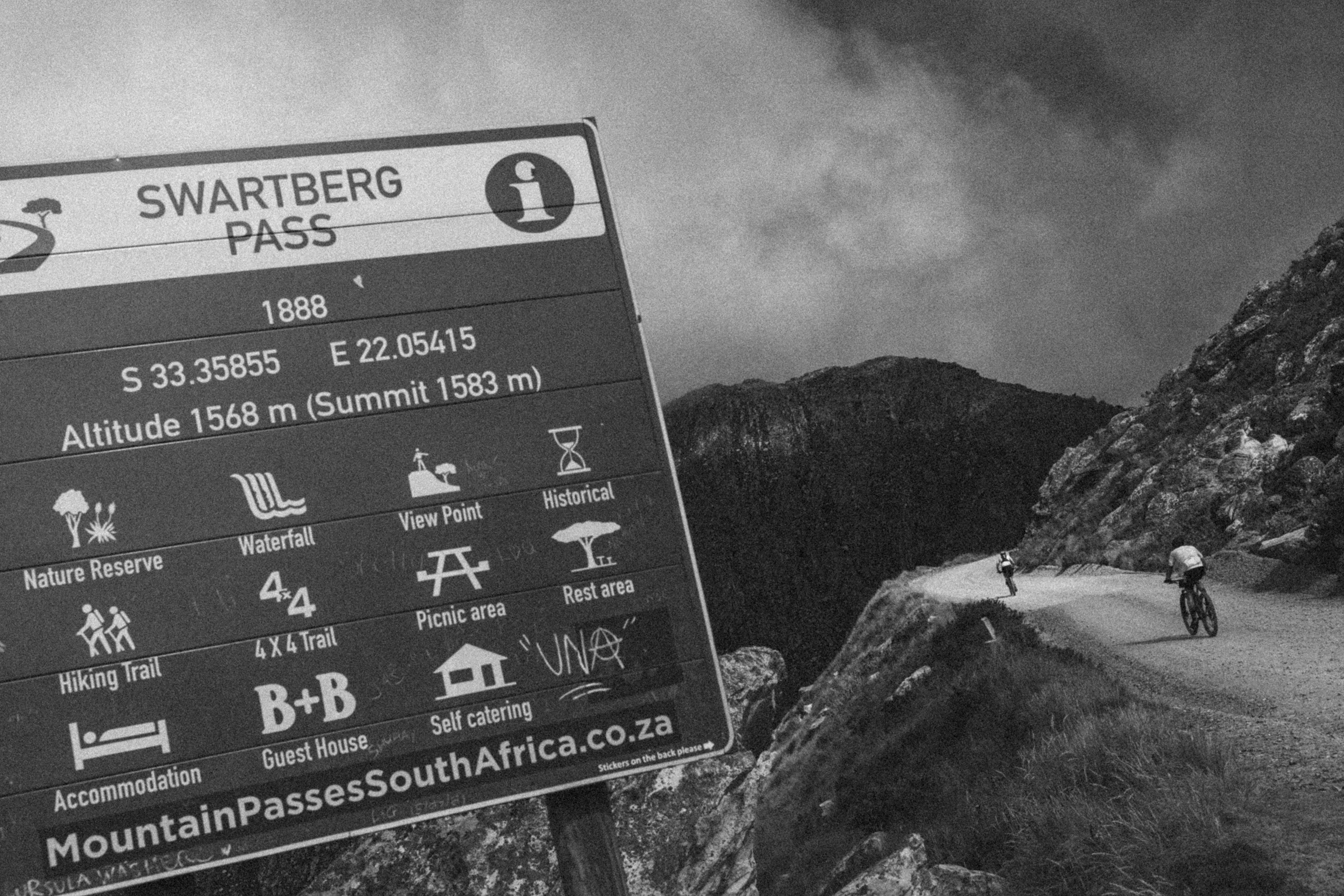
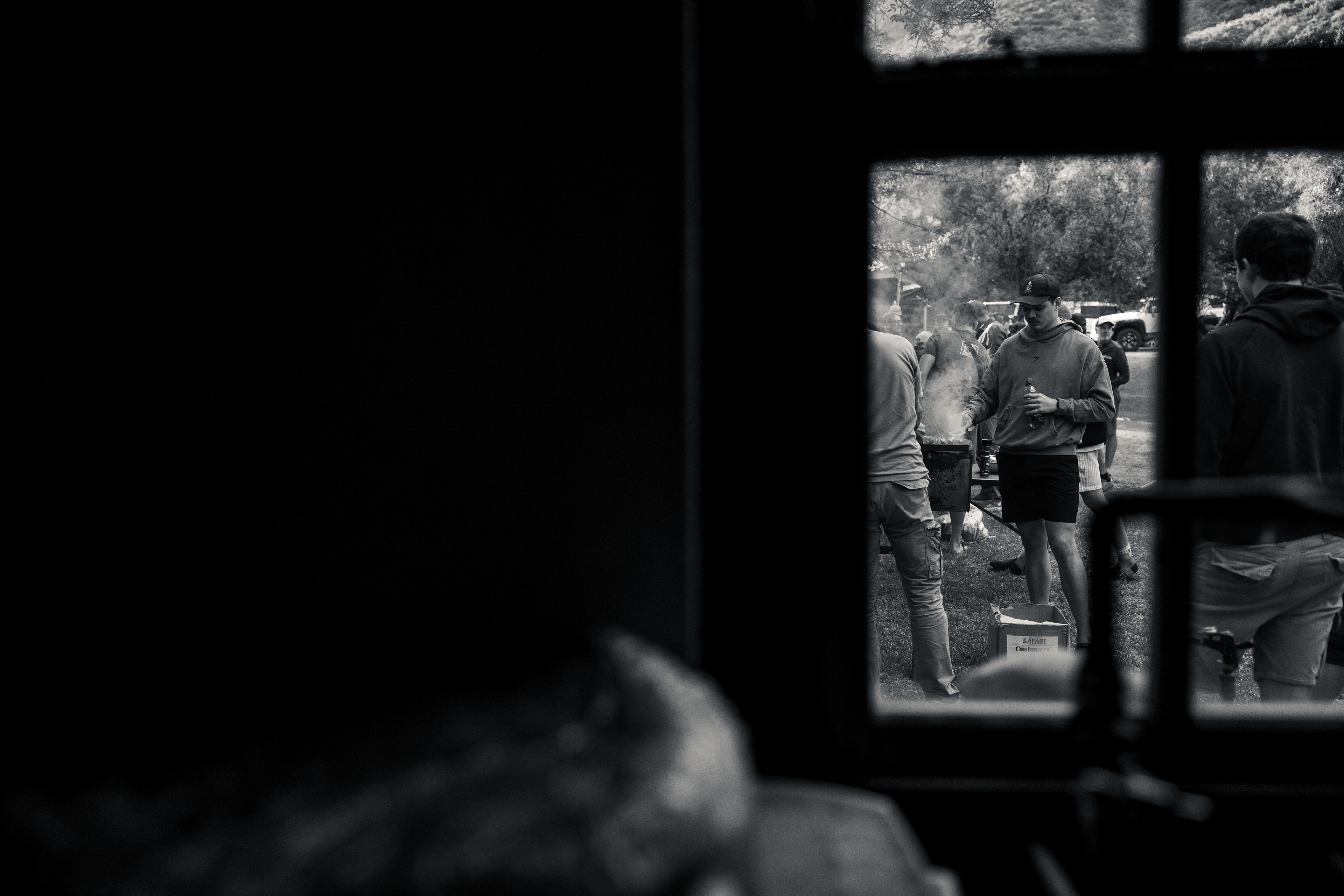
Some races look good on a calendar. Shooting To Hell and Back is not one of them. It’s not the kind of event you sign up for because it’s convenient or comfortable. It’s rough from the start, and everyone standing on that line knows it. There’s no loud hype or forced excitement. It’s quieter than that. More focused. Almost like the riders are already halfway into the race in their heads, thinking about what’s coming, knowing it’s going to hurt, but choosing it anyway. As someone behind the camera, you feel that immediately. You’re not there to capture a polished event. You’re there to follow people into something real.
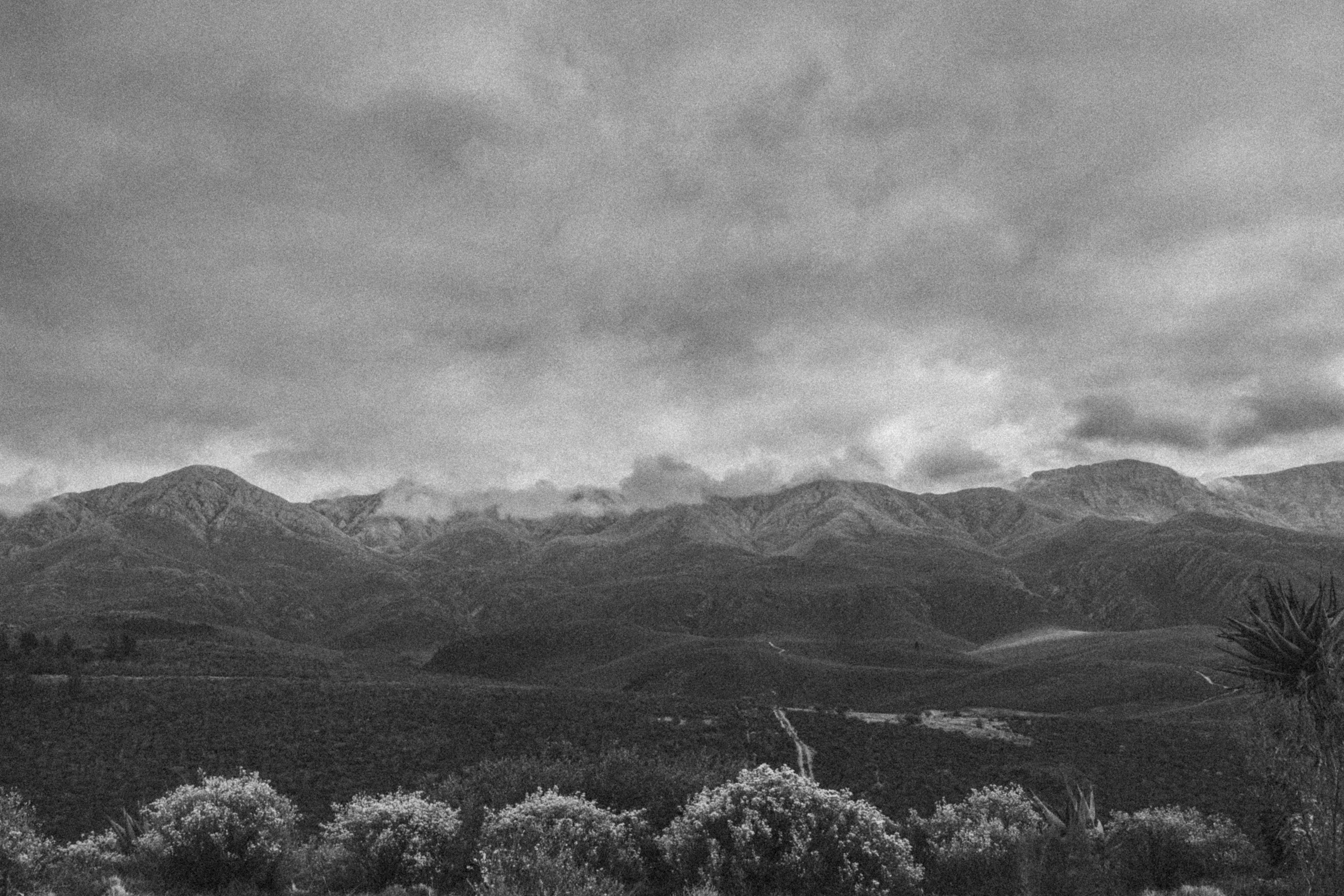
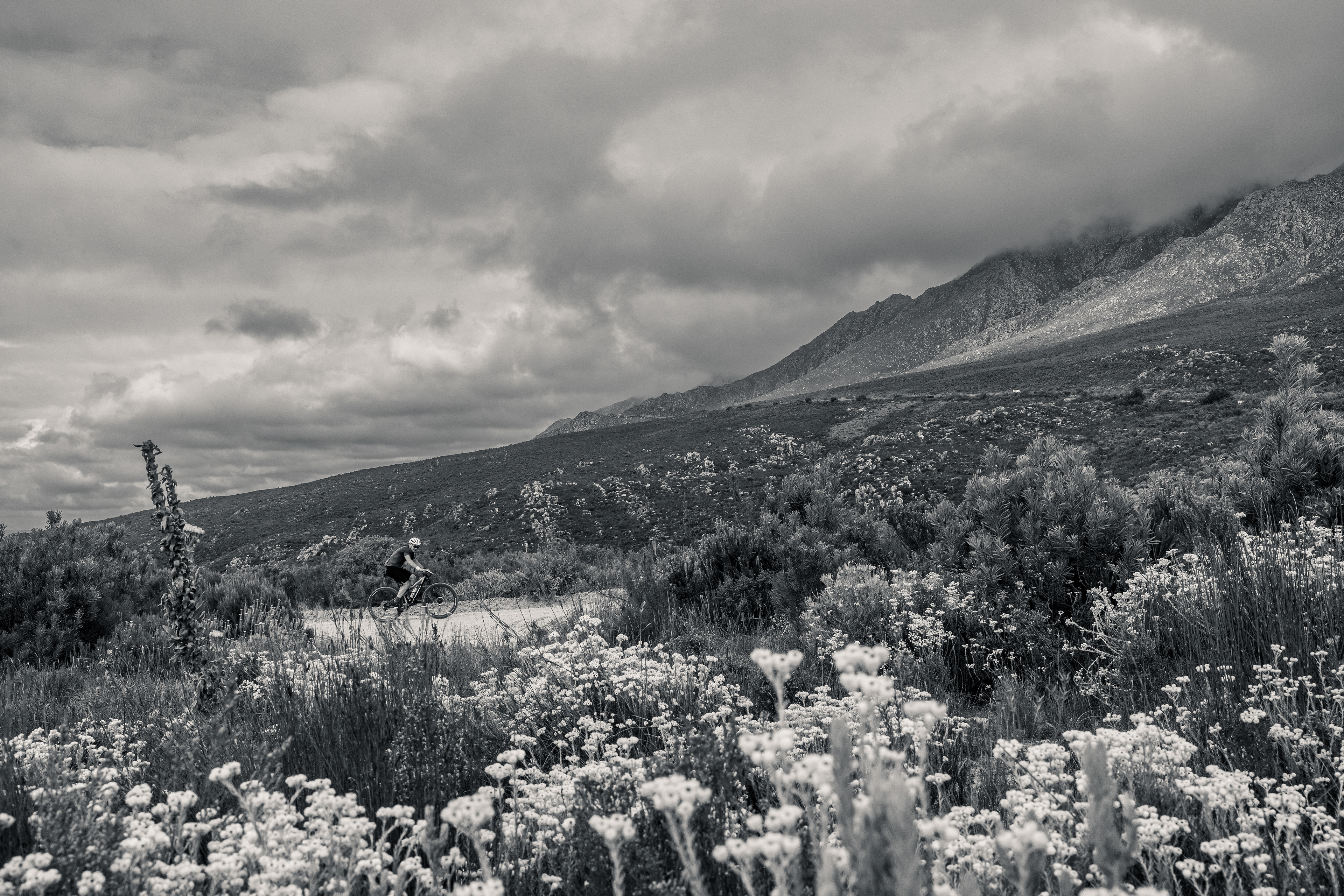
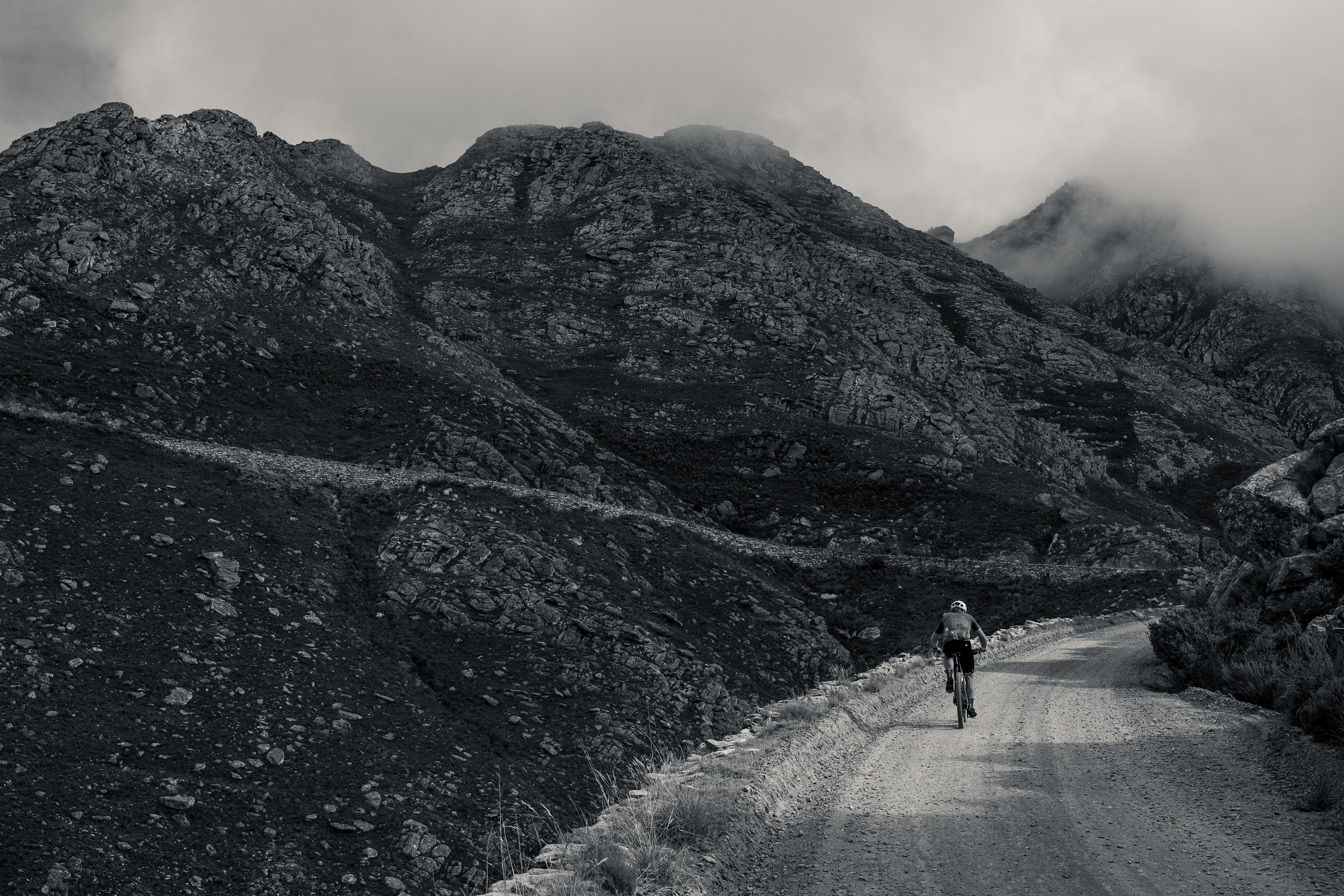
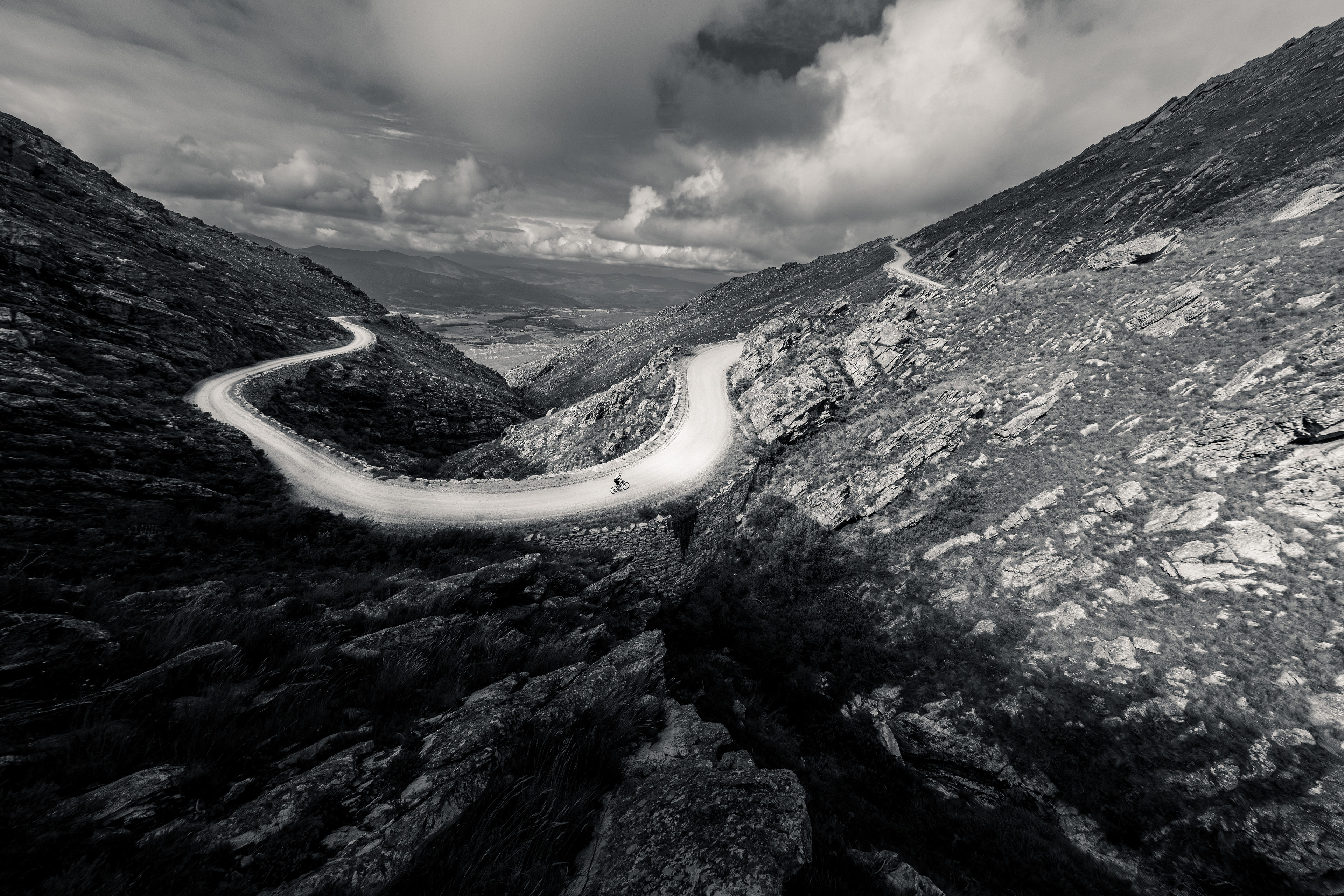
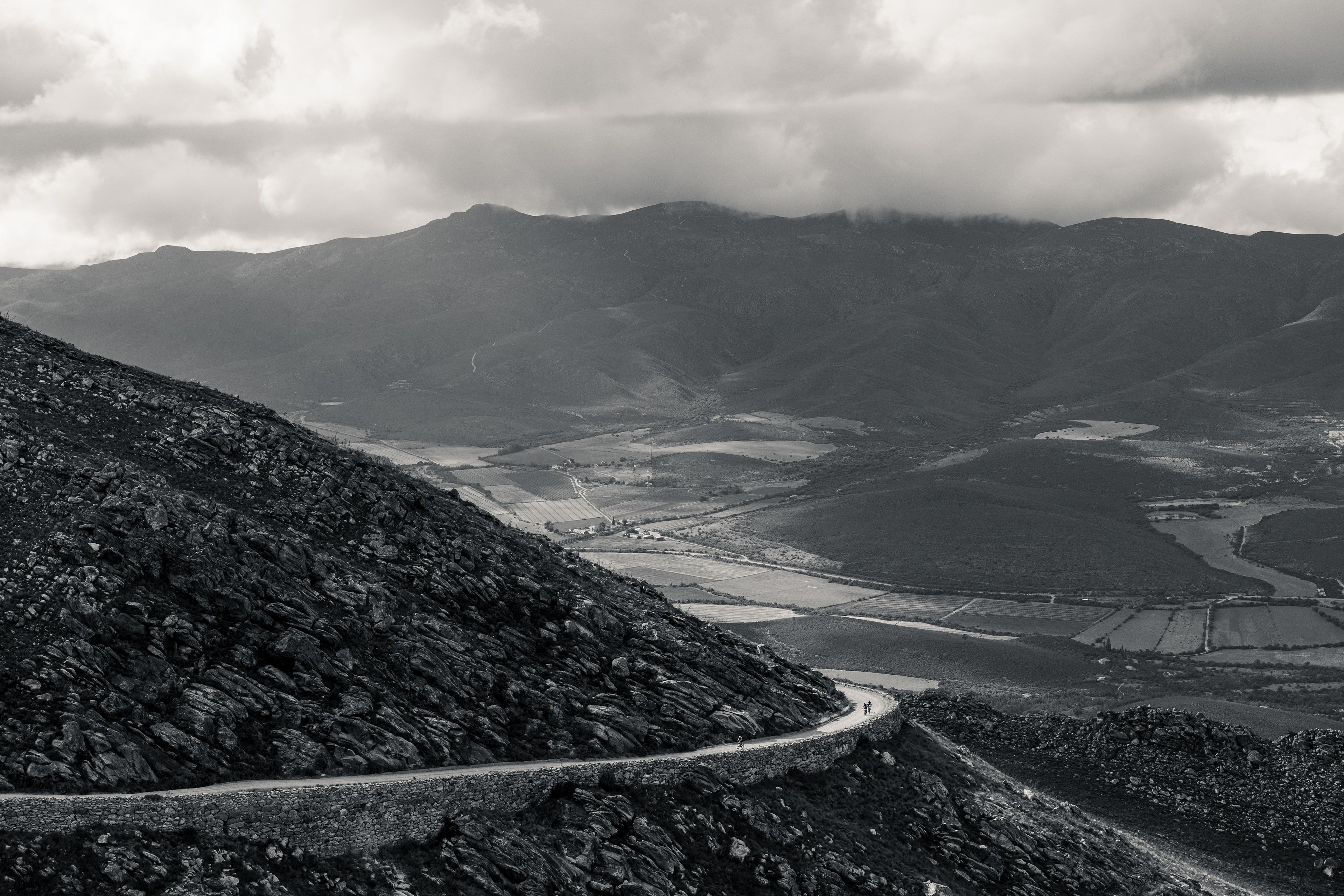
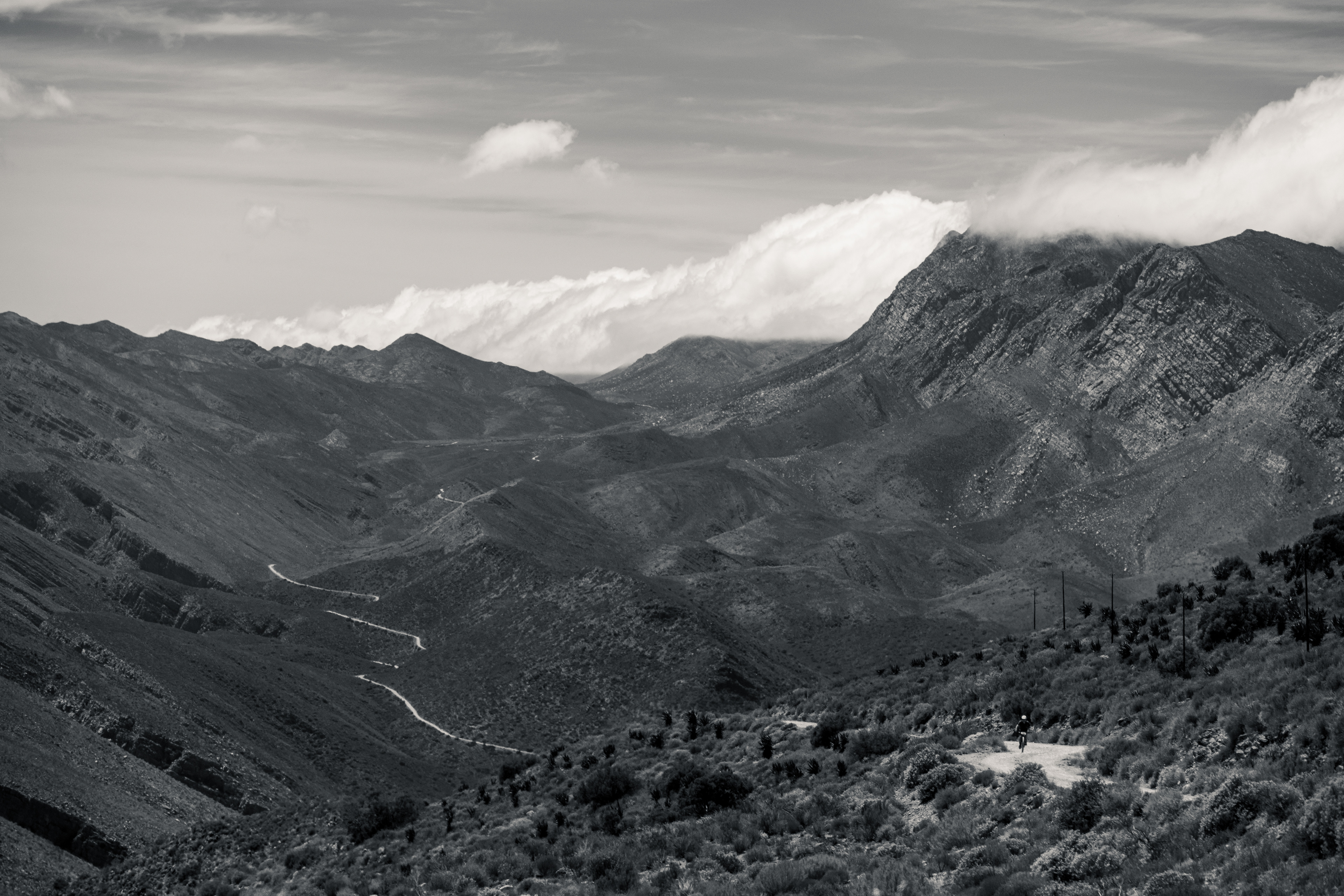
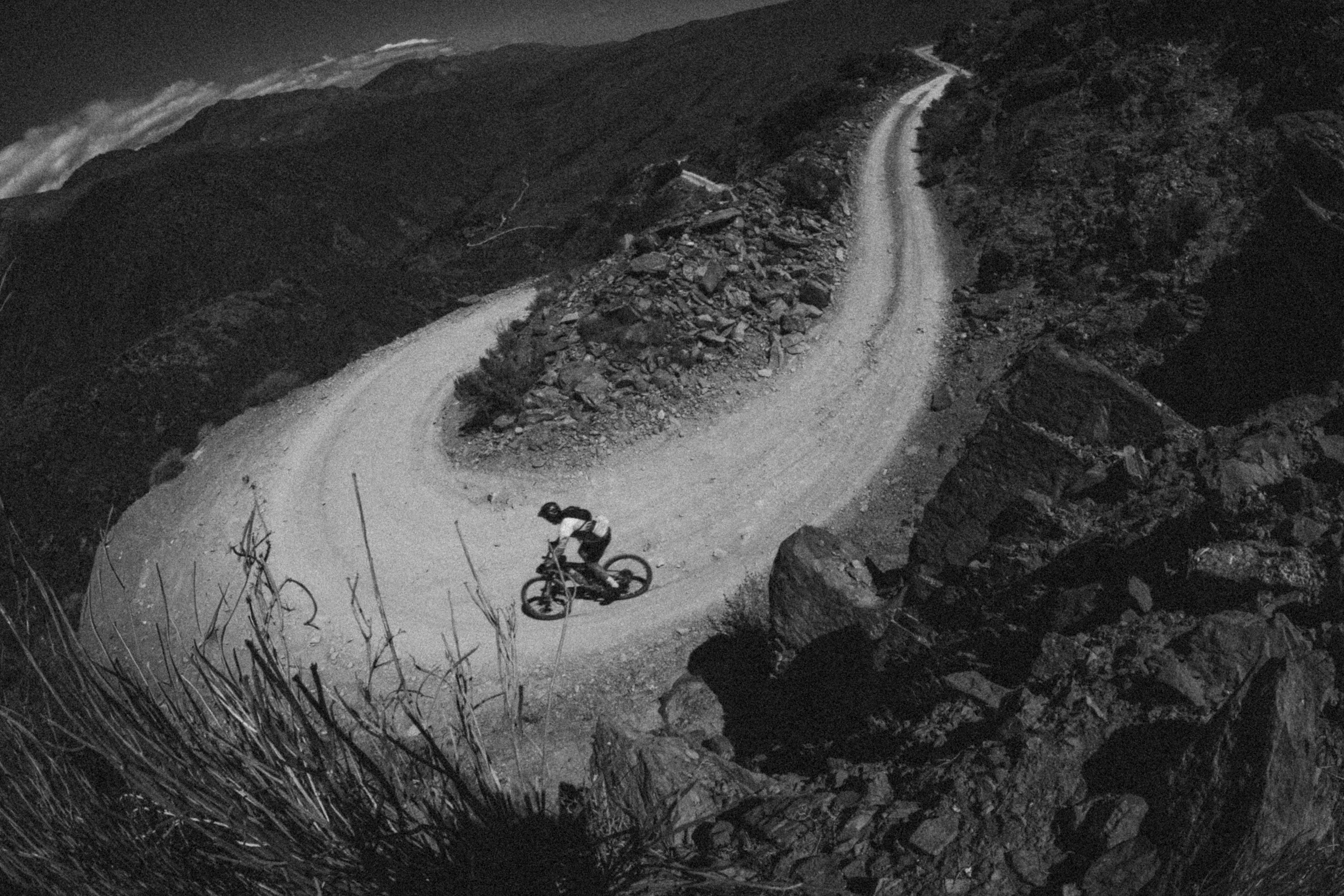
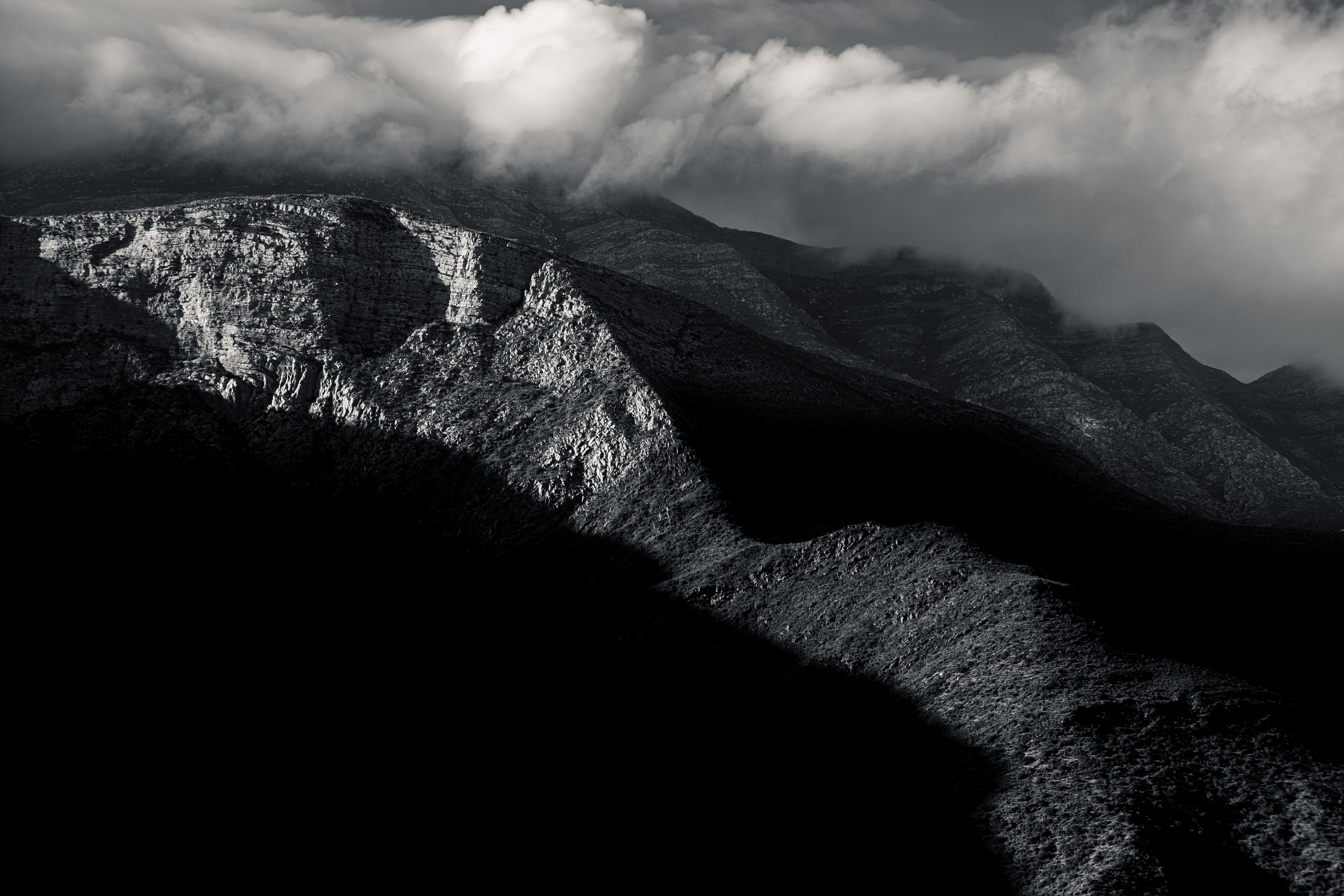
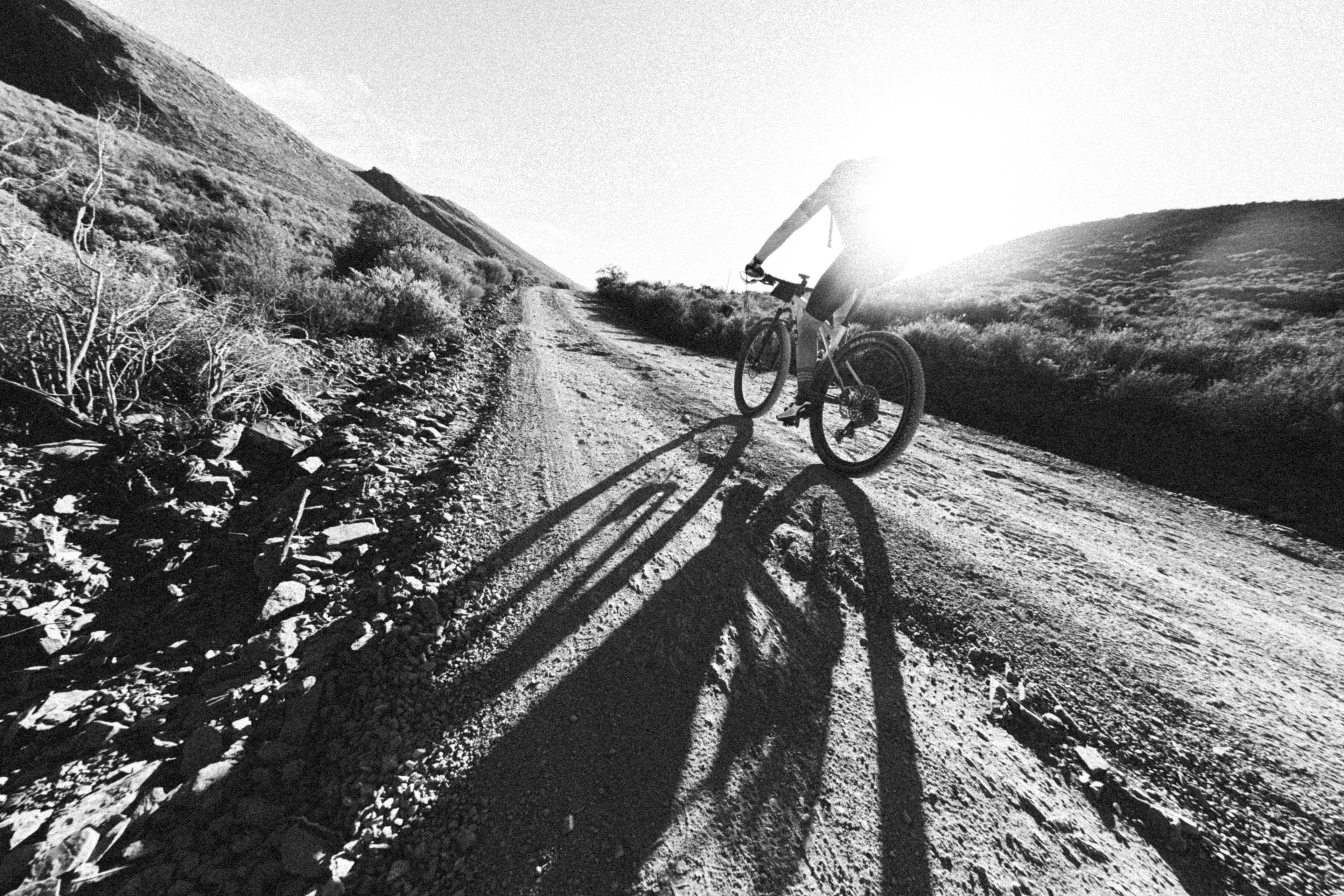
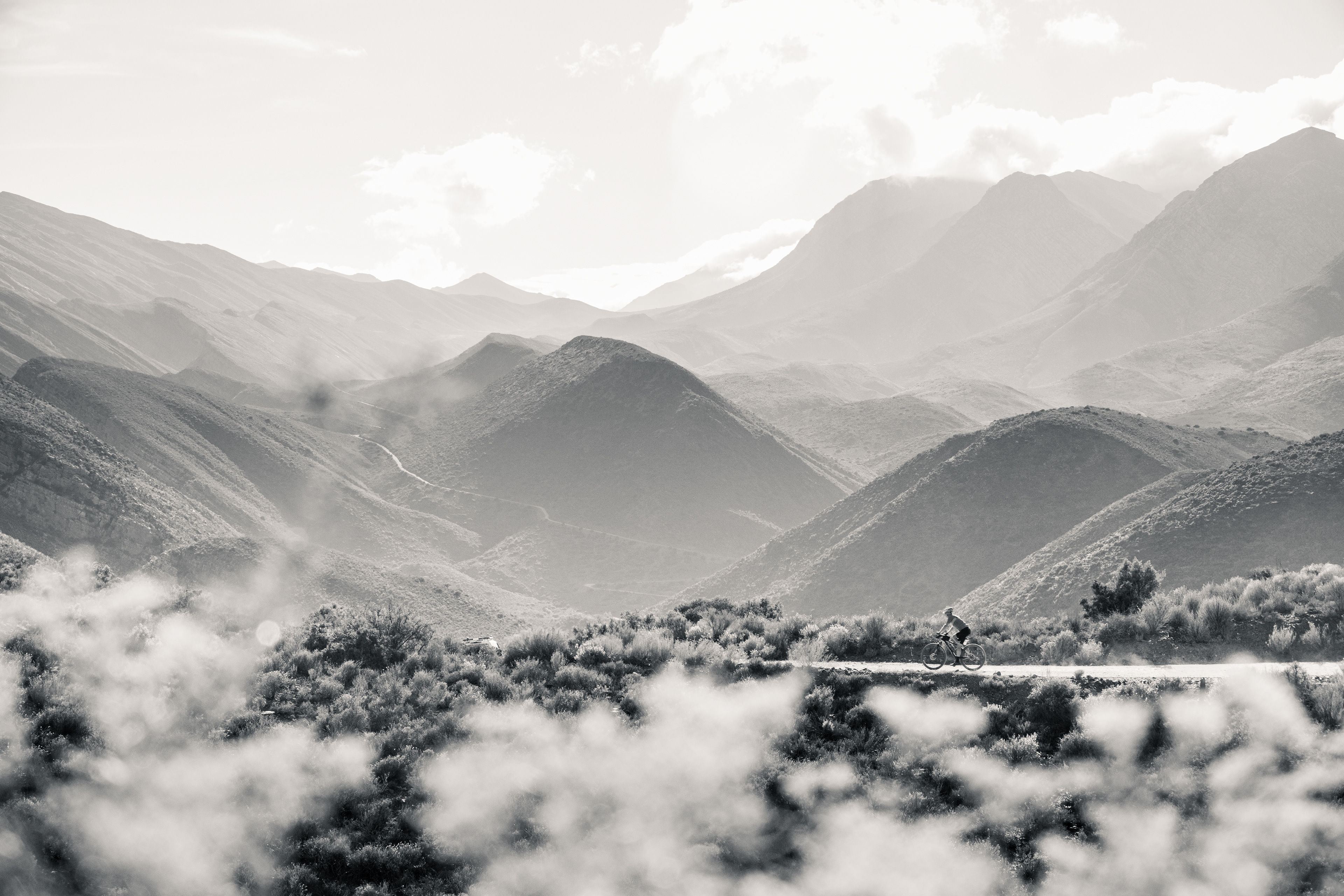
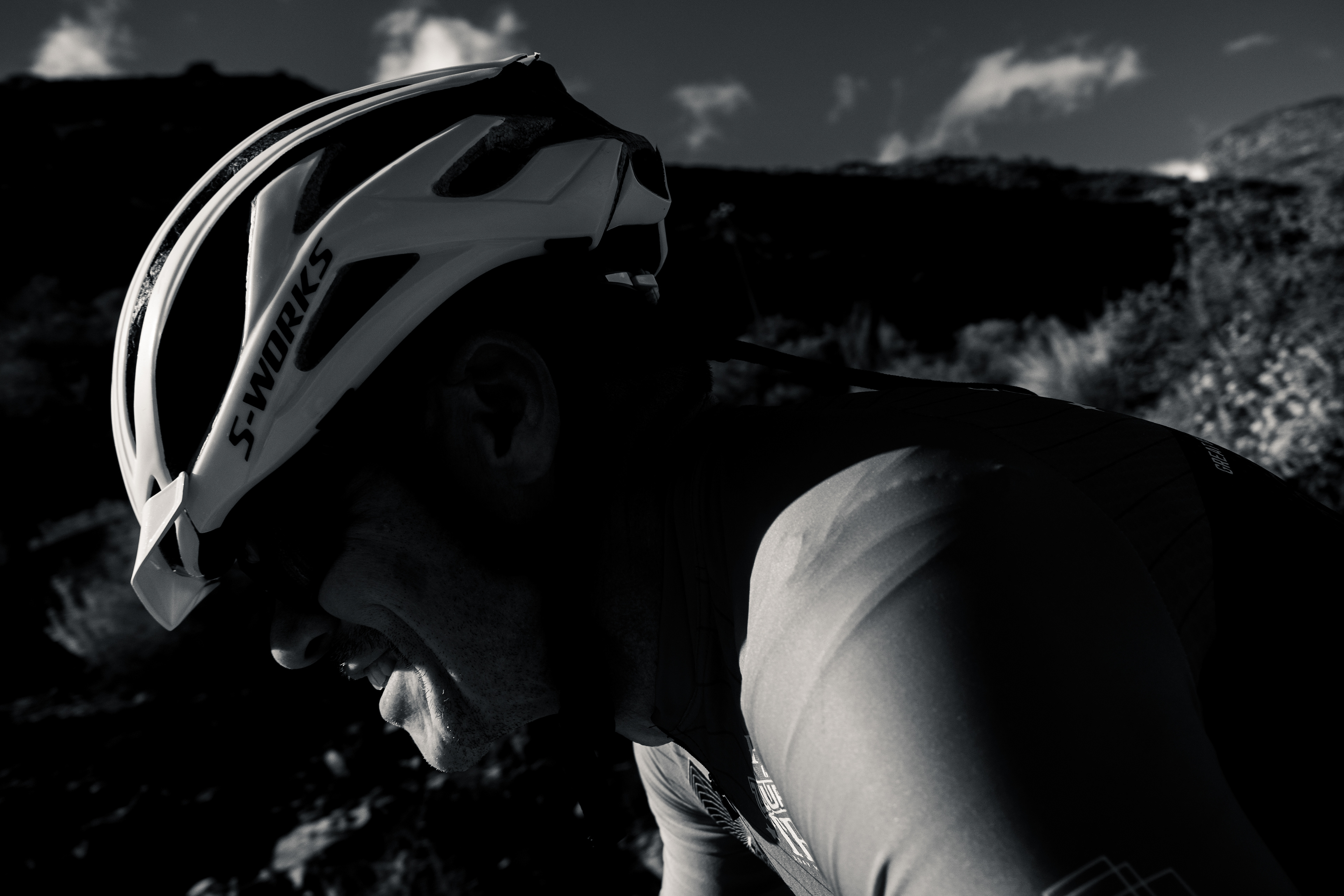
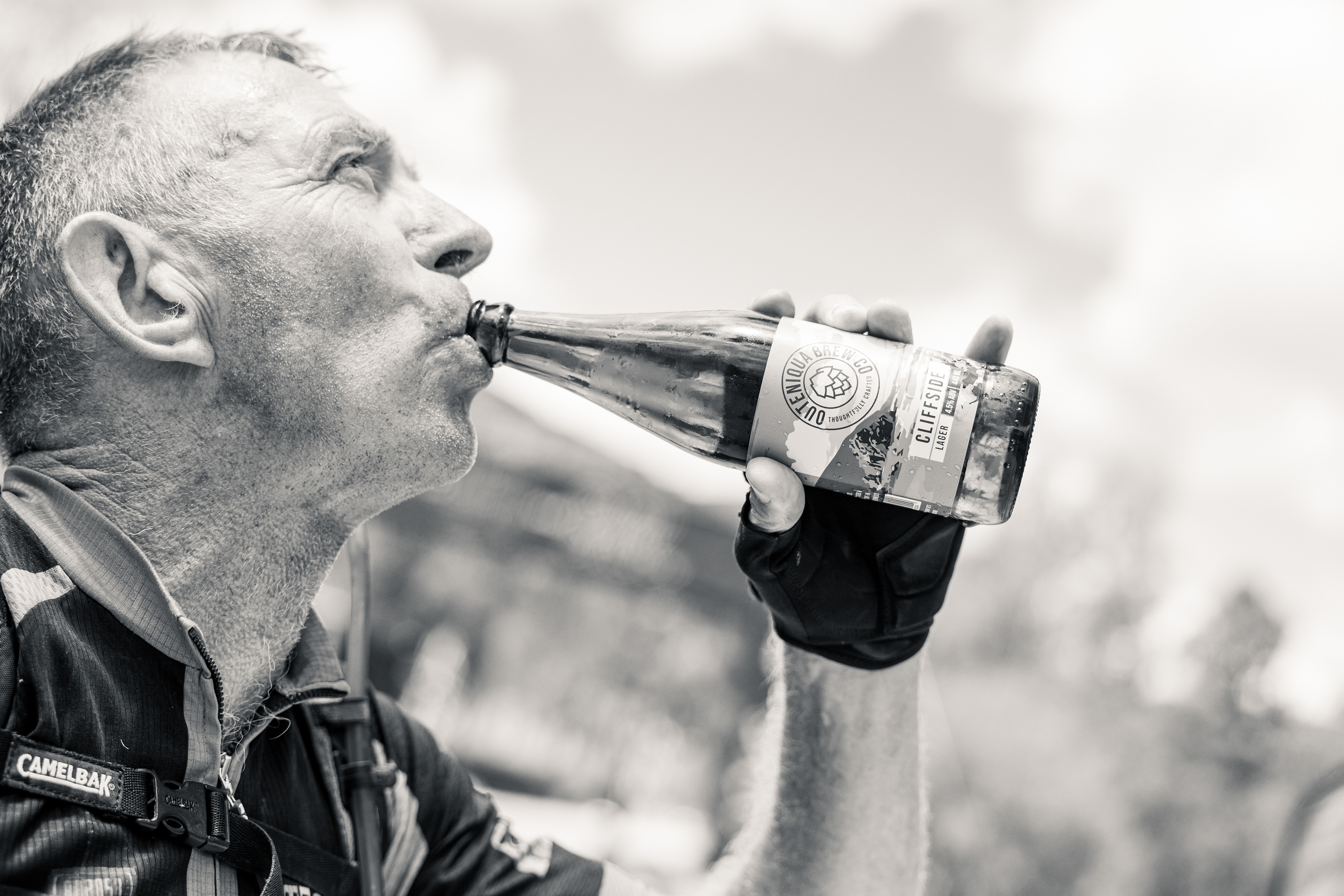
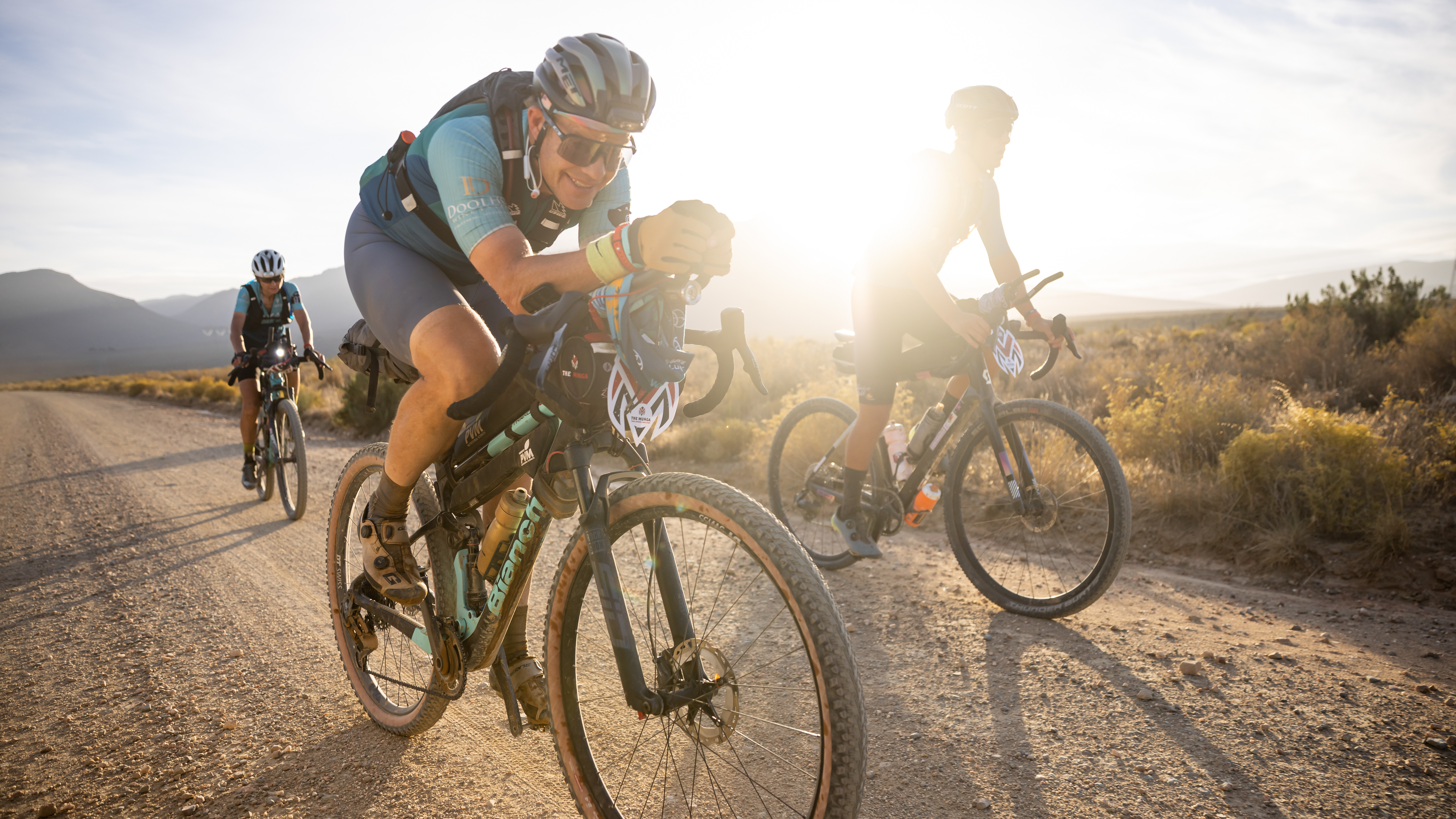
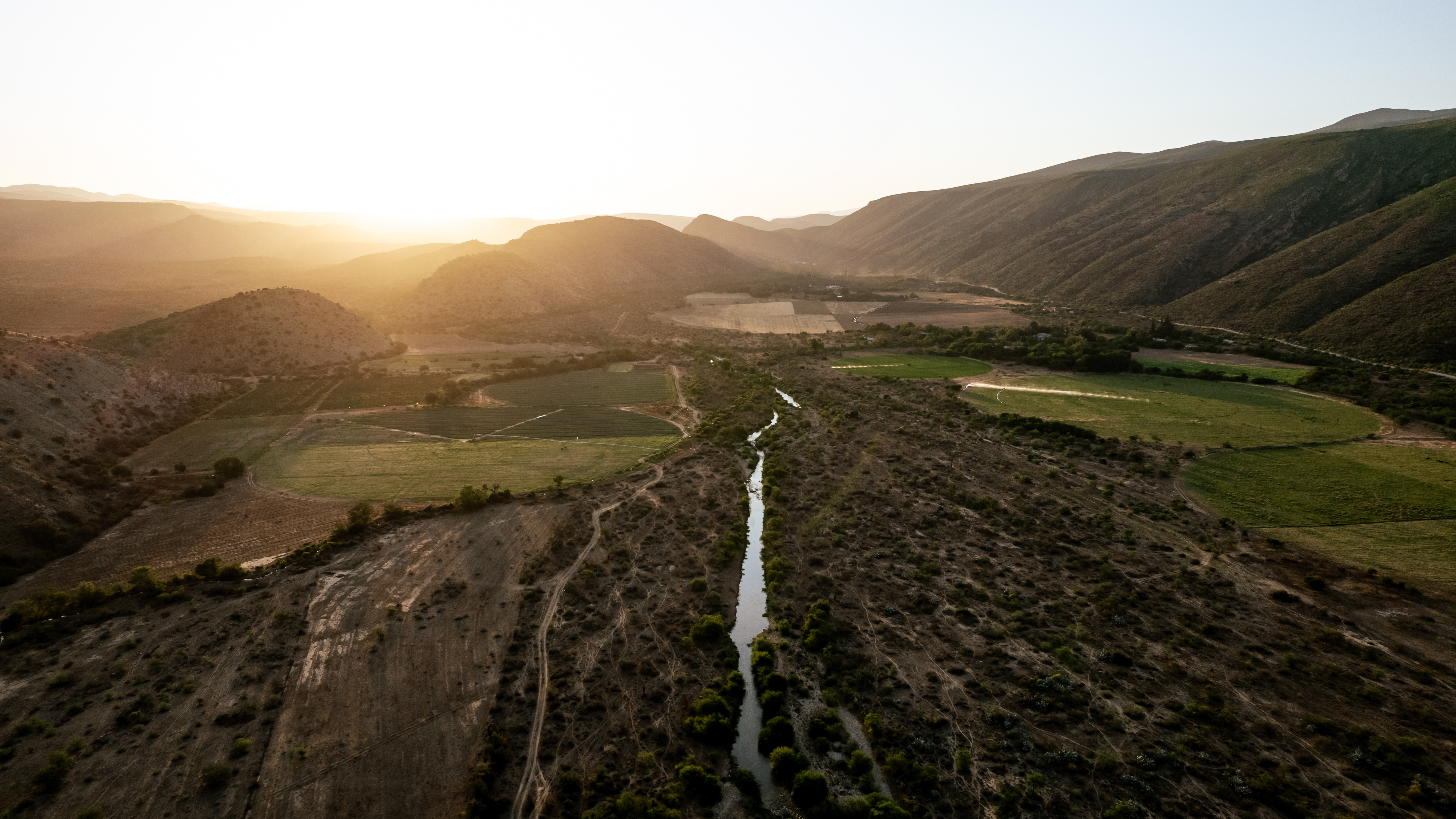
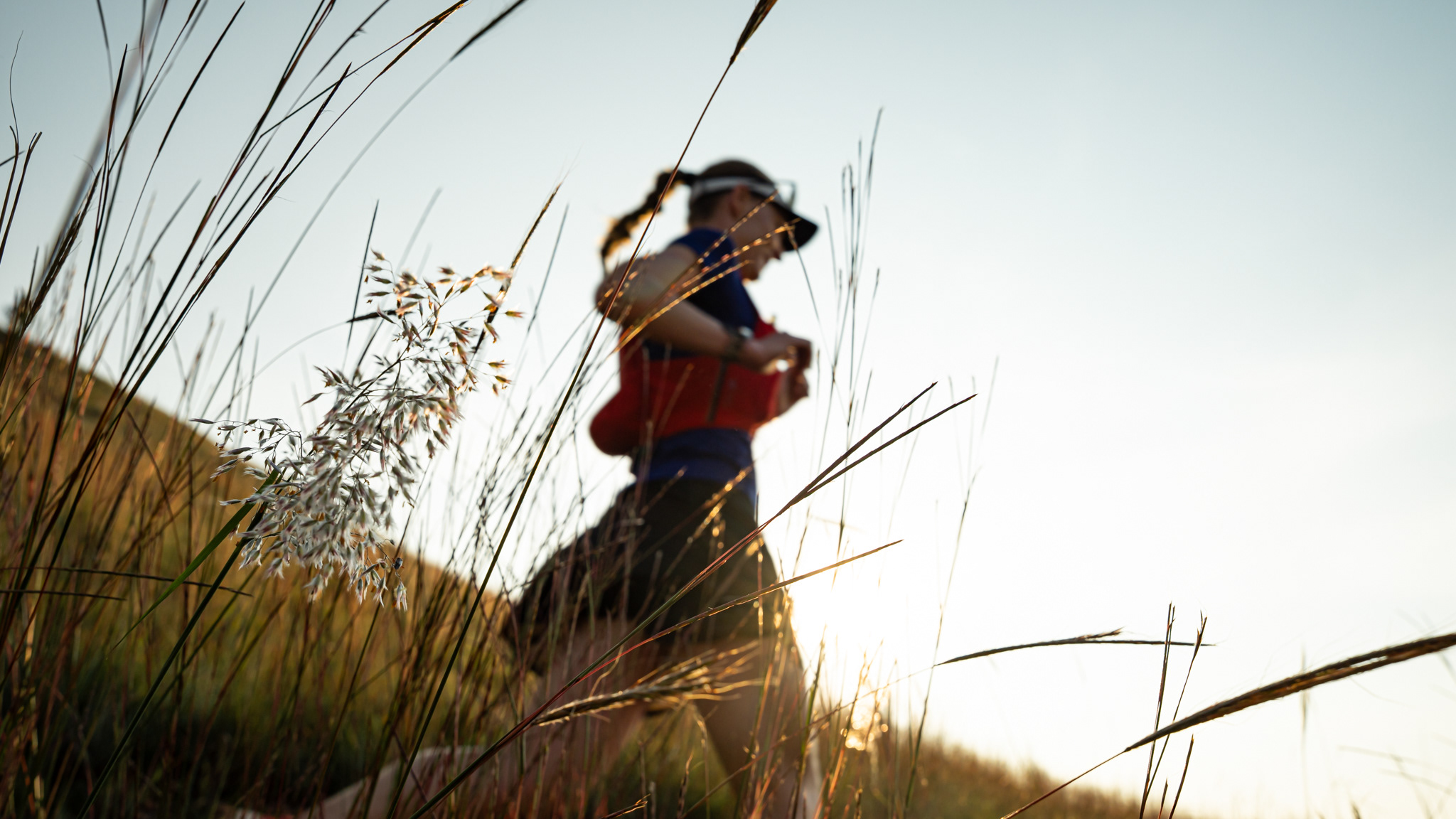
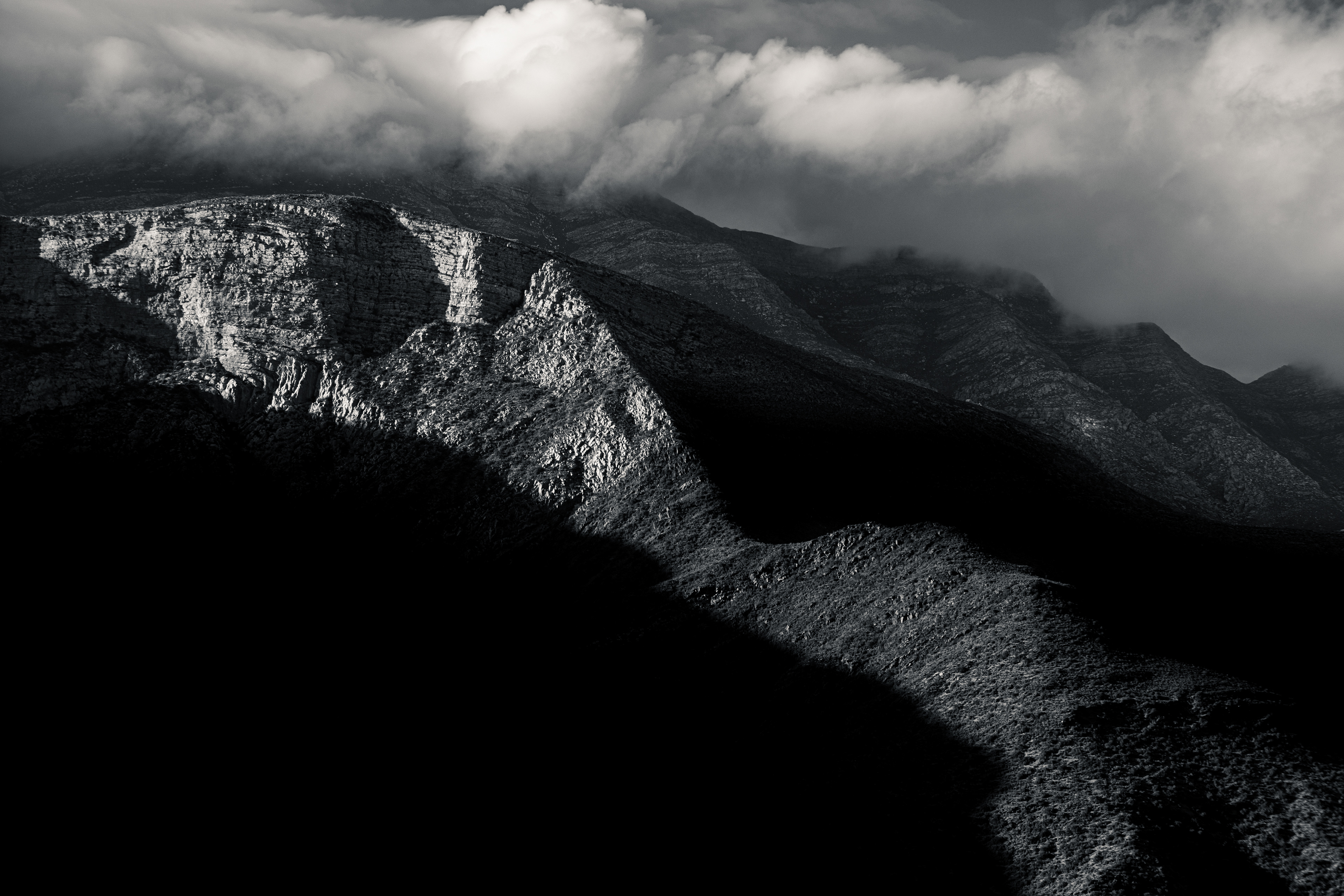
Out on the course, the mountain takes over quickly. Whatever plan you had for shooting gets adjusted within the first hour. The light shifts, the dust hangs in the air longer than you expect, and the terrain decides where you can and cannot go. You start working around it instead of trying to control it. That’s when the story starts revealing itself. A rider grinding up a climb that just keeps going, shoulders rocking, breathing heavy, but not stopping. Another stepping off the bike for a moment, hands on knees, not defeated, just taking a second before pushing on again. Those are the moments you look for. Not because they’re dramatic, but because they’re honest.
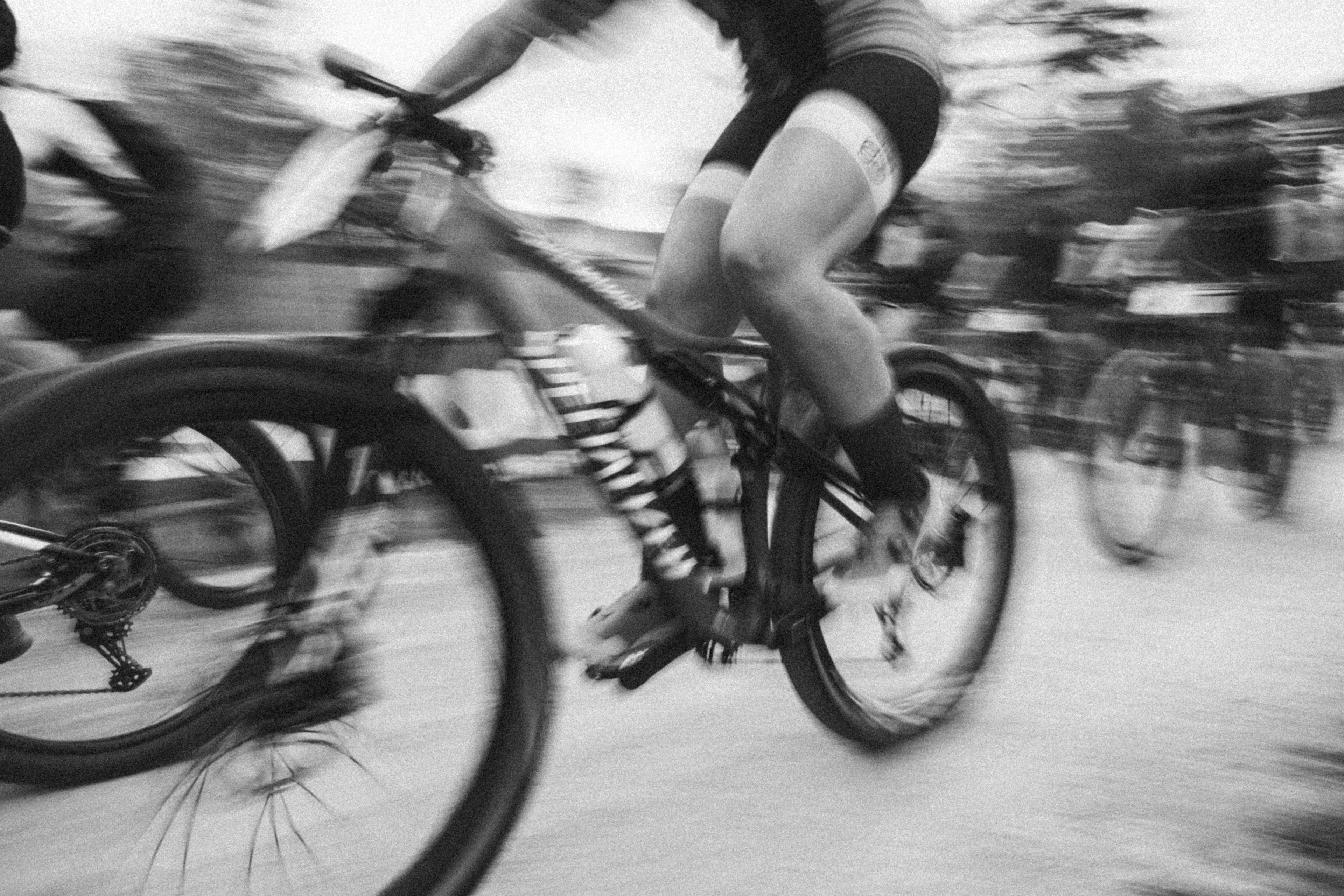
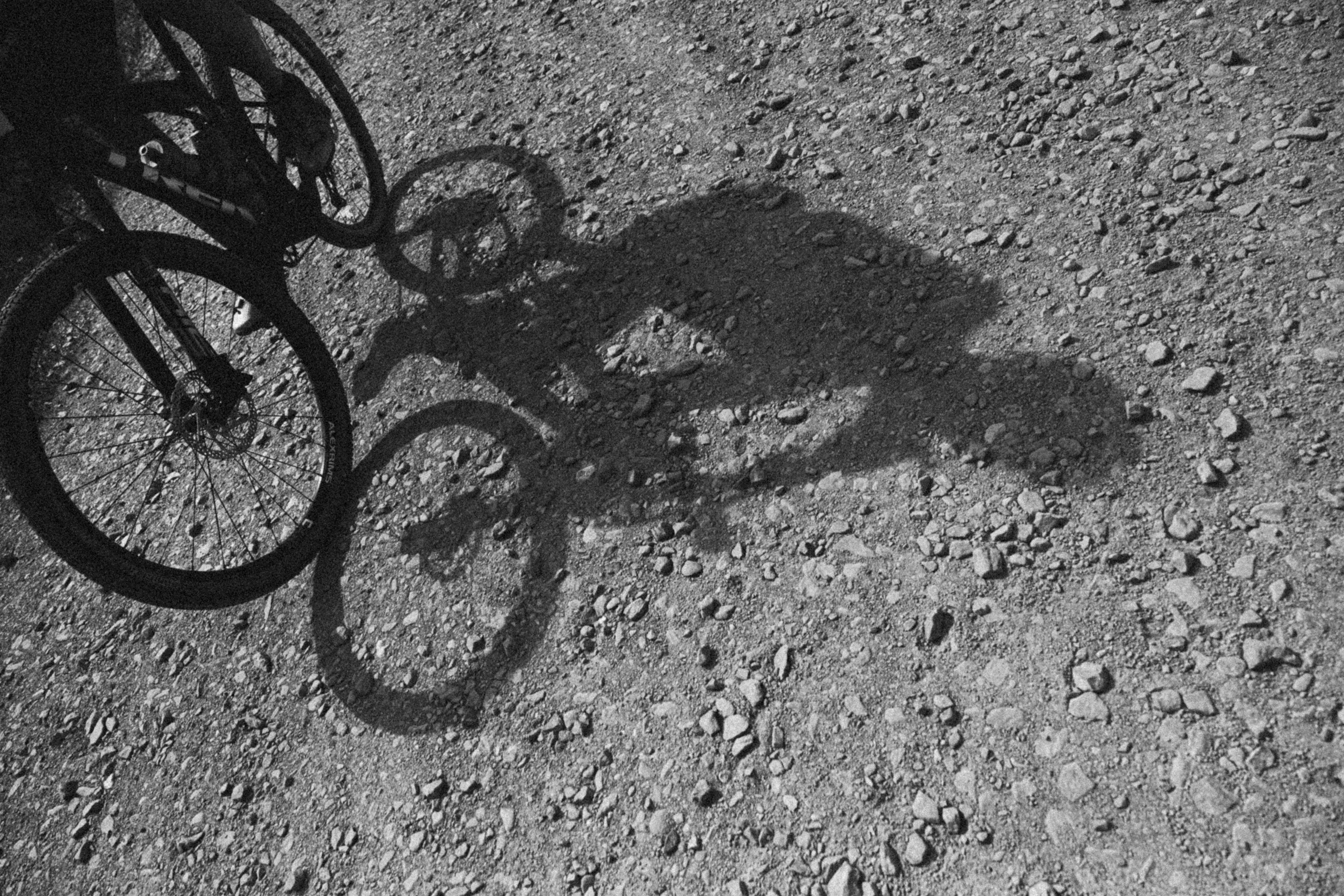
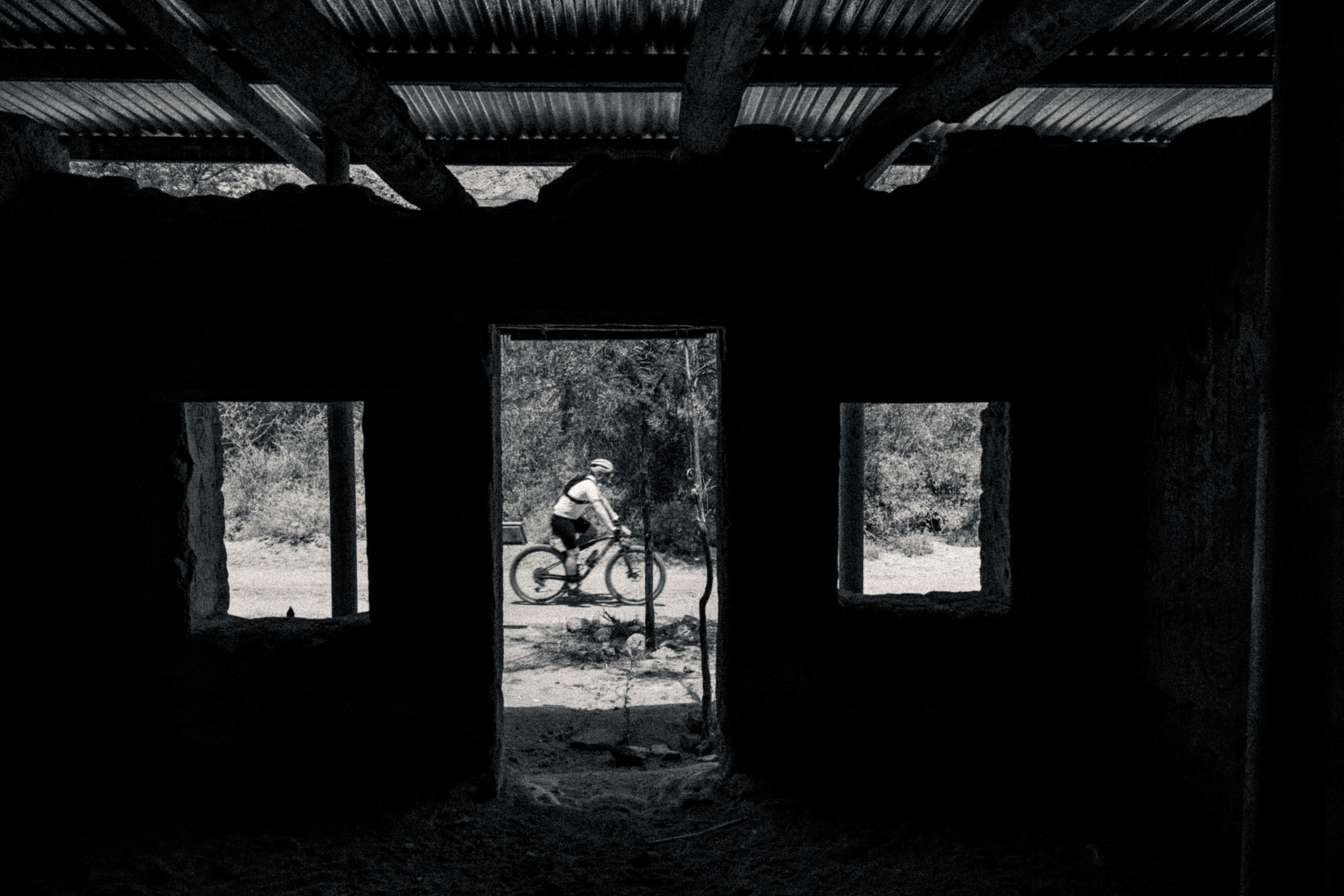
There’s this idea that filming something like a mountain bike race is about getting the cleanest, most cinematic shots possible. The truth is, the best footage out there is rarely perfect. It’s slightly rushed, sometimes a bit shaky, often captured while you’re repositioning or reacting instead of setting up. You hear the riders before you see them, tyres on gravel, chains under tension, breathing that gets louder as they get closer. You lift the camera and trust your instinct. A glance between riders. A quiet nod. Someone digging deeper than they thought they could. Those moments don’t wait for you to be ready.
Shooting a race like this is physical in its own way. You’re moving constantly, climbing ahead of the riders, carrying gear over terrain that doesn’t make it easy, watching the time because once they pass, that moment is gone. There’s no reset, no second take. You miss it, and it lives only in that rider’s experience. So you learn to anticipate, to read the flow of the race, to trust that being present in the right places matters more than trying to force every shot.
At its core, that’s why races like Shooting To Hell and Back matter to us at Reblex. It’s not about building a highlight reel that looks good for a few seconds. It’s about capturing something that people can feel. There’s no pretending out there. The riders are exactly who they are when things get tough, and that’s where the real story sits. It’s in the effort that doesn’t get seen by crowds, in the quiet stretches where it’s just the rider and the trail, in the decision to keep going when stopping would be easier.
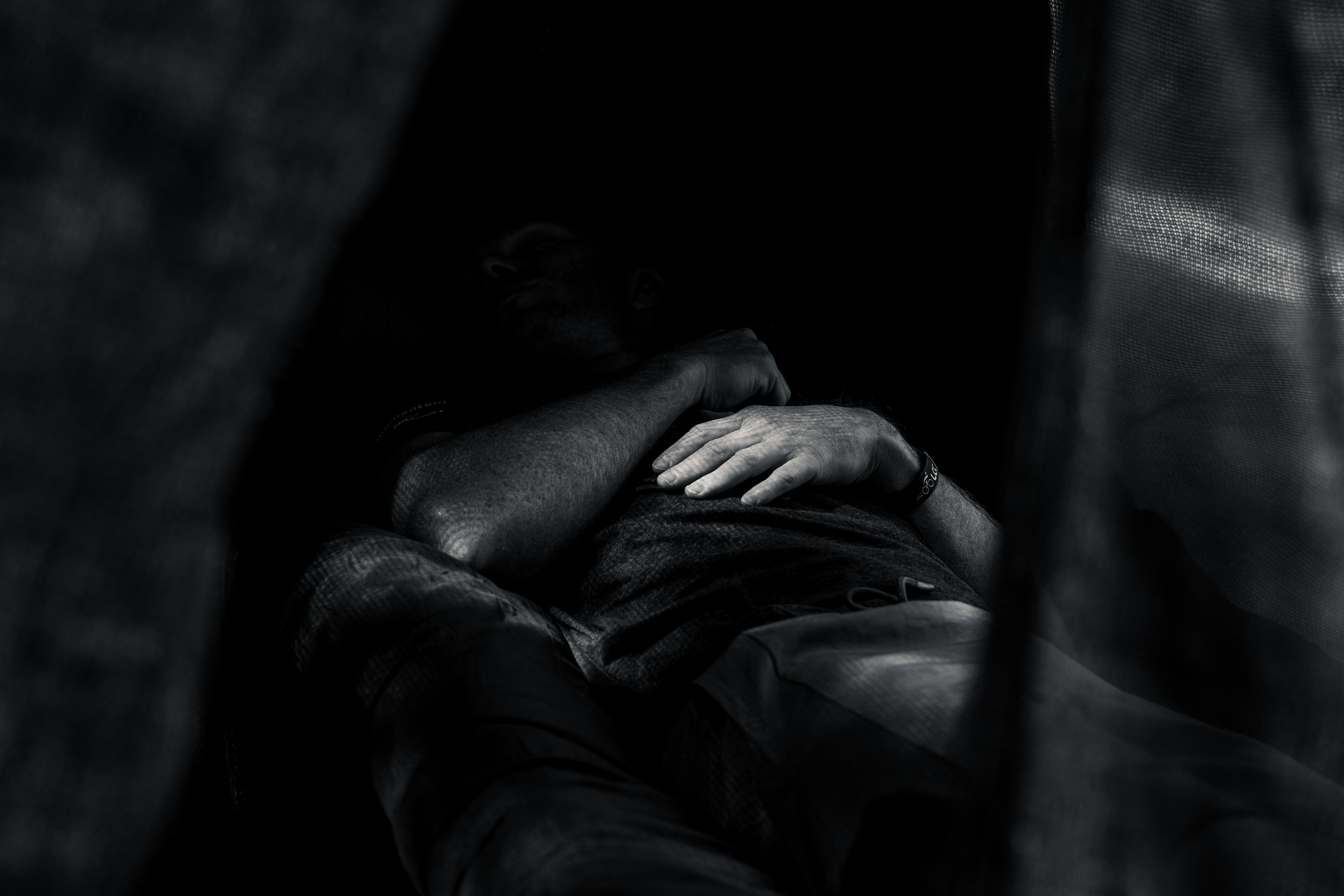
What stays with you after a day like that isn’t one big moment. It’s a collection of small ones. The way the early light cuts through the dust. The silence between sections. The look on someone’s face when they realise they’re going to make it through a section they doubted. Those are the pieces that build the full picture, and those are the ones worth holding onto.
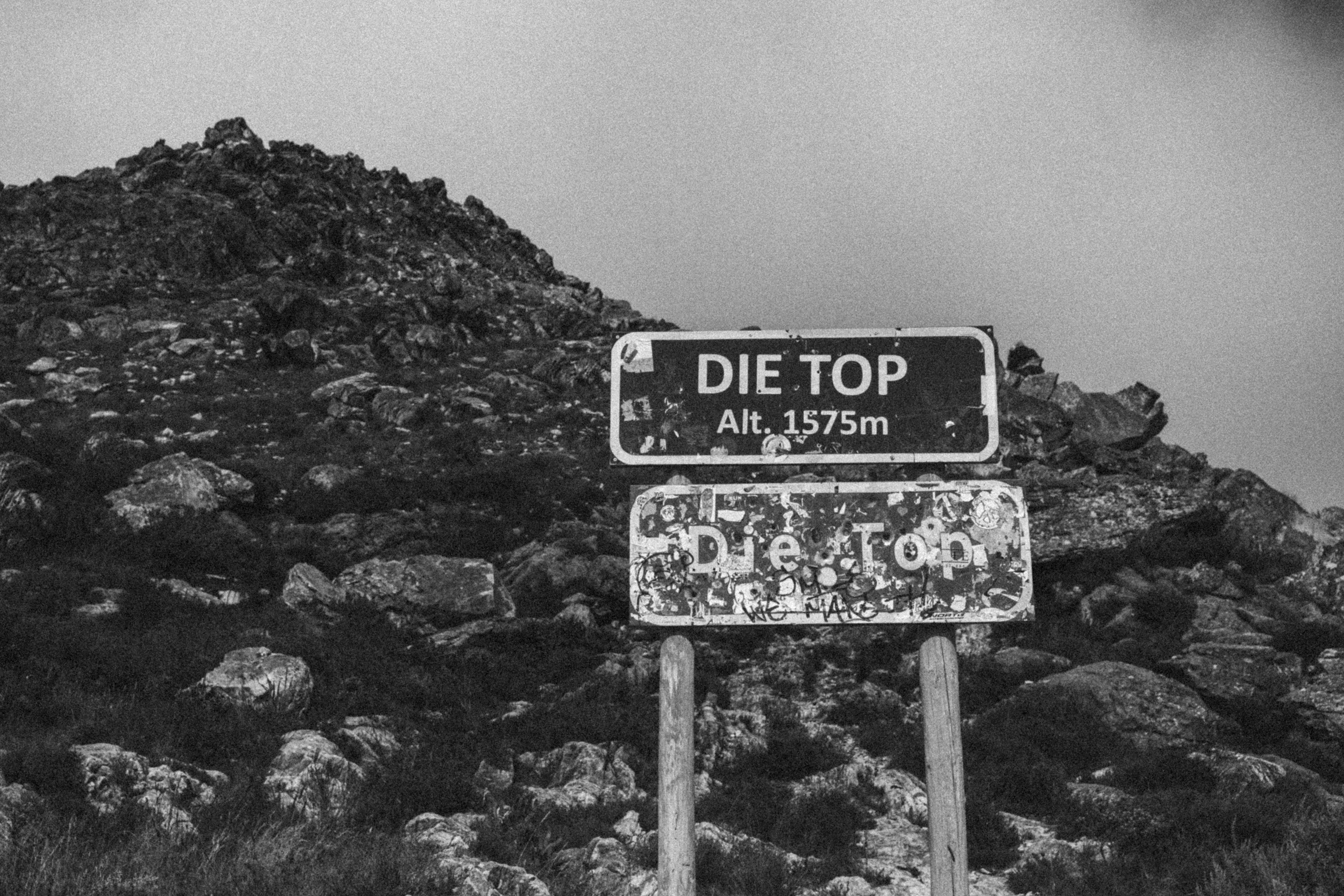
Shooting To Hell and Back lives up to its name, but not in a dramatic, over-the-top way. It’s tough in a quiet, consistent way that never lets up. And if you let it, it gives you something real in return. Not perfect shots, not staged moments, but something far better. Something honest. And in the end, that’s the kind of story worth telling.